
It was a Sunday, and the aroma of a roast chicken was supposed to fill the house. Instead, a distinct, acrid smell wafted from the kitchen, quickly followed by a plume of smoke. I rushed in, heart in my throat, to find my oven in distress. The chicken was charred on the outside, raw inside, and the oven itself was spewing smoke. This wasn’t the first time I’d had an oven-related crisis, and each incident always reminded me how easy it is to neglect this hardworking appliance. It made me realize how much we rely on our ovens, and how little we often think about their care.
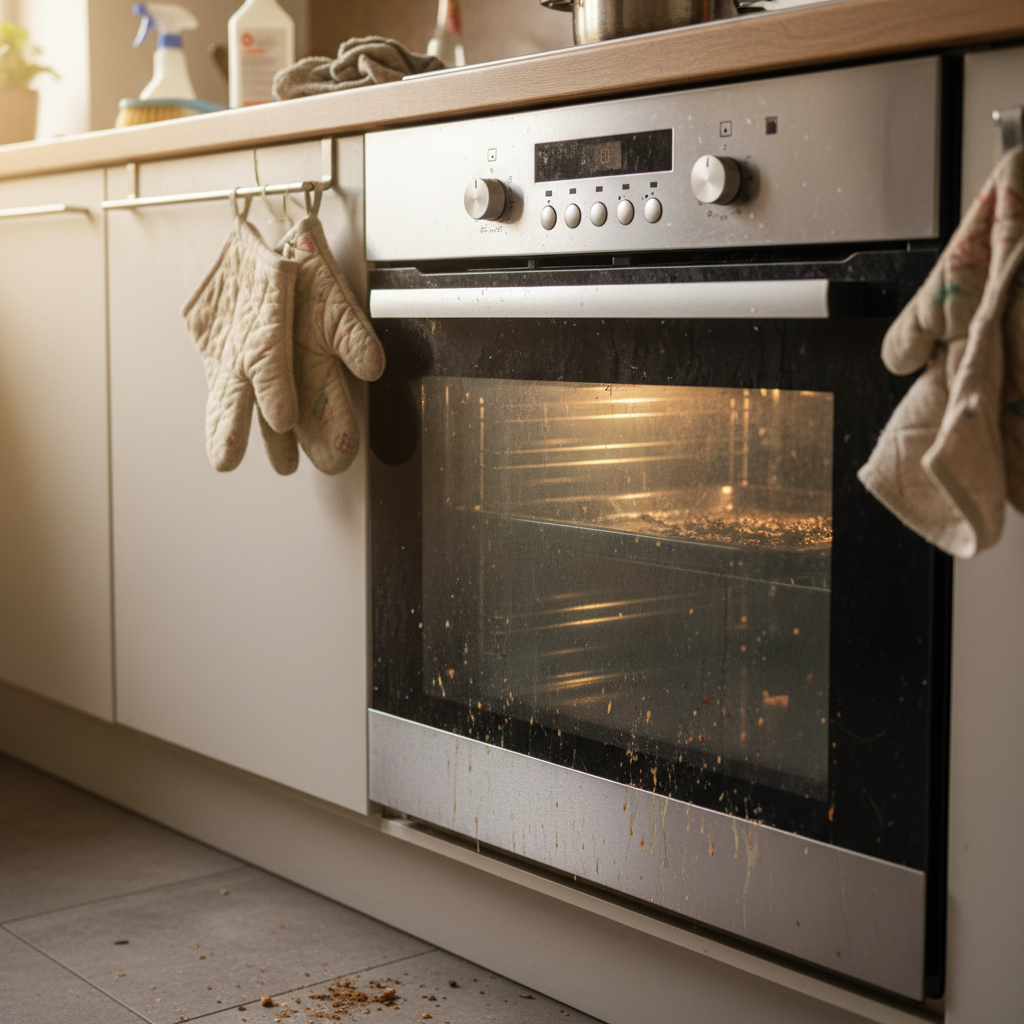
Why Your Oven Needs Love (and Regular Check-Ups)
Think about it: how often do you use your oven? For many of us, it’s a daily workhorse, baking, broiling, and roasting our meals. Yet, we tend to treat it as a “set it and forget it” appliance. We toss in food, set the temperature, and expect perfection. But, like any machine, your oven needs regular care to function at its best and last for years.
The most common reason for oven issues boils down to a few key culprits:
* **Food spills:** That bubbling lasagna, the overflowing apple pie – they all leave behind residue.
* **Grease buildup:** Fats and oils from cooking splatter, burn, and become increasingly difficult to remove.
* **Lack of cleaning:** Over time, these messes accumulate, leading to smoke, odors, uneven heating, and potential hazards.
Common Mistakes We Make (And How to Fix Them)
We all make mistakes, especially when we’re busy. Here are some of the most common oven-care blunders and how to correct them:
### 1. The “Set It and Forget It” Approach
We’re all guilty of this. We pop something in the oven and walk away, assuming everything will be fine. But, without a glance, you might not notice a spill or a developing problem.
* **Mistake:** Not checking on the food, especially during the last half of the cooking time.
* **Solution:** Set a timer and peek. If something’s bubbling over, address it immediately.
### 2. Ignoring the Smoke Signals
Smoke is a clear indication that something is wrong. Don’t ignore it.
* **Mistake:** Assuming the smoke will disappear.
* **Solution:** Immediately turn off the oven and assess the situation. Is it a minor spill? Or is something burning? Investigate and clean up the mess as soon as the oven cools down.
### 3. Skimping on Cleaning
Cleaning the oven is a chore, but skipping it leads to bigger problems down the road.
* **Mistake:** Delaying cleaning until the mess is overwhelming.
* **Solution:** Clean your oven regularly. Wipe up spills immediately, and deep clean at least every few months.
### 4. Over-Relying on the Self-Cleaning Feature
Self-cleaning is a convenient option, but overuse can lead to premature wear and tear.
* **Mistake:** Using the self-cleaning cycle too often.
* **Solution:** Use the self-cleaning feature sparingly, following your oven’s manual. A good rule of thumb is every 2-3 months.
### 5. Using the Wrong Cleaners
Harsh chemicals can damage your oven’s finish and heating elements.
* **Mistake:** Using abrasive cleaners or those not designed for ovens.
* **Solution:** Stick to oven-safe cleaners or try a baking soda and water paste.
## Simple Maintenance & Care Tips: The Keys to a Happy Oven
Keeping your oven in top shape doesn’t require a lot of time or effort. Here’s a simple routine:
1. **Wipe Up Spills Immediately**: The sooner you address a spill, the easier it is to remove.
2. **Regular Deep Cleaning:** Aim for a thorough cleaning every few months.
3. **Inspect the Door Seal:** A worn-out gasket can cause heat loss.
4. **Ventilate When Self-Cleaning:** Open windows to prevent fumes from lingering in your home.
5. **Use Baking Sheets:** Line the bottom rack to catch spills.
## When to DIY vs. When to Call the Pros
Knowing when to tackle a problem yourself and when to call for professional help is crucial.
**DIY:**
* **Minor Spills:** Wipe them up when the oven is cool.
* **Surface Cleaning:** Use baking soda paste or a designated oven cleaner.
* **Replacing the Oven Light:** Usually, this is a simple bulb replacement.
**Call a Professional:**
* **Oven Doesn’t Heat:** This could be a heating element or thermostat issue.
* **Gas Leaks:** Never attempt to fix a gas leak yourself.
* **Electrical Problems:** If you suspect any electrical issues, call a qualified technician.
* **Self-Cleaning Cycle Problems:** If the self-cleaning feature malfunctions.
* **Strange Odors or Smoke:** Persistent unusual smells could indicate a serious issue.
## Seasonal Relevance: Your Oven in Summer, Monsoon, and Winter
Your oven’s needs might change slightly depending on the season:
* **Summer:** Avoid using the oven during the hottest parts of the day to keep your kitchen cool.
* **Monsoon:** Keep your oven clean and dry to prevent any moisture-related issues.
* **Winter:** You might use your oven more for baking and roasting, so pay extra attention to cleaning and maintenance.
## Long-Term Prevention Habits: Keeping Your Oven Running Smoothly
These habits will help you avoid major problems down the road:
* **Read the Manual:** Familiarize yourself with your oven’s features and maintenance recommendations.
* **Avoid Overloading:** Don’t overload the oven with too many dishes at once.
* **Use the Right Cookware:** Ensure your cookware is oven-safe.
* **Regular Inspections:** Check for any signs of wear, damage, or unusual behavior.
Frequently Asked Questions
Here are some common questions homeowners have about oven care:
**Q: How often should I clean my oven?**
A: Aim for a deep clean every 2-3 months, depending on how often you use it. Wipe up spills immediately after they happen.
**Q: Can I use harsh chemicals to clean my oven?**
A: It is best to avoid using abrasive cleaners, which can damage the oven’s finish.
**Q: What should I do if my oven isn’t heating?**
A: Check the heating elements for damage. If they look worn or cracked, they may need to be replaced. You can also check the thermostat by using an oven thermometer. If the oven still doesn’t heat up, contact a professional.
**Q: How do I use the self-cleaning feature safely?**
A: Follow the manufacturer’s instructions. Make sure your kitchen is well-ventilated, and remove any racks or accessories.
**Q: What should I do if food spills during cooking?**
A: Turn off the oven, let it cool completely, and wipe up the spill as soon as possible.
**Q: How can I prevent smoke from my oven?**
A: Clean your oven regularly to prevent food buildup. Use baking sheets or foil to catch spills and avoid overloading the oven.
**Q: Is it safe to leave my oven running unattended?**
A: It is generally safe to leave your oven running, but you should always monitor it, especially when using the self-cleaning feature. Be aware of any unusual smells or smoke.
Conclusion: The Oven Deserves Your Respect
Your oven is more than just a kitchen appliance; it’s a vital part of your home. By taking care of it, you’re not just ensuring your meals are cooked to perfection; you’re also preventing potential hazards and saving yourself money in the long run. So, next time you’re about to pop something in the oven, take a moment to appreciate this unsung hero. A little bit of care goes a long way. If you want to dive deeper into appliance maintenance, visit our homepage.