
It was a Monday morning, and I was looking forward to a nice, hot shower before starting my week. But as the water warmed, it suddenly turned cold, leaving me shivering and scrambling for a towel. After a few minutes, I heard a disconcerting *thud* from the basement, followed by the sound of dripping. My water heater had decided to stage a dramatic exit. And let me tell you, it wasn’t a pretty one.
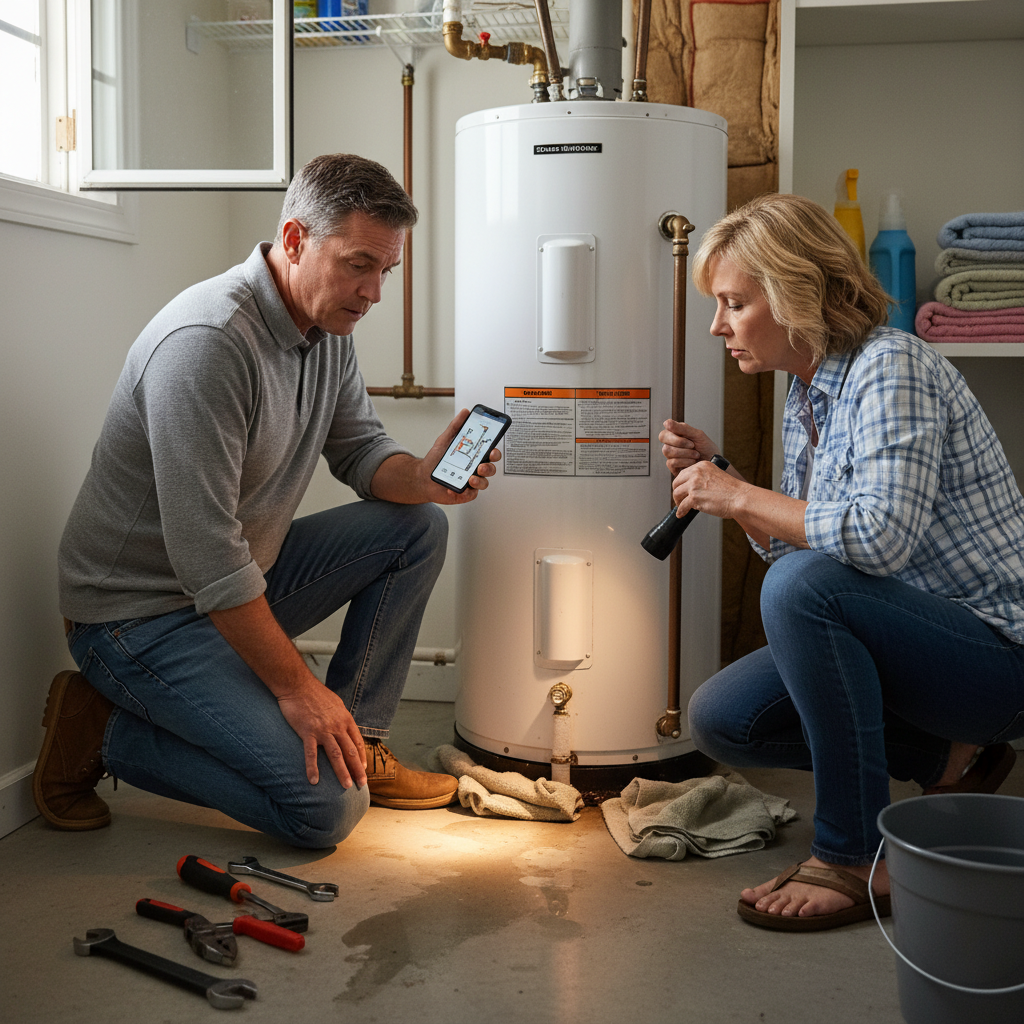
Water heaters, those unsung heroes of the home, often get overlooked until they decide to remind us of their existence. And trust me, when they do, it’s rarely a pleasant experience. Over my years as a homeowner, I’ve learned a lot about these appliances – the good, the bad, and the downright ugly. So, let’s dive into the world of water heaters, the problems they face, and how you can keep yours running smoothly.
Why Water Heaters Go Wrong
Water heaters, whether they’re the traditional tank-style or the more modern tankless models, are subject to various issues. Many problems stem from the very thing they’re designed to handle: water.
* **Sediment Buildup:** This is the most common culprit. Over time, minerals in the water (especially in areas with hard water) settle at the bottom of the tank, forming a layer of sediment. This buildup reduces efficiency, causes strange noises, and can even lead to premature tank failure.
* **Corrosion:** Tank-style water heaters have an anode rod designed to attract corrosive elements. However, the rod degrades over time, and the tank itself can corrode, leading to leaks.
* **Heating Element Failure:** Electric water heaters have heating elements that can burn out. Gas water heaters can experience pilot light or burner issues.
* **Thermostat Malfunction:** A faulty thermostat can lead to inconsistent water temperatures, making your showers a lottery of hot and cold blasts.
* **Leaks:** Leaks can occur from various sources, including the tank itself, fittings, and valves.
Common Water Heater Mistakes to Avoid
Many water heater problems can be avoided with a bit of knowledge and care. Here are some common mistakes homeowners make:
* **Neglecting Maintenance:** The biggest mistake is ignoring your water heater. Regular maintenance, such as flushing the tank, is crucial for longevity.
* **Setting the Temperature Too High:** While you want hot water, setting the thermostat too high (above 120°F or 49°C) wastes energy and increases the risk of scalding.
* **Ignoring Warning Signs:** Don’t ignore unusual noises, discolored water, or leaks. These are often early indicators of a problem that can be addressed before it becomes a major issue.
* **Delaying Repairs:** Putting off repairs can lead to more significant damage and potentially costly replacements.
* **Ignoring Water Quality:** Ignoring water hardness can lead to accelerated sediment buildup. Consider a water softener if you live in an area with hard water.
Simple Maintenance & Care Tips
Taking care of your water heater doesn’t require a degree in plumbing. Here’s what you can do:
* **Flush the Tank:** Once a year (or even twice, if you have hard water), drain and flush the tank to remove sediment. This simple task can significantly extend the lifespan of your water heater. Turn off the power or gas, connect a hose to the drain valve, and let it run until the water runs clear.
* **Test the T&P Valve:** The Temperature and Pressure relief valve is a safety device. Test it every six months by lifting the lever and making sure water flows freely.
* **Inspect the Anode Rod:** For tank-style water heaters, the anode rod protects the tank from corrosion. Check it every 1-3 years and replace it if it’s significantly deteriorated.
* **Set the Right Temperature:** Set your thermostat to 120°F (49°C) to balance comfort and energy efficiency.
* **Inspect Regularly:** Check for leaks, rust, or corrosion around the tank and pipes.
* **Insulate:** Consider insulating your tank to improve energy efficiency, especially if you have an older model.
When to Fix Yourself vs. Call a Professional
Some water heater issues are straightforward enough for DIY repair, while others require a professional. Here’s a quick guide:
**DIY:**
* **Resetting a tripped circuit breaker** (electric models)
* **Adjusting the thermostat**
* **Tightening loose connections**
* **Flushing the tank**
**Call a Professional:**
* **Major leaks**
* **Rusty or discolored water**
* **No hot water**
* **Heating element failure**
* **Pilot light issues** (gas models)
* **Suspected tank corrosion**
* **Gas leaks**
If you’re unsure about a repair, it’s always best to err on the side of caution and call a qualified plumber.
Seasonal Relevance: Water Heaters in Summer, Monsoon, and Winter
Water heaters don’t take a vacation, but the seasons can impact their performance:
* **Summer:** Water heaters work less in summer, as the incoming water is already warmer. This is a good time for maintenance, like flushing the tank.
* **Monsoon:** Watch for leaks and ensure proper ventilation, especially with gas water heaters.
* **Winter:** Water heaters work harder in winter, as the incoming water is colder. This can increase energy consumption. Ensure your unit is well-insulated.
Long-Term Prevention Habits
* **Regular Maintenance:** Make water heater maintenance a part of your annual home maintenance routine.
* **Water Softener:** Consider a water softener if you have hard water.
* **Professional Inspections:** Schedule an annual inspection by a qualified plumber.
* **Replace on Time:** Be prepared to replace your water heater when it reaches the end of its lifespan (8-12 years for tank models, 15-20+ for tankless). Don’t wait for a crisis.
When that water heater of mine gave up the ghost, I learned a valuable lesson: Proactive care saves a lot of headaches (and cold showers). By paying attention to these tips, you can extend the life of your water heater, avoid costly repairs, and ensure you always have access to hot water when you need it.
For more helpful home maintenance advice, be sure to check out our Homepage. You might also find our article on Washing Machine Woes: A Homeowner’s Guide to Laundry Day Sanity useful.
FAQ: Your Water Heater Questions Answered
Here are some common questions about water heaters, answered simply:
**1. How long does a water heater typically last?**
Tank-style water heaters generally last 8-12 years. Tankless models can last 15-20 years or more with proper care.
**2. What are the signs my water heater is failing?**
Look for inconsistent water temperature, unusual noises (banging, popping), rusty or discolored water, leaks, and the age of the unit.
**3. Why is my water heater making noise?**
The most common cause of noise is sediment buildup in the tank. Flushing the tank can help.
**4. What temperature should I set my water heater to?**
Set the thermostat to 120°F (49°C) for a balance of comfort and energy efficiency.
**5. How often should I flush my water heater?**
Flush your water heater once a year, or twice a year if you have hard water.
**6. When should I call a plumber for my water heater?**
Call a plumber for major leaks, rusty water, no hot water, heating element failure, or suspected tank corrosion.
**7. How can I prevent water heater problems?**
Regular maintenance, proper temperature settings, and addressing problems promptly are key to preventing issues.
**8. What’s the deal with the anode rod?**
The anode rod attracts corrosive elements to protect the tank from rust. It needs to be checked and replaced periodically.