
Let me tell you, there’s nothing quite like the feeling of stepping into a nice, hot shower after a long day. But there’s also nothing quite like the icy blast of cold water when your water heater decides to call it quits. I’ve been there, more times than I’d like to admit. That’s why I’m sharing some hard-earned wisdom on keeping your water heater running smoothly, saving you money, and avoiding those dreaded cold showers.
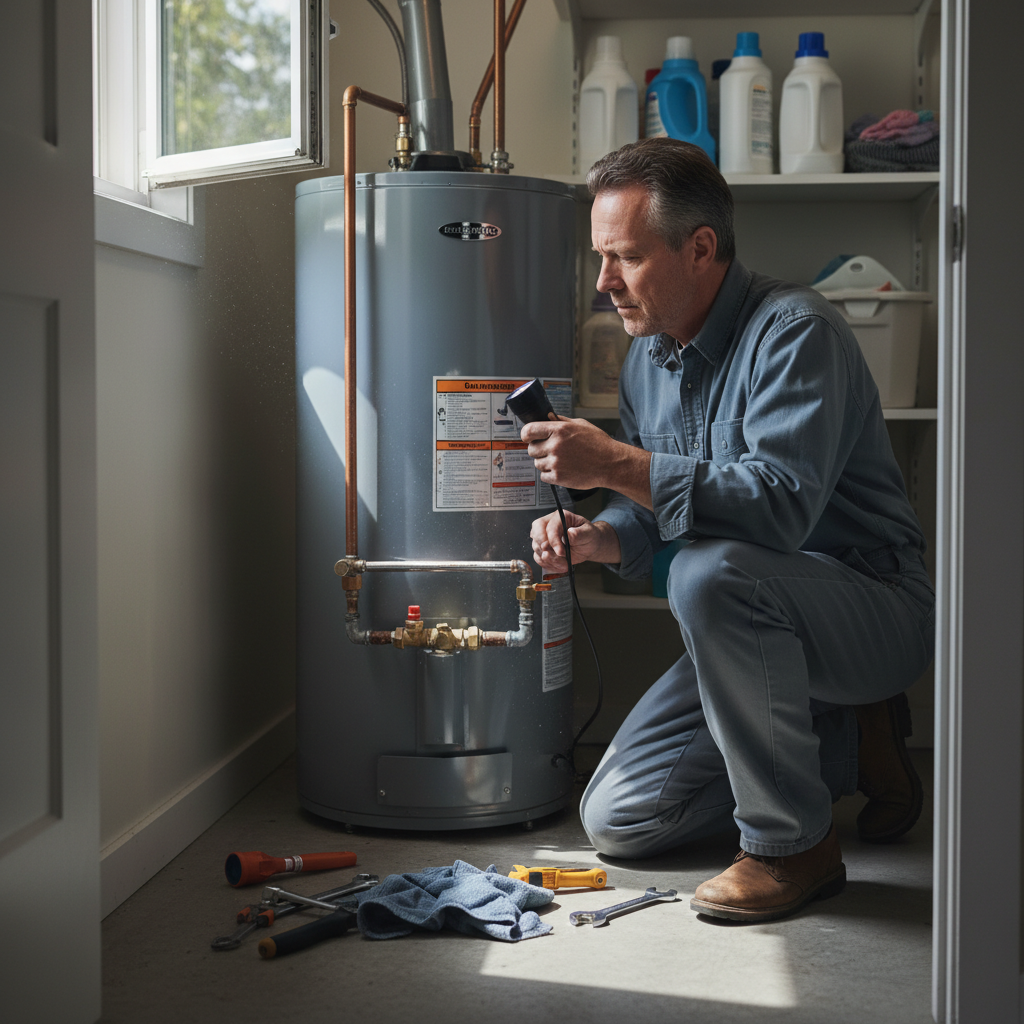
Why Your Water Heater Acts Up
Water heaters, like any appliance, don’t last forever. The average lifespan of a tank-style water heater is around 8 to 12 years. Tankless water heaters can last much longer, potentially 20 years or more. Several factors influence how long your water heater will last, including:
* **Water Quality:** Hard water, with high mineral content, can lead to sediment buildup.
* **Usage:** High demand and frequent use can put extra stress on the system.
* **Maintenance:** Regular care significantly extends the lifespan.
Common Water Heater Mistakes (and How to Avoid Them)
Over the years, I’ve seen homeowners make some common mistakes that can shorten the life of their water heaters and lead to costly repairs. Here’s a rundown of the big ones:
Ignoring the Anode Rod
This is a biggie. The anode rod, a metal rod inside the tank, attracts corrosive elements, preventing rust from eating away at the tank. Most homeowners completely forget about it. Check the anode rod every 1-3 years. If it’s deteriorated, replace it. It’s a simple fix that can save you from a premature water heater failure.
Neglecting the Temperature and Pressure Relief Valve (T&P Valve)
This valve is a safety device. It releases excess pressure if the water gets too hot. People often overlook this valve, but it’s crucial for preventing tank explosions. Test it every six months by lifting the lever. If it’s faulty, replace it immediately.
Skipping the Flush
Sediment buildup is the enemy of a water heater. Minerals in your water settle at the bottom of the tank, reducing efficiency and eventually causing the tank to fail. Flushing the tank annually removes this sediment. It’s a bit of a messy job, but well worth the effort.
Setting the Temperature Too High
There’s no need to crank up the heat. A setting of 120°F (49°C) is generally sufficient and prevents scalding. Higher temperatures increase energy consumption and can shorten the lifespan of your unit.
Ignoring Leaks
Any water around your water heater is a red flag. Leaks can indicate serious problems like tank corrosion or damaged fittings. Don’t ignore them.
Simple Maintenance & Care Tips (Straight from Experience)
Here’s a practical checklist to keep your water heater happy:
* **Annual Flush:** This is your number one defense against sediment. Turn off the power or gas, attach a hose to the drain valve, and flush until the water runs clear.
* **Anode Rod Check:** Inspect and replace the anode rod every few years.
* **T&P Valve Test:** Test the valve every six months.
* **Temperature Check:** Set your thermostat to 120°F (49°C).
* **Visual Inspection:** Regularly check for leaks, rust, and corrosion.
* **Insulation:** Consider insulating the tank, especially if it’s older.
When to DIY vs. Call a Pro
Some tasks are easy to handle yourself, while others are best left to the professionals.
**DIY:**
* Testing the T&P valve.
* Checking and potentially replacing the anode rod.
* Flushing the tank.
* Insulating the tank (if it’s not already insulated).
**Call a Professional:**
* Any signs of leaks.
* Rust-colored water.
* Unusual noises, especially if persistent.
* Temperature fluctuations.
* No hot water or insufficient hot water.
* If you’re unsure about any task.
Seasonal Relevance: Keeping Hot Water Flowing Year-Round
* **Winter:** Colder water entering the tank means the heater works harder. Make sure your tank is well-insulated. If you live in an area prone to freezing, insulate your pipes as well.
* **Summer:** Summer is a good time to tackle maintenance tasks like flushing the tank, since your hot water usage might be lower.
Long-Term Prevention: Habits That Pay Off
* **Water Softener:** If you have hard water, consider installing a water softener to reduce mineral buildup.
* **Regular Inspections:** Make it a habit to inspect your water heater regularly, at least a couple of times a year.
* **Professional Servicing:** Schedule a professional checkup every couple of years. A pro can spot potential problems early and ensure your system is running efficiently.
Frequently Asked Questions
**Q: How long do water heaters typically last?**
A: Tank-style water heaters usually last 8-12 years, while tankless models can last 20 years or more.
**Q: What are the signs that my water heater is failing?**
A: Common signs include: not enough hot water, rusty or discolored water, leaks, unusual noises, and inconsistent water temperatures.
**Q: How often should I flush my water heater?**
A: It’s recommended to flush your tank at least once a year.
**Q: What temperature should I set my water heater to?**
A: 120°F (49°C) is generally recommended for a safe and efficient temperature setting.
**Q: What should I do if my water heater is leaking?**
A: Turn off the power or gas and call a qualified plumber immediately. Leaks can cause significant damage.
**Q: Can I replace a water heater myself?**
A: While some homeowners may be comfortable with this task, it’s often best to have a professional handle the replacement. It involves electrical or gas connections and can be dangerous if not done correctly.
I hope this guide helps you keep your water heater in tip-top shape. Remember, a little preventative maintenance can go a long way in ensuring a steady supply of hot water for years to come. For more helpful tips, you can always check out resources like my other articles [Internal Link 1]. You can also browse our homepage [Internal Link 2] to see what other helpful insights we have to offer.