
I remember the day we got our first dishwasher. It was a hand-me-down, a bit older, and definitely not the sleek, modern machines we see today. The previous owner had warned us about a few quirks, but I figured, “How hard can it be?” Famous last words, right? Over the years, I’ve learned a lot about dishwashers – mostly through trial and error, and a few frantic calls to the repair guy. This isn’t just about loading plates; it’s about making that appliance last, saving water, and avoiding the dreaded “dishes still dirty” scenario.
Why Your Dishwasher Might Be Fighting Back (and What to Do About It)
Dishwashers are workhorses, but they’re also surprisingly sensitive. They take a beating, dealing with everything from dried-on lasagna to greasy pans. And like any appliance, things can go wrong. Let’s break down some common issues and how to tackle them.
The “It’s Not Cleaning!” Blues
This is probably the most frustrating problem. You unload the dishwasher, and… the dishes are still dirty. Here’s a quick checklist:
- The Basics: Are you loading the dishwasher correctly? Overcrowding is a major culprit. Water and detergent need space to work. Make sure dishes aren’t blocking the spray arms.
- Water Temperature: Dishwashers need hot water to clean effectively. Check your water heater. It should be set to at least 120°F (49°C). Run the hot water in the sink before you start the dishwasher to ensure it gets hot water right away.
- Detergent Dilemma: Are you using the right detergent? Powder, liquid, and pods all have their pros and cons. Make sure your detergent is fresh and designed for dishwashers. Using too much detergent is a common mistake that can leave a film on your dishes.
- Spray Arms: Are the spray arms clogged? Food particles can easily block the tiny holes. Take them out (usually they just unscrew) and rinse them under the faucet. Use a toothpick to clear any stubborn blockages.
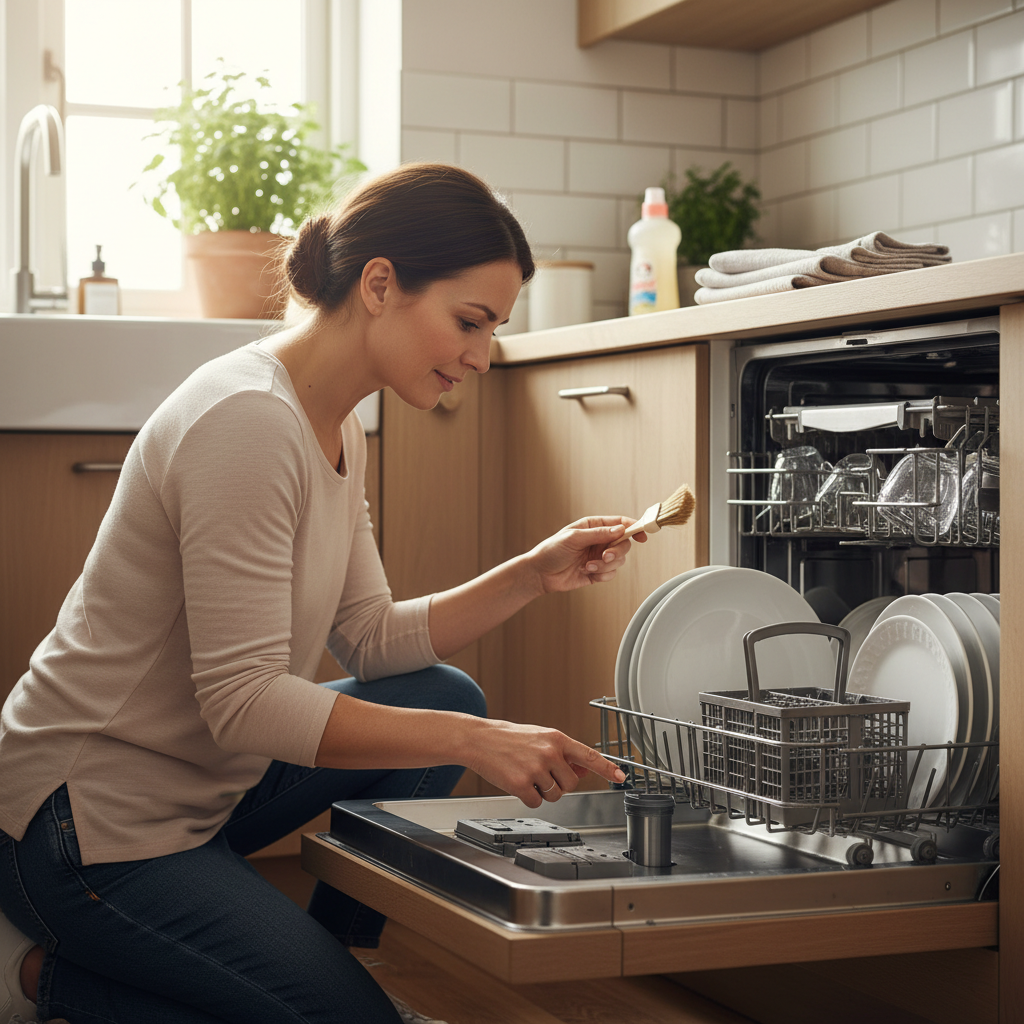
- Filters: Dishwashers have filters to catch food particles. These need to be cleaned regularly. Check your dishwasher’s manual for how to remove and clean the filter. It’s usually a simple process, but a clogged filter will definitely affect cleaning performance.
The “It’s Leaking!” Emergency
A leaky dishwasher can cause water damage and mold, so it’s a serious issue. Here’s what to check:
- Door Seal: The rubber seal around the door is crucial. Check for cracks, tears, or debris that might be preventing a tight seal. Clean the seal regularly with a damp cloth.
- Hoses: Check the supply and drain hoses for leaks or cracks. These hoses are located behind the dishwasher and are responsible for bringing in and removing water.
- Connections: Make sure all the connections are tight. Sometimes, vibrations can loosen things over time.
- Soap Dispenser: A faulty soap dispenser can sometimes leak. Check for cracks or damage.
If you find a leak, especially a significant one, it’s best to call a professional. Water damage can be costly, and a professional can quickly identify and fix the source of the leak.
The “Smelly Situation”
A stinky dishwasher is often a sign of built-up food particles and bacteria. Here’s how to freshen things up:
- Clean the Filter: As mentioned above, a clean filter is key.
- Run a Cleaning Cycle: Use a dishwasher cleaner specifically designed to remove grease and grime. You can find these at most hardware or home improvement stores. Run the dishwasher empty on its hottest cycle.
- Baking Soda and Vinegar: For a natural cleaning solution, sprinkle a cup of baking soda in the bottom of the dishwasher, and then pour a cup of white vinegar into the detergent dispenser. Run the dishwasher on a hot cycle.
- Air it Out: After each cycle, leave the dishwasher door ajar to allow it to air out and prevent odors from building up.
Common Mistakes to Avoid
We all make mistakes, and sometimes these errors can shorten the life of your dishwasher. Here are a few things to avoid:
- Pre-rinsing Dishes (Too Much): Modern dishwashers are designed to handle most food debris. Over-rinsing wastes water and detergent. Just scrape off large food particles.
- Using the Wrong Detergent: Using hand soap or regular dish soap can create excessive suds and damage your dishwasher.
- Overloading: As mentioned, overcrowding prevents proper cleaning.
- Ignoring the Manual: Your dishwasher’s manual contains valuable information about cleaning cycles, maintenance, and troubleshooting.
- Forgetting to Clean the Filter: This is a recipe for a smelly, ineffective dishwasher.
Simple Maintenance and Care Tips
Taking care of your dishwasher doesn’t have to be a major chore. A few simple habits can go a long way:
- Clean the Filter Regularly: Aim to clean the filter at least once a month, or more often if you use your dishwasher frequently.
- Run Cleaning Cycles: Run a dishwasher cleaner through the machine every few months.
- Check the Spray Arms: Inspect the spray arms regularly and clean them if necessary.
- Inspect the Door Seal: Wipe the door seal regularly to prevent buildup and ensure a tight seal.
- Load Correctly: Follow the manufacturer’s guidelines for loading your dishwasher.
When to Call a Professional (and When to DIY)
Some problems you can easily fix yourself. Others require a professional. Here’s a general guideline:
- DIY: Cleaning the filter, cleaning the spray arms, clearing minor clogs, cleaning the door seal, using a dishwasher cleaner, and basic troubleshooting steps.
- Call a Professional: Leaks, electrical problems, pump failures, and any major mechanical issues. If you’re not comfortable working with appliances, it’s always best to call a professional.
Seasonal Relevance: Adapting to the Weather
Believe it or not, seasonal changes can sometimes affect your dishwasher. Here’s what to consider:
- Summer: With warmer weather, you might be using your dishwasher more frequently. Make sure you’re cleaning the filter and running cleaning cycles more often.
- Monsoon: Humidity can sometimes lead to mold and mildew. Ensure good ventilation in your kitchen and clean your dishwasher regularly.
- Winter: If you live in an area with hard water, winter can sometimes exacerbate hard water deposits. Consider using a dishwasher cleaner that addresses hard water issues.
Long-Term Prevention Habits
Preventing problems is always better than fixing them. Here are some long-term habits to adopt:
- Use a Rinse Aid: Rinse aid helps prevent water spots and can improve drying performance.
- Soften Your Water: Hard water can cause mineral buildup in your dishwasher. Consider using a water softener if you have hard water.
- Don’t Overload: Give your dishes room to breathe.
- Unplug When Not in Use (for extended periods): This is always a good idea for any appliance, and it also prevents potential electrical issues. Consider this in conjunction with other electrical safety habits.
FAQ: Your Dishwasher Questions Answered
Here are some frequently asked questions about dishwashers, along with simple answers.
Why are my dishes still dirty after the dishwasher cycle?
There are several potential reasons. The most common are incorrect loading, a clogged spray arm, a dirty filter, using the wrong detergent, or a problem with the water temperature. Check these areas first.
How often should I clean my dishwasher filter?
Ideally, clean the filter at least once a month. If you use your dishwasher frequently, you may need to clean it more often.
How can I remove hard water stains from my dishes?
Use a dishwasher cleaner specifically designed for hard water. You can also try adding a cup of white vinegar to the bottom of the dishwasher during a cleaning cycle, but be cautious as vinegar can damage some dishwasher components over time.
Can I put any type of plastic in the dishwasher?
Check the manufacturer’s instructions for the plastic items. Some plastics are dishwasher-safe, while others can warp or melt.
What should I do if my dishwasher is leaking?
If you notice a leak, first check the door seal and hoses. If you can’t identify the source of the leak or the leak is significant, it’s best to call a professional to prevent water damage.
How do I get rid of bad smells in my dishwasher?
Clean the filter, run a dishwasher cleaner cycle, and consider using baking soda and vinegar. Make sure to air out the dishwasher after each cycle by leaving the door slightly ajar.
Is it okay to pre-rinse my dishes before putting them in the dishwasher?
Over-rinsing isn’t necessary. Modern dishwashers are designed to handle most food debris. Just scrape off any large food particles before loading.