
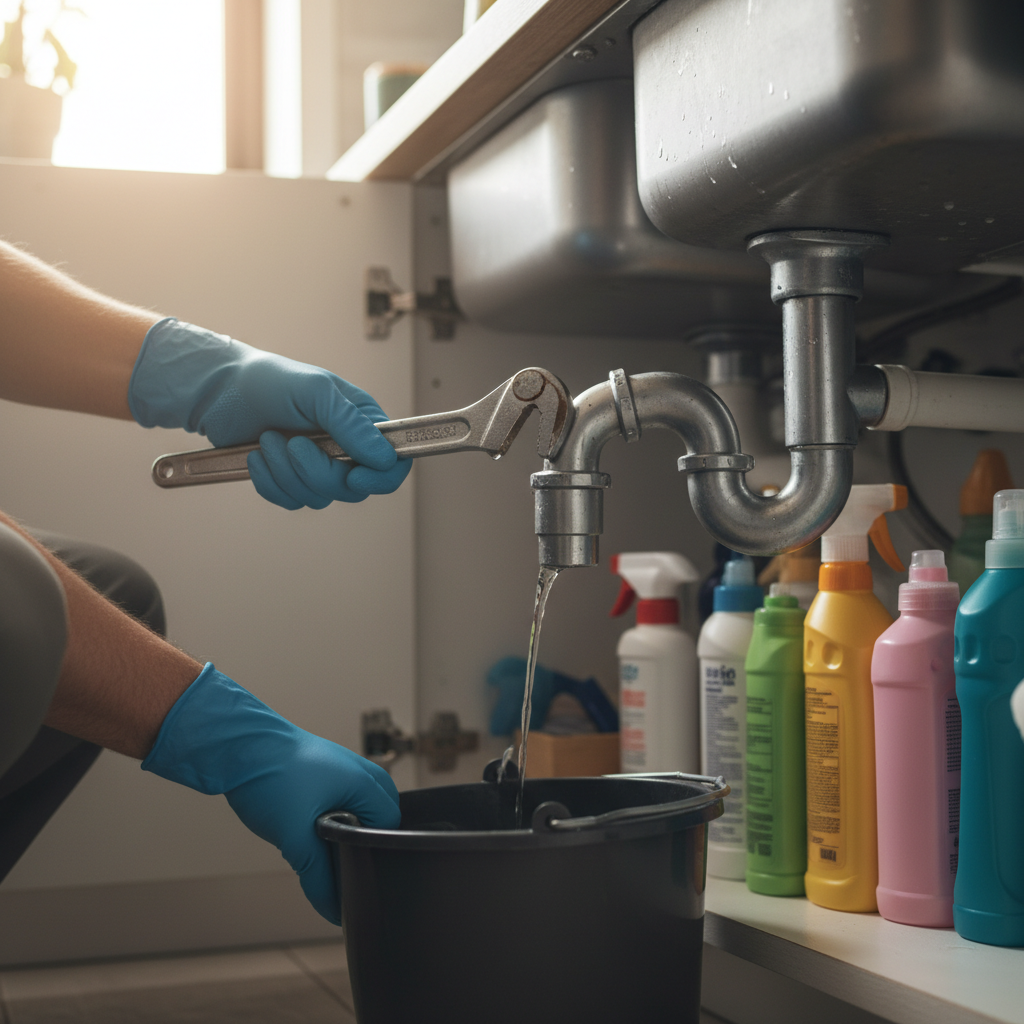
It was a Saturday morning, and I was looking forward to a relaxing weekend. That plan hit a snag the moment I turned on the kitchen sink. Instead of the water smoothly disappearing down the drain, it started to pool, slowly, ominously. I sighed. Another plumbing adventure. Over the years, I’ve had my share of drain dramas, and I’ve learned a thing or two about tackling them.
Why Does My Drain Clog, Anyway?
Let’s face it: drains are the unsung heroes of our homes. They take on a lot of abuse, from food scraps and grease in the kitchen to hair and soap scum in the bathroom. Over time, these things build up, creating a blockage. The good news is, most of the time, it’s not a major plumbing catastrophe. It’s usually something you can handle yourself. I’ve pulled out everything from wads of hair the size of small animals to a rogue chicken bone (don’t ask) from my drains over the years.
Here are some of the usual suspects behind those stubborn clogs:
- Food Scraps: In the kitchen sink, bits of food are the enemy. Even with a garbage disposal, some food particles can slip through and cause problems.
- Grease and Oil: Hot grease might seem liquid when you pour it down the drain, but as it cools, it solidifies and clings to the pipes. This is a major clog creator.
- Hair: A common culprit in bathroom sinks and showers. Hair clumps together with soap and other debris, creating a sticky mass.
- Soap Scum: Hard water and soap combine to form a gunky residue that coats pipes and traps other debris.
- Mineral Buildup: If you have hard water, mineral deposits can accumulate in your pipes over time, narrowing the opening and making clogs more likely.
- Foreign Objects: Kids love to “experiment,” so sometimes you’ll find small toys or other items that have found their way down the drain.
Common Mistakes We Make (And How to Avoid Them)
I’ve made my share of drain-clogging mistakes. Here’s a list of common blunders and how you can avoid them, learned from my experiences:
- Pouring Grease Down the Drain: This is a big no-no. I used to think a little hot grease wouldn’t hurt, but I quickly learned otherwise. Pour grease into a container, let it cool and solidify, and then toss it in the trash. A simple change, but it makes a huge difference.
- Using Harsh Chemical Drain Cleaners Regularly: While these can seem like a quick fix, they can damage your pipes over time, especially if you have older pipes. They also aren’t great for the environment. I prefer gentler methods first.
- Ignoring Slow Drains: A slow drain is a warning sign. Don’t wait until it’s completely blocked. Address the issue as soon as you notice it. This is where preventative maintenance really shines.
- Not Using Drain Strainers: In the kitchen, a strainer in the sink prevents food scraps from going down the drain in the first place. In the bathroom, a hair catcher is essential. These are cheap and effective ways to keep clogs at bay.
- Flushing Things You Shouldn’t: This includes things like feminine hygiene products, cotton balls, and excessive amounts of toilet paper. These items don’t break down easily and can cause major backups, especially in older plumbing systems.
Simple Maintenance and Care Tips
Preventing clogs is much easier than dealing with them. Here’s what I do regularly to keep my drains flowing freely:
- Flush with Hot Water: After washing dishes or using the sink, run hot tap water down the drain for a minute or two. This helps flush away any lingering food particles or grease.
- Use Baking Soda and Vinegar: Once a month, pour about a cup of baking soda down the drain, followed by a cup of white vinegar. Let it fizz for about 30 minutes, then flush with hot water. This is a natural and effective way to clean the pipes.
- Boiling Water (Carefully!): For kitchen sinks, occasionally pour a pot of boiling water down the drain. Be cautious with this, especially if you have PVC pipes, as extreme heat can damage them. Let the water cool slightly before pouring.
- Clean Drain Strainers Regularly: Remove and clean the strainers in your sinks and showers weekly. This is a simple task that can prevent a lot of headaches.
- Consider a Garbage Disposal (if you don’t have one): A garbage disposal can help break down food scraps before they enter the drain, but make sure you use it correctly (avoiding large amounts of fibrous foods like celery).
When to Fix it Yourself vs. Call a Professional Plumber
There’s a fine line between a DIY fix and knowing when to call in the pros. Here’s my rule of thumb:
- DIY: If the clog is minor, you can usually handle it yourself using a plunger, a drain snake (also known as a plumber’s snake), or the baking soda and vinegar method. I’ve cleared many clogs with just a plunger and a little elbow grease.
- When to Call a Plumber:
- If you’ve tried all the DIY methods and the drain is still blocked.
- If multiple drains in your house are clogged. This could indicate a more serious problem in your main drain line.
- If you suspect a broken pipe or other plumbing issue.
- If you’re uncomfortable working on plumbing. There’s no shame in admitting that some tasks are best left to the experts!
Don’t be afraid to call a plumber. They have the tools and experience to diagnose and fix the problem quickly and efficiently. Plus, they can often identify underlying issues that you might not notice.
Seasonal Relevance
Believe it or not, the seasons can impact your drains. Here’s how:
- Summer: Increased use of the kitchen sink for washing dishes after summer barbecues, or general food preparation can lead to more food scraps going down the drain. Be extra diligent about using strainers and avoiding grease.
- Monsoon: Heavy rainfall can sometimes put extra strain on your plumbing system, leading to clogs. Make sure your gutters and downspouts are clear of debris to prevent water from backing up into your drains.
- Winter: While not directly related to the drains themselves, freezing temperatures can cause pipes to burst if they’re not properly insulated. This is a much bigger problem, of course, but it can indirectly affect your drains if you have a leak.
Long-Term Prevention Habits
Beyond the simple maintenance tips, here are some long-term habits that will keep your drains flowing smoothly for years to come:
- Regular Inspections: Even if your drains seem fine, it’s a good idea to have a plumber inspect your plumbing system every few years. They can identify potential problems before they become major issues.
- Be Mindful of What You Flush: This is the most important habit. Pay attention to what goes down your drains, and avoid flushing anything that isn’t supposed to be there.
- Consider Upgrading Your Pipes: If you have old pipes, especially those made of galvanized steel, they can be prone to corrosion and mineral buildup. Consider replacing them with more modern materials like PVC or PEX pipes.
- Educate Your Family: Make sure everyone in your household knows how to properly care for the drains. This includes children, who might not understand the consequences of flushing toys or other objects.
- Invest in Good Quality Strainers and Hair Catchers: It’s a small investment that can save you a lot of trouble in the long run.
I hope these tips help you navigate the world of drain maintenance with more confidence. Remember, a little bit of prevention goes a long way. And hey, if all else fails, a good plumber is just a phone call away!
Speaking of things you might overlook, did you know that your electrical outlets could also be hiding some silent threats? The Silent Threat: How Ignoring Your Outlets Can Cost You highlights the importance of maintaining them too.
FAQ: Your Drain-Related Questions Answered
Here are some frequently asked questions about drain clogs, answered in simple terms:
Q: What’s the best tool for unclogging a drain?
A: It depends on the clog. A plunger is usually the first line of defense. If that doesn’t work, a drain snake (also called a plumber’s snake) is a good option. They are both relatively inexpensive and easy to use.
Q: Are chemical drain cleaners safe?
A: Chemical drain cleaners can be effective, but they can also damage your pipes, especially older ones. They’re also not great for the environment. I recommend using them as a last resort. Try natural methods like baking soda and vinegar first.
Q: Can I prevent clogs in my kitchen sink?
A: Absolutely! Use a strainer to catch food scraps, avoid pouring grease down the drain, and flush with hot water after use. These simple habits can make a big difference.
Q: How do I know if I have a serious plumbing problem?
A: If multiple drains in your house are clogged, or if the water is backing up into your sinks or tubs, it could indicate a more serious problem. Also, if you notice leaks or unusual sounds coming from your pipes, call a plumber.
Q: My garbage disposal isn’t working. What should I do?
A: First, make sure the disposal is plugged in and that the reset button hasn’t tripped. If it’s still not working, try using tongs or pliers to remove any visible obstructions. If that doesn’t work, or if the disposal is making a grinding noise, it’s best to call a professional.
Q: How often should I clean my drains?
A: I recommend cleaning your drains at least once a month using baking soda and vinegar or a similar method. Also, clean your drain strainers and hair catchers weekly. More frequent cleaning might be necessary depending on your usage habits.
Q: What are some signs that a pipe is about to burst?
A: A sudden decrease in water pressure, the sound of running water when no water is being used, or visible water stains on ceilings or walls can be signs of a burst pipe. If you notice any of these signs, turn off your water supply immediately and call a plumber. This is an urgent situation. Also, regular inspections can often identify potential problems before a burst happens.
If you’re interested in more ways to keep your home in top shape, check out for more helpful tips.