
It was a Monday morning, a busy one. I had a mountain of laundry to tackle, as usual. But as I went to start the washing machine, I noticed a sour, musty smell. Uh oh. I’d been putting off cleaning the washing machine, a task I knew I should do regularly, but life always seemed to get in the way. Sound familiar? I’ve been there, trust me. And as someone who’s spent years navigating the ups and downs of home ownership, I can tell you that a washing machine is one of those appliances you *really* want to keep in good shape.
Why Does My Washing Machine Smell?
That musty odor, that’s usually the first sign. It’s often caused by a buildup of mold, mildew, and bacteria. Think about it: your washing machine is a damp environment, perfect for these little nasties to thrive. Detergent residue, hard water minerals, and even the fabric softener you love can all contribute to this buildup. In front-load washers, the rubber gasket around the door is a prime spot for this, and top-loaders aren’t immune either.
Another culprit could be trapped water. If you close the door right after a wash, you’re essentially creating a humid cave, which is an open invitation for mold to set up shop.
Common Washing Machine Mistakes to Avoid
Over the years, I’ve made (and learned from) my share of washing machine mistakes. Here’s a rundown of what *not* to do:
* **Overloading the Machine:** Cramming in too many clothes puts extra strain on the motor and can prevent clothes from getting properly cleaned. It also makes it harder for water and detergent to circulate, leading to residue buildup.
* **Using Too Much Detergent:** This is a big one. More detergent doesn’t mean cleaner clothes. In fact, it can lead to excessive suds, which can leave residue and attract mold. I learned this the hard way – a little goes a long way.
* **Neglecting the Cleaning Cycle:** Many machines have a “clean washer” cycle, and you *must* use it! Even if yours doesn’t, a regular cleaning with vinegar or a commercial cleaner is essential. I aim for at least once a month.
* **Ignoring the Gasket:** Front-load washers have that rubber gasket, and it’s a mold magnet. Leaving it unchecked is asking for trouble.
* **Leaving the Door Closed:** After a wash, always leave the door ajar (or in the case of a top loader, the lid open) to allow the machine to dry out.
Simple Maintenance & Care Tips
Taking care of your washing machine doesn’t have to be a chore. Here are some simple habits that make a big difference:
* **Clean Regularly:** Run a cleaning cycle with a washing machine cleaner or a mixture of hot water, vinegar, and baking soda at least once a month.
* **Wipe Down the Gasket:** After each load, wipe down the rubber gasket (if you have a front-load washer) to remove any moisture and prevent mold.
* **Use the Right Amount of Detergent:** Read your detergent bottle and use the recommended amount. It’s usually less than you think.
* **Leave the Door Ajar:** After each wash, leave the door or lid open to allow air circulation.
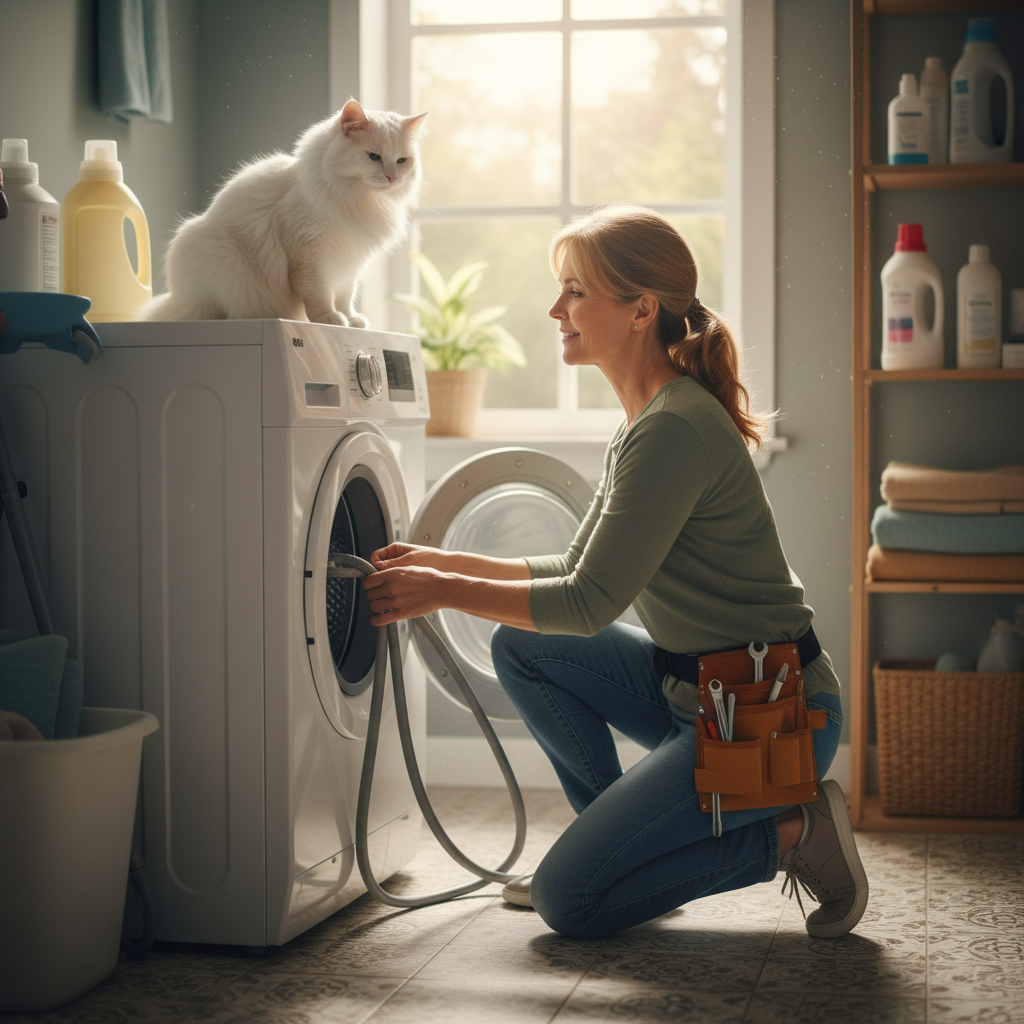
* **Check Hoses and Connections:** Inspect the hoses for any cracks or leaks, and check the connections regularly. Catching a leak early can save you a big headache.
* **Clean the Detergent Dispenser:** Remove and clean the detergent dispenser regularly to prevent buildup.
* **Don’t Forget the Filter:** Many machines have a filter that catches lint and debris. Check your manual for its location and clean it regularly.
When to DIY vs. Call a Pro
For most routine maintenance, you can absolutely handle it yourself. Cleaning the machine, wiping the gasket, and checking the hoses are all straightforward tasks. However, there are times when it’s best to call in a professional:
* **Major Leaks:** If you notice a significant leak that you can’t easily identify or fix, call a plumber or appliance repair person. Water damage can be costly.
* **Motor Problems:** If the machine isn’t spinning or agitating properly, the motor might be the issue. This is usually best left to a professional.
* **Strange Noises:** Unusual noises, like loud banging or grinding, could indicate a serious problem. Don’t ignore them.
* **Persistent Odors:** If you’ve cleaned the machine multiple times and the musty smell persists, there might be a deeper issue, like mold in the internal components.
Seasonal Relevance
While washing machine care is important year-round, there are a few seasonal considerations:
* **Summer:** During the summer months, humidity can increase the likelihood of mold and mildew growth. Make sure to wipe down the gasket and leave the door ajar more frequently.
* **Monsoon:** The monsoon season brings more moisture into your home. This emphasizes the need for regular cleaning and good ventilation around your washing machine.
* **Winter:** In colder weather, frozen pipes can be a problem. Make sure your washing machine hoses are insulated, especially if your laundry room is in an unheated area.
Long-Term Prevention Habits
Building these habits into your routine will help keep your washing machine in top shape for years to come:
* **Regular Cleaning Schedule:** Make it a part of your monthly routine, just like paying bills or changing the air filter.
* **Use High-Efficiency (HE) Detergent:** If you have an HE machine, always use HE detergent. It’s designed to produce fewer suds and is better for your machine.
* **Avoid Overloading:** Resist the temptation to cram in too many clothes. It’s better for your machine and your clothes.
* **Address Problems Promptly:** Don’t ignore small issues. The sooner you address them, the less likely they are to turn into bigger, more expensive problems.
Frequently Asked Questions
* **How often should I clean my washing machine?** Aim for at least once a month, or more often if you do a lot of laundry.
* **What can I use to clean my washing machine?** You can use a washing machine cleaner, vinegar, and baking soda, or a commercial cleaner.
* **How do I clean the rubber gasket on a front-load washer?** Wipe it down with a damp cloth after each wash to remove moisture. You can also use a mold and mildew cleaner if needed.
* **Why is my washing machine making a loud noise?** This could be due to a variety of issues, from unbalanced loads to problems with the motor. If it persists, call a professional.
* **My clothes smell musty after washing. What’s wrong?** The machine likely needs cleaning. Follow the steps above for cleaning and maintenance.
* **Should I use hot or cold water to clean my washing machine?** Hot water is generally recommended for cleaning cycles, as it helps to kill mold and mildew.
* **Can I use bleach to clean my washing machine?** Yes, you can use bleach in the cleaning cycle, but be sure to follow the manufacturer’s instructions.
* **How do I prevent mold and mildew in my washing machine?** Regularly clean the machine, wipe the gasket, leave the door ajar, and use the right amount of detergent.
Keeping your washing machine clean and well-maintained might seem like a small thing, but it can save you a lot of trouble (and money) in the long run. By following these simple tips, you can extend the life of your appliance and enjoy fresh, clean clothes for years to come. And trust me, you’ll be glad you did when you don’t have to deal with that musty smell!