
Let’s face it: laundry day is a necessary evil. We all have to do it, but nobody *loves* it. And when your washing machine decides to act up, laundry day can quickly turn into a full-blown crisis. I remember one time, I had a mountain of clothes piled up, ready to go. I hit the start button, and…nothing. The machine just sat there, mocking me. That’s when I learned, the hard way, that a little bit of knowledge and regular care can save you a lot of headaches (and a potential fortune in repair bills).
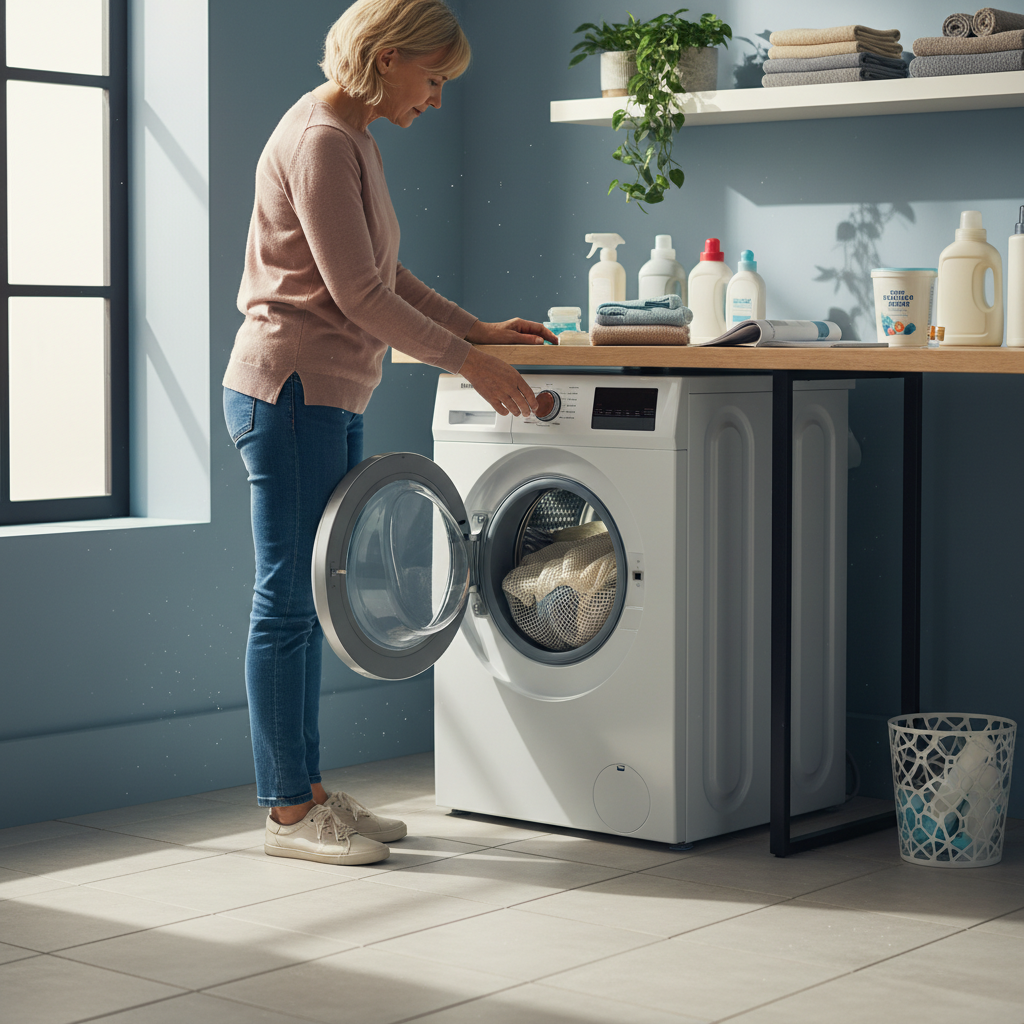
Why Does My Washing Machine Always Seem to Be a Problem?
Washing machines, like any complex appliance, are subject to wear and tear. Over time, parts break down, hoses get clogged, and things just… stop working. But a lot of the problems we face with our washing machines are actually caused by *us* – by our habits and how we treat these workhorses of the home. Here’s a look at some common culprits:
* **Overloading:** I know, you want to cram as much in as possible to save time. But overloading your machine puts a huge strain on the motor, the drum, and the suspension. This leads to premature wear and tear, and it can also cause the machine to become unbalanced, leading to all sorts of problems.
* **Too Much Detergent:** More detergent equals cleaner clothes, right? Wrong! Excess detergent can leave residue, build up in the machine, and lead to mold and mildew. This is a common cause of that musty smell that plagues so many washing machines. Check the type of detergent for the proper usage.
* **Ignoring the Lint Filter:** This one is a biggie. The lint filter is there for a reason, but it’s easy to forget about it. Clogged lint filters restrict water flow and can lead to drainage issues. Depending on the model, the lint collector may be in the agitator tube or near the top of the washtub.
* **Ignoring Smells:** That musty odor isn’t just unpleasant; it’s a sign of mold and mildew growth. These can damage the machine and even affect your health.
Common Mistakes and How to Avoid Them
I’ve learned a lot from my own mistakes (and from some pretty hefty repair bills). Here are some common blunders and how you can sidestep them:
* **Using the Wrong Detergent:** High-efficiency (HE) machines need special, low-sudsing detergent. Using the wrong kind can lead to excessive suds, which can damage the machine.
* **Forgetting to Check Pockets:** Loose change, pens, lipsticks, and other small items can wreak havoc on your machine. Always check pockets before tossing clothes in.
* **Ignoring Leaks:** A small leak might seem insignificant, but it can cause serious damage over time. Water can damage your floors and cause mold growth.
* **Failing to Level the Machine:** A washing machine that isn’t level will vibrate excessively, which can damage the machine and your floor.
Simple Maintenance & Care Tips (Things I Wish I’d Known Sooner!)
The good news is that most washing machine problems are preventable. Here are a few simple maintenance tips that I swear by:
* **Clean Regularly:** Run a cleaning cycle with a washing machine cleaner or a mixture of vinegar and baking soda every month or so.
* **Leave the Door Open:** After each load, leave the door or lid open to allow the machine to air out and prevent mold and mildew growth.
* **Clean the Lint Filter:** Clean the lint filter *every single time* you do laundry. It takes two seconds, and it can save you a world of trouble.
* **Check Hoses and Connections:** Inspect the hoses and connections regularly for any signs of wear, such as cracks, bulges, or leaks. Replace them every three to five years, even if they look okay.
* **Use the Right Amount of Detergent:** Follow the instructions on the detergent bottle. Less is often more!
* **Don’t Overload the Machine:** Give your clothes some room to move around.
When to Fix it Yourself vs. Call a Professional
I’m all for DIY, but some things are best left to the pros. Here’s a general rule of thumb:
* **DIY:** Cleaning the lint filter, wiping down the machine, and checking hoses are all things you can and *should* do yourself. Also, if the machine isn’t level, you can adjust the feet to balance it.
* **Call a Professional:** If you hear strange noises, such as grinding or thumping, if the machine won’t drain or spin, or if you suspect an electrical problem, call a repair technician. Also, if you’re not comfortable working with water and electricity, it’s best to call in the experts.
Seasonal Relevance
* **Summer:** During the summer months, humidity can encourage mold and mildew growth. Be extra diligent about leaving the door open and cleaning the machine regularly.
* **Monsoon:** The increased humidity during the monsoon season can also exacerbate mold and mildew problems. Ensure proper ventilation in your laundry area.
* **Winter:** In cold weather, check the water supply hoses for cracks or leaks. Also, be sure to use the correct amount of detergent, since clothes are usually washed indoors.
Long-Term Prevention Habits
* **Read the Manual:** I know, I know, nobody reads the manual. But trust me, it contains valuable information about your specific machine, including maintenance tips and troubleshooting advice.
* **Keep it Level:** A level machine is a happy machine. Check the level periodically and adjust the feet as needed.
* **Consider a Drip Pan:** Place a drip pan under the machine to catch any leaks and prevent water damage.
* **Proper Detergent:** It is essential to use the proper type and amount of detergent to avoid excess suds.
FAQ
Here are some frequently asked questions about washing machine care:
1. **How often should I clean my washing machine?**
It is recommended to clean your washing machine every month or after every 30 wash cycles.
2. **What’s the best way to clean my washing machine?**
Run an empty cycle with a washing machine cleaner or a mixture of hot water, vinegar, and baking soda.
3. **How long do washing machines last?**
The average lifespan of a washing machine is between 7 and 12 years, with proper care.
4. **Why is my washing machine making a loud noise?**
Loud noises can be caused by various issues, including foreign objects, worn bearings, or an unbalanced load.
5. **My washing machine won’t drain. What should I do?**
Check the drain hose and the lint filter for clogs. If that doesn’t work, there may be a problem with the drain pump.
6. **How do I prevent mold and mildew in my washing machine?**
Leave the door or lid open after each load, clean the machine regularly, and use the correct amount of detergent.
7. **Should I use bleach to clean my washing machine?**
Using chlorine bleach can help prevent mold and mildew in your washing machine.
8. **What kind of detergent should I use?**
Use the correct type of detergent for your machine, particularly if it’s a high-efficiency (HE) model.
By following these tips, you can extend the life of your washing machine and avoid those dreaded laundry day disasters. And if you’re looking for other ways to make your home more efficient, check out The Invisible Danger: Why You Need to Unplug (and Other Easy Electrical Habits) to stay safe. Happy washing! And if you want to explore other helpful home tips, check out our homepage.