
It was a Monday morning, just like any other. I jumped into the shower, anticipating that familiar rush of hot water to wake me up. Instead, I got a blast of icy cold, followed by a frustratingly lukewarm trickle. Of course, this always happens when you’re already running late, right? That morning, my water heater decided to take a vacation. And that, my friends, is a good reason to talk about this essential, yet often-overlooked, appliance.
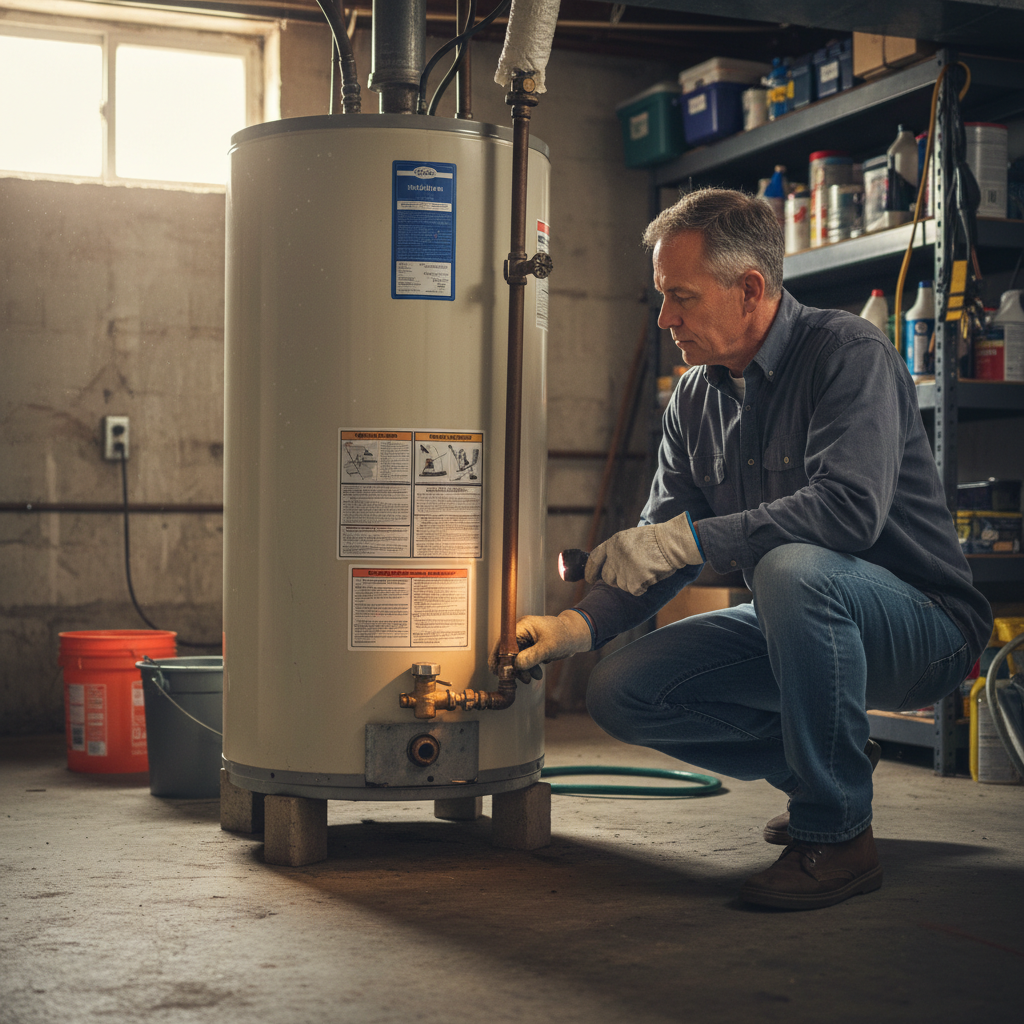
Your water heater is a workhorse. It doesn’t get a lot of glory, but it’s vital for a comfortable home. From hot showers to clean dishes, it’s there for us every single day. But like any appliance, it needs some TLC to keep running smoothly. Let’s dive into how to keep your water heater in tip-top shape, avoiding those dreaded cold showers.
Why Does My Water Heater Act Up? Common Culprits
Several things can go wrong with your water heater, leading to issues like inconsistent temperatures, lack of hot water, or even leaks. Understanding the common causes is the first step in prevention.
Sediment Buildup: The Silent Enemy
One of the most frequent problems is sediment buildup at the bottom of the tank. Over time, minerals in the water settle and form a layer of sludge. This sediment acts as insulation, making the heater work harder and less efficiently. It can also lead to unusual noises.
Failing Heating Elements or Thermostats
For electric water heaters, a burned-out heating element is a common issue, preventing the water from getting hot. In gas water heaters, problems with the pilot light or gas burner can have the same effect. Thermostats, which control the water temperature, can also malfunction, leading to inconsistent water temperatures.
Corrosion and Leaks: The Red Flags
Leaks are a serious sign of trouble. They can be caused by corrosion inside the tank, often due to a failing anode rod (more on that later), or by wear and tear on the tank itself. A leaking tank needs immediate attention.
Common Mistakes Homeowners Make
We’ve all been there. It’s easy to neglect the water heater, but some common habits can shorten its lifespan.
Ignoring Maintenance
The biggest mistake? Ignoring the need for regular maintenance. Water heaters aren’t “set it and forget it” appliances. They require periodic checks and care.
Setting the Temperature Too High
While we all love a hot shower, setting the thermostat too high can waste energy and potentially lead to scalding. The recommended temperature is typically around 120°F (49°C).
Neglecting the Anode Rod
The anode rod is a sacrificial component that attracts corrosive elements, protecting the tank. Failing to replace it regularly allows corrosion to eat away at the tank.
Simple Maintenance and Care Tips
Taking care of your water heater isn’t rocket science. Here are some easy steps you can take to keep it running smoothly:
Flushing the Tank: The Yearly Ritual
Flushing the tank once a year is a critical maintenance task to remove sediment. This helps maintain efficiency and prevents premature failure. Turn off the power or gas, attach a hose to the drain valve, and let the water flow until it runs clear.
Testing the TPR Valve
The Temperature and Pressure Relief (TPR) valve is a safety feature that prevents the tank from exploding due to excessive pressure. Test it annually by lifting the lever and ensuring water flows out.
Inspecting the Anode Rod
Check the anode rod every year or two and replace it when it’s significantly corroded. This simple step can dramatically extend the life of your water heater.
Setting the Right Temperature
Adjust your thermostat to 120°F (49°C) to balance comfort and energy efficiency.
When to DIY vs. Call a Professional
Some maintenance tasks are easy for homeowners, while others require professional expertise.
DIY Tasks
* Flushing the tank.
* Testing the TPR valve.
* Checking and potentially replacing the anode rod.
* Visual inspections for leaks or corrosion.
Call a Professional For:
* Any leaks, especially if they are at the bottom of the tank.
* Electrical or gas-related problems.
* If you’re uncomfortable with any of the DIY tasks.
* If you notice the water is rusty.
Seasonal Relevance: Water Heaters in Summer, Monsoon, and Winter
Water heater care is relevant year-round, but there are some seasonal considerations:
Summer
Summer is an ideal time for maintenance, especially flushing the tank. It’s also a good time to check for any leaks or signs of corrosion, as the warmer weather can make them more noticeable.
Monsoon
During heavy rains, be extra vigilant about any leaks around the water heater, as moisture can exacerbate the problem.
Winter
In winter, a malfunctioning water heater is particularly unwelcome. Ensure it’s running efficiently to provide adequate hot water during colder temperatures.
Long-Term Prevention Habits
Building good habits now can save you headaches later.
* **Water Softener:** If you have hard water, consider a water softener to reduce mineral buildup.
* **Regular Inspections:** Make it a habit to visually inspect your water heater regularly, looking for any signs of trouble.
* **Professional Servicing:** Schedule a professional inspection every year or two to catch any potential problems early on.
By taking these steps, you can help ensure your water heater provides years of reliable service.
If you are experiencing issues with other appliances, check out our related article, *The Unseen Water Hog: How Small Bathroom Habits Drain Your Wallet*.
FAQ: Your Water Heater Questions Answered
Here are some frequently asked questions about water heaters:
1. How long does a water heater typically last?
Most water heaters last between 8-12 years. However, with proper maintenance, they can sometimes last longer.
2. What are the signs my water heater is about to fail?
Key signs include inconsistent water temperature, lack of hot water, strange noises, leaks, and rusty water.
3. How often should I flush my water heater?
It’s generally recommended to flush your water heater once a year.
4. How do I know if my water heater is leaking?
Look for water pooling around the base of the tank or moisture on the floor.
5. Is it safe to repair a water heater myself?
Some maintenance tasks, such as flushing the tank, are safe for DIYers. However, any electrical or gas-related repairs should be handled by a professional.
6. What temperature should I set my water heater?
The recommended temperature is usually around 120°F (49°C).
7. What causes a water heater to make rumbling or popping noises?
These noises are usually caused by sediment buildup at the bottom of the tank.
8. How can I extend the lifespan of my water heater?
Regular maintenance, including flushing the tank, checking the anode rod, and setting the correct temperature, can help extend its lifespan.