
We all have routines, right? Wake up, brush your teeth, shower, maybe shave. It’s the same every day, a comfortable rhythm that gets us ready for the world. But within these familiar actions, there’s often a silent culprit: **water waste**. We’re talking about the little things we do (or don’t do) in the bathroom that can quietly drain your wallet.
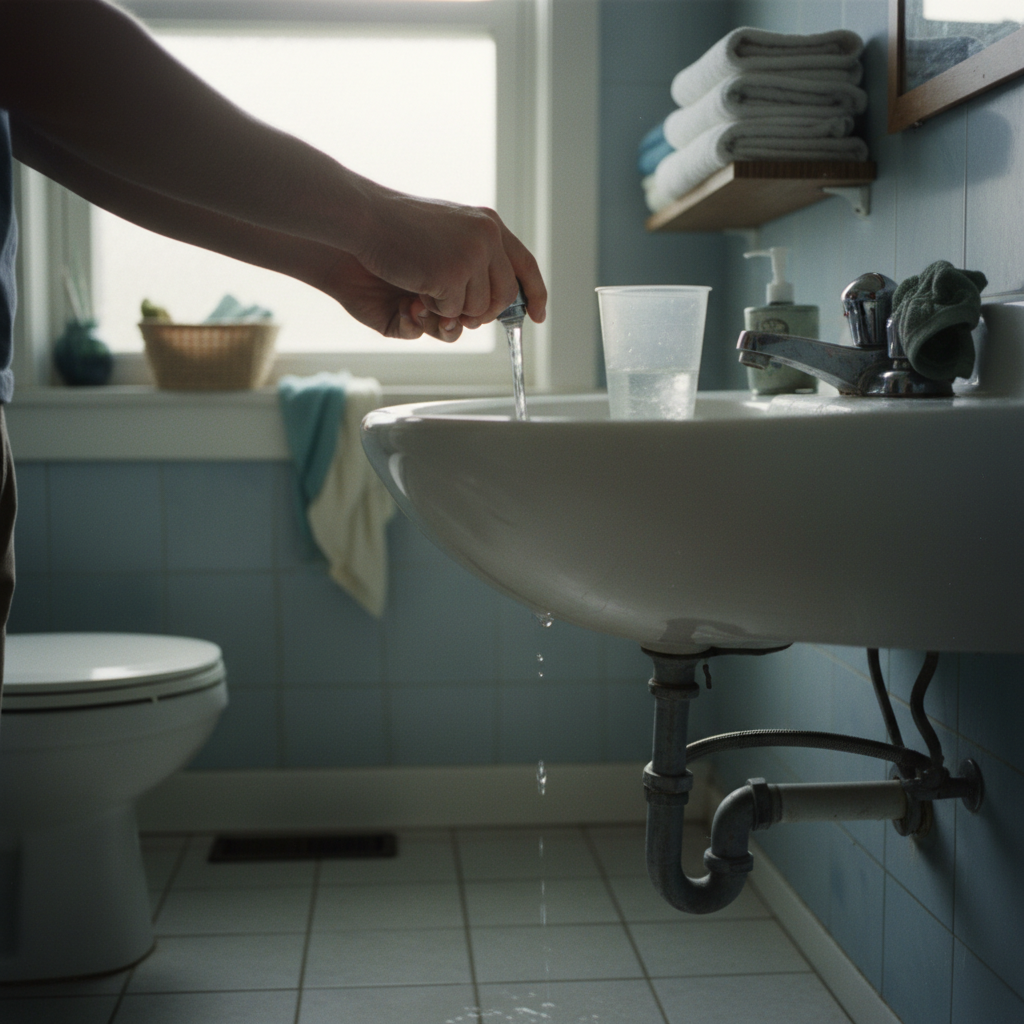
The “I’ll Just Leave It Running” Syndrome
Think about it: how often do you leave the water running while brushing your teeth? Or while shaving? Maybe you let the shower warm up for a few minutes before you step in, the water cascading down the drain, unused. These seem like small, insignificant acts. “It’s just a little bit of water,” we tell ourselves. But those little bits add up *fast*.
The Hidden Costs of “No Big Deal”
Let’s put some numbers on it. The average faucet flows at about 2 gallons per minute. Brushing your teeth for two minutes with the water running? That’s easily 4 gallons down the drain, potentially every single day. Shaving, with the water flowing continuously? Even more. A five-minute shower with a standard showerhead can use around 30 gallons. The average family in the U.S. uses about 300 gallons of water each day.
Consider a leaky faucet, the constant *drip, drip, drip* that keeps you awake at night. Even a slow drip can waste hundreds of gallons of water every year, increasing your utility bills. Water leaks can account for almost 12 percent of your water bill. Over time, these seemingly small habits can lead to a significant increase in your water bill, potentially costing you hundreds of dollars a year. And it’s not just about the money. Wasting water is wasting a precious resource.
Common Mistakes We Make (Without Realizing It)
So, what are we doing wrong? Here are some of the most common bathroom water-wasting habits:
* **Leaving the tap on while brushing or shaving:** This is a big one. It’s easy to do, but the water use adds up quickly.
* **Taking long showers:** We all love a good, long, hot shower, but it’s a major water guzzler. A typical shower uses 17 to 25 gallons.
* **Ignoring leaks:** A dripping faucet or a running toilet seems minor, but these can waste a surprising amount of water over time.
* **Pre-rinsing dishes (in the bathroom sink!):** If you’re using the bathroom sink to quickly rinse a dish, turn off the water when not in use.
Easy Bathroom Habit Changes: Start Saving Water Today
The good news is, you can easily change these habits and start saving water (and money!) today:
* **Turn off the tap:** This is the easiest fix. Turn off the water while brushing your teeth, shaving, or soaping up in the shower. Fill a glass with water to rinse your mouth while brushing or fill a small container to rinse your razor.
* **Time your showers:** Set a timer and aim for shorter showers. You’ll be surprised how quickly you can get clean.
* **Fix leaks immediately:** Don’t put off fixing a leaky faucet or a running toilet. It’s often a simple repair.
* **Install water-efficient fixtures:** Consider installing low-flow showerheads and faucet aerators. These can significantly reduce water consumption.
The Modern Lifestyle and Water Conservation
In today’s world, where environmental consciousness is growing, water conservation is more important than ever. Making these small changes in your bathroom routine isn’t just about saving money; it’s about being responsible. By adopting water-saving habits, you’re contributing to a more sustainable lifestyle.
These changes are easily integrated into a busy modern life. They don’t require a complete overhaul of your routine, just a few small adjustments. They’re also cost-effective. Many of the solutions, like fixing leaks or installing low-flow fixtures, have a quick return on investment.
The Long-Term Benefits: Saving, Safety, and Peace of Mind
The benefits of these simple habit changes extend far beyond a lower water bill.
* **Financial Savings:** Over time, the money you save on your water bill will add up.
* **Reduced Environmental Impact:** You’ll be using less of a valuable resource, helping to conserve water for future generations.
* **Preventing Water Damage:** Addressing leaks quickly prevents water damage to your home, which can lead to costly repairs.
* **Peace of Mind:** Knowing you’re being responsible with your water usage can bring a sense of satisfaction.
FAQs: Your Water-Saving Questions Answered
Here are some frequently asked questions about bathroom water conservation:
**1. How much water does the average person use per day?**
The average American uses about 80 to 100 gallons of water per day. This includes water used for drinking, cooking, bathing, flushing toilets, washing clothes and dishes, and outdoor activities like gardening.
**2. How much water does a leaky faucet waste?**
A dripping faucet can waste hundreds of gallons of water per year. Even a slow drip can add up quickly.
**3. What are the best ways to save water in the bathroom?**
Turn off the tap while brushing your teeth and shaving, take shorter showers, fix leaks promptly, and install water-efficient fixtures.
**4. Are low-flow showerheads effective?**
Yes! Low-flow showerheads can significantly reduce water consumption without sacrificing water pressure.
**5. How do I know if I have a leak in my toilet?**
Put a few drops of food coloring or a dye tablet in the toilet tank (but don’t flush). If the color appears in the bowl within 15-30 minutes, you have a leak.
**6. How much water does a running toilet waste?**
A running toilet can waste hundreds of gallons of water per day.
**7. What should I do if I suspect a leak I can’t find?**
Check your water meter. If you’ve turned off all the water-using appliances in your home and the meter is still running, you likely have a hidden leak. You may need to call a plumber.
**8. Is there anything else I can do to save water?**
You can also wash your hands with cold water instead of warm, which can save both water and energy.
By making these simple adjustments to your bathroom routine, you can make a real difference, both for your wallet and the environment. You can find more information about how to make smart changes here. While you are at it, consider checking the sound quality of the water running through your pipes!