
We all have them – those little routines, the things we do without thinking. They’re woven into the fabric of our day, from the moment we wake up until we finally switch off the lights at night. But some of these seemingly harmless habits, especially those concerning electricity, can quietly drain your wallet and even put your safety at risk. Let’s delve into these “unseen sparks” and how they can create big problems.
The Morning Rush and Its Electrical Fallout
Think about your morning. The alarm blares, you hit snooze (repeatedly), and then it’s a race against the clock. Coffee machine? Check. Phone charger? Plugged in, of course. Maybe the electric toothbrush is humming away. We’re a nation powered by electricity, and in the morning, we really show it. But this rush, this frantic need to get everything going at once, often leads to overlooked habits that can have consequences.
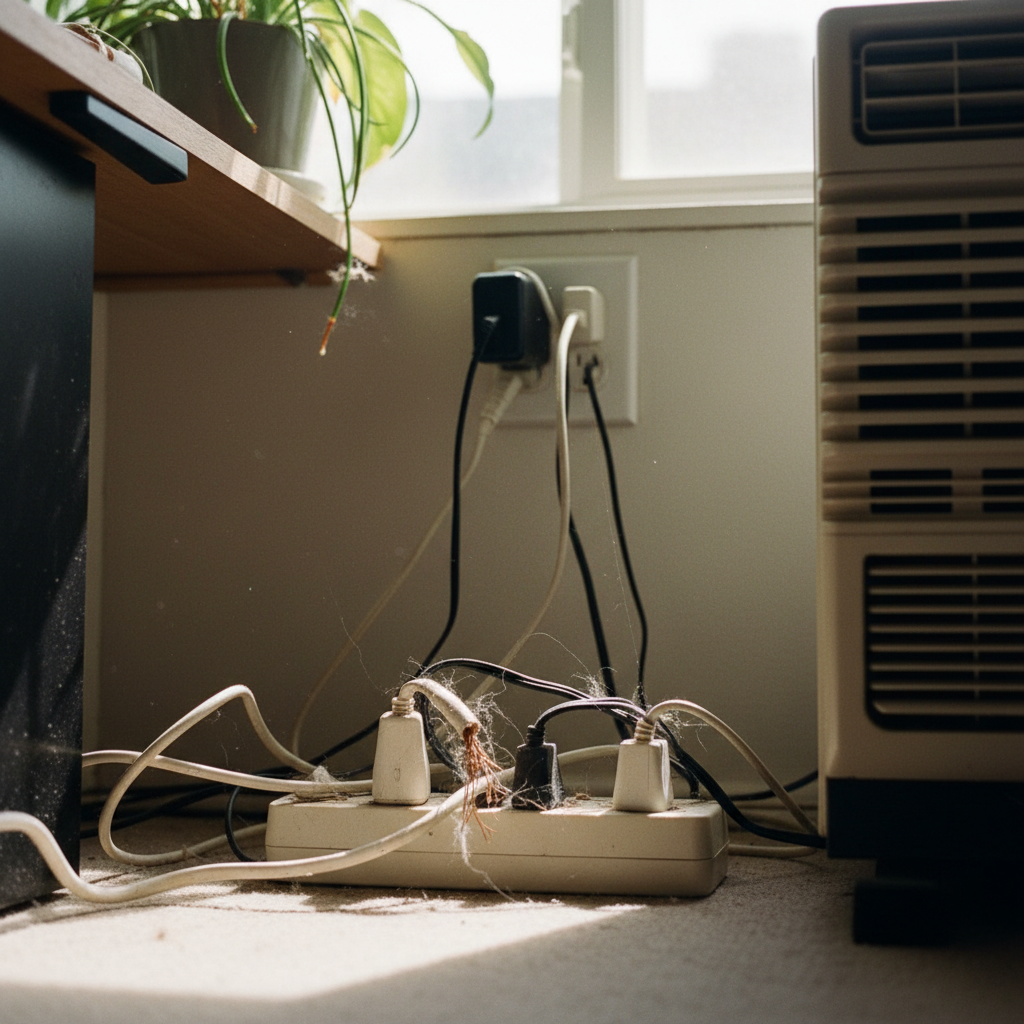
For instance, how many of us leave chargers plugged in even when our phones are fully charged? Or perhaps you’re one of those who plugs in multiple devices to one outlet, using an extension cord to reach that convenient spot? These habits, seemingly minor, can create a ripple effect, leading to increased electricity bills and potential safety hazards. It’s easy to dismiss them as insignificant, but over time, they add up.
The “Why Bother?” Mentality and Its Consequences
Why do we ignore these habits? Often, it’s a combination of factors. First, there’s the “out of sight, out of mind” principle. We don’t see the electricity being wasted, so we don’t feel the impact immediately. Second, there’s a lack of awareness. Many of us simply aren’t aware of the energy vampires lurking in our homes, those devices that continue to draw power even when turned off. And finally, there’s the “it won’t happen to me” mindset. We think, “Oh, it’s just one charger. It can’t possibly make a difference.”
But the difference is real. Leaving chargers plugged in, for example, consumes a small amount of electricity continuously. It’s called a phantom load, and while it might seem insignificant on a daily basis, it can add up to a noticeable amount over a month or a year. Overloaded outlets, another common mistake, can overheat and become a fire hazard.
Common Electrical Mistakes and How to Fix Them
Let’s look at some common electrical mistakes and how to rectify them:
- Leaving Chargers Plugged In: This is probably the most widespread habit. Unplug your phone, laptop, and other chargers when they are not in use.
- Overloading Outlets: Avoid plugging too many devices into a single outlet or power strip. If you need more outlets, have an electrician install them.
- Using Damaged Cords: Inspect cords regularly for fraying, cracks, or other damage. Replace damaged cords immediately.
- Ignoring Flickering Lights or Tripping Breakers: These are signs of a potential electrical problem. Call an electrician to diagnose and fix the issue.
- Using the Wrong Wattage Bulbs: Using a bulb with a higher wattage than the fixture allows can cause overheating. Always use the correct wattage.
Modern Lifestyle: The Amplification of Electrical Habits
Our modern lifestyle exacerbates these issues. We have more devices than ever before – smartphones, tablets, smart TVs, gaming consoles, and so on. All these devices require charging, and many of us have multiple chargers plugged in at any given time. We’re also working from home more, meaning more devices are running for longer periods. This increased reliance on electricity makes it even more important to be mindful of our electrical habits.
Moreover, the rise of smart home technology, while convenient, can also contribute to increased energy consumption if not managed carefully. Smart speakers, security systems, and other connected devices all draw power, even when seemingly idle. It’s crucial to be aware of the energy demands of these devices and to take steps to minimize their consumption.
Long-Term Benefits: Savings, Safety, and Peace of Mind
Changing your electrical habits can yield significant long-term benefits:
- Reduced Electricity Bills: Unplugging chargers, switching to LED bulbs, and being mindful of energy consumption can lead to substantial savings over time.
- Increased Safety: Addressing electrical hazards like overloaded outlets and damaged cords reduces the risk of fires and electrical shocks.
- Peace of Mind: Knowing you’ve taken steps to protect your home and family creates a sense of security.
The transition to these new habits doesn’t have to be drastic. It can be a gradual process, starting with small changes like unplugging a charger each day or inspecting your cords for damage. These small actions contribute to the greater good.
Simple Habit Changes for a Smarter, Safer Home
So, how do you break these bad habits and embrace a more energy-conscious lifestyle? Here are a few simple changes you can implement:
- Unplug Chargers: Make it a habit to unplug chargers when they’re not in use. Consider using a power strip with an on/off switch to make it easier to cut off power to multiple devices at once.
- Switch to LED Bulbs: LED bulbs consume significantly less energy than traditional incandescent bulbs and last much longer.
- Use Smart Power Strips: These power strips automatically cut off power to devices that aren’t in use, eliminating phantom loads.
- Regular Inspections: Inspect electrical cords, outlets, and appliances regularly for any signs of damage or wear and tear.
- Educate Your Family: Teach children and other family members about energy conservation and electrical safety.
The Modern Relevance of Smart Electrical Habits
In today’s world, where energy costs continue to rise, and environmental concerns are paramount, smart electrical habits are more relevant than ever. By adopting these habits, you’re not only saving money and protecting your home but also contributing to a more sustainable future. It’s a win-win scenario – a safer, more efficient home and a reduced carbon footprint.
It’s not about becoming a perfectionist overnight. It’s about making small, consistent changes that lead to significant results over time. It’s about being aware of the “unseen sparks” and taking steps to extinguish them before they turn into bigger problems.
If you’re looking for more ways to conserve energy and save money, you might find this article on The Silent Shower Thief: How Your Morning Routine is Draining Your Wallet and What You Can Do helpful.
Frequently Asked Questions (FAQ)
Here are some frequently asked questions about electrical habits and their impact:
- How much money can I really save by unplugging chargers?
The savings from unplugging chargers might seem small individually, but they can add up over time. While the exact amount depends on your electricity rates and the number of chargers you have, it’s generally a good practice to reduce phantom loads. - Are power strips safe?
Yes, power strips are safe, but it’s important to use them correctly. Avoid overloading them and choose power strips with built-in circuit breakers to protect against overloads. - How often should I have my electrical system inspected?
It’s recommended to have your electrical system inspected every few years, especially if your home is older. If you notice flickering lights, tripping breakers, or other issues, have it inspected sooner. - What are the signs of faulty wiring?
Signs of faulty wiring include flickering lights, frequently tripping breakers, warm outlets, and the smell of burning plastic. If you notice any of these signs, contact an electrician immediately. - Are LED bulbs really worth the investment?
Yes, LED bulbs are generally worth the investment. They use significantly less energy than incandescent bulbs and last much longer, resulting in long-term cost savings. - What should I do if an appliance gets wet?
If an appliance gets wet, do not touch it. Immediately go to your electrical panel and turn off the circuit breaker for that appliance. Then, unplug the appliance and have it inspected by a qualified professional. - Is it okay to use extension cords permanently?
No, extension cords should not be used as a permanent substitute for additional outlets. They are meant for temporary use and can become a safety hazard if used improperly.
By implementing these changes and being mindful of your electrical habits, you can create a safer, more energy-efficient home and reduce your electricity costs. Remember, it’s the small changes that make the biggest difference.