
We all have routines. The morning coffee, the evening news, the weekend movie marathon. These seemingly small, everyday habits define our lives and, often without us realizing it, can have a significant impact on our safety and well-being. Today, we’re diving into how those everyday electrical habits might be putting you at risk.
## The Morning Wake-Up Call and the Evening Wind-Down: Your Daily Dance with Electricity
Think about your typical day. You wake up, switch on the bedside lamp, and maybe plug in your phone to charge. You brew coffee, using an electric kettle or coffee maker. Throughout the day, lights, computers, TVs, and various appliances hum along, providing comfort and convenience. Evenings involve similar activities: charging devices, watching TV, and maybe a final check of the house before bed.
These are the moments when we interact the most with electricity, often without a second thought. But are we truly aware of the potential risks lurking beneath the surface of these seemingly harmless interactions?
## Why We Ignore the Silent Threat: The “It Won’t Happen to Me” Mentality
The truth is, many of us take electricity for granted. We assume that our homes are safe, our appliances are reliable, and electrical problems are something that happens to “other people.” This “it won’t happen to me” mentality, coupled with a lack of understanding about electrical systems, creates a dangerous blind spot. We become complacent, ignoring potential warning signs and overlooking simple safety precautions.
We’re busy. We have a million things on our minds. Checking electrical cords, outlets, and appliances regularly feels like an unnecessary chore. Many believe if the lights turn on, everything is working fine.
## The Hidden Dangers: What You Can’t See Can Hurt You
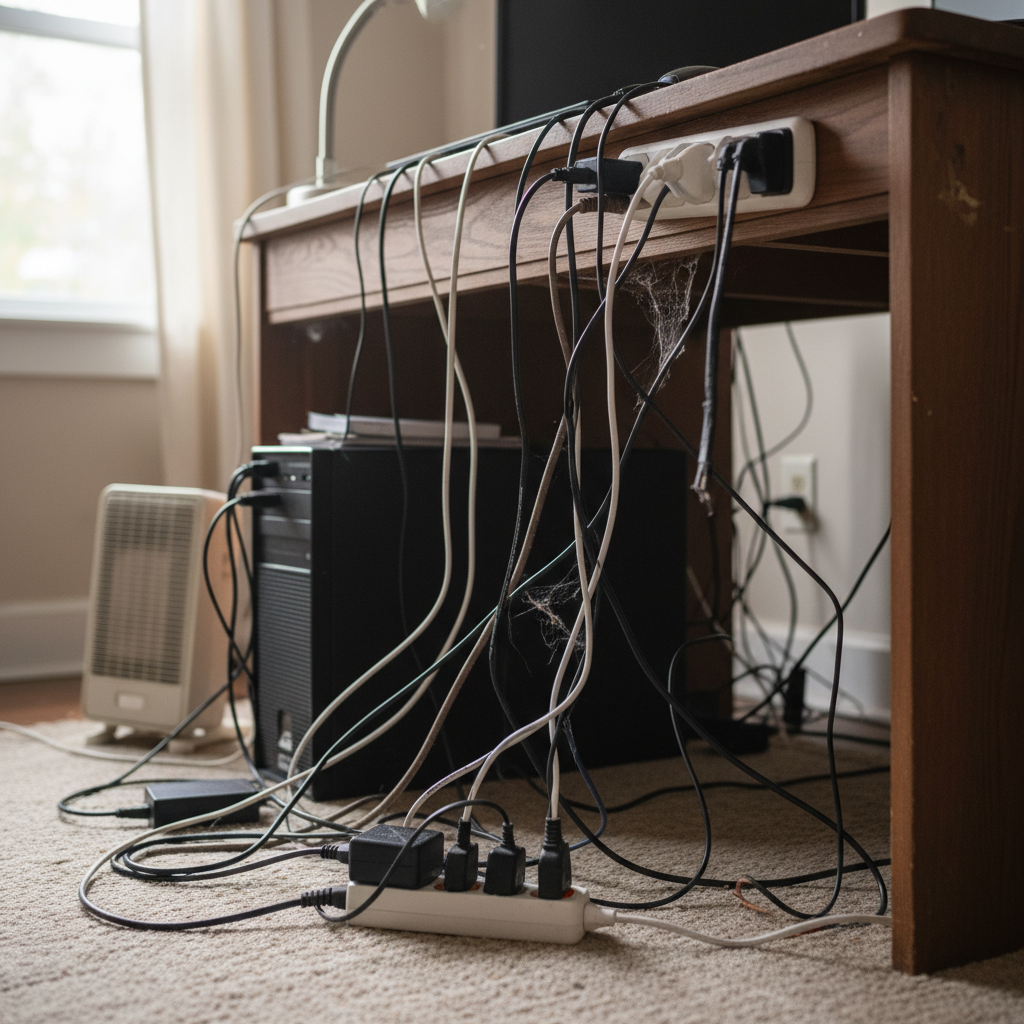
The scary thing about electrical problems is that many of the most dangerous issues are invisible. Here’s a breakdown of some hidden hazards:
* **Overloaded Circuits:** Plugging too many devices into one outlet or power strip is a common mistake. This can cause the wires in your walls to overheat, potentially leading to a fire.
* **Frayed or Damaged Cords:** Cords get stepped on, pinched, and worn over time. Damaged cords expose live wires, creating a shock hazard.
* **Loose Connections:** Loose outlets and wiring can cause arcing, which generates heat and can ignite nearby materials.
* **Outdated Wiring:** Older homes may have wiring that isn’t up to modern safety standards. Aluminum wiring, for example, can be a fire hazard.
* **”Phantom Loads”:** Many electronics continue to draw power even when turned off (vampire power). This wastes energy and can overload circuits over time.
* **Water and Electricity:** A deadly combination. Using appliances near water sources (sinks, tubs) or in damp areas can lead to electrocution.
## Common Mistakes: The Little Things That Can Lead to Big Problems
We all make mistakes. Here are a few common ones that can increase your electrical risk:
* **Using Extension Cords Incorrectly:** Extension cords are for temporary use only. Using them as a permanent solution is a recipe for overload and potential fire.
* **Ignoring Warning Signs:** Flickering lights, buzzing sounds, a burning smell, or frequently tripped breakers are all red flags. Ignoring these signals could be disastrous.
* **DIY Electrical Work:** Unless you are a licensed electrician, avoid doing your own electrical work. Mistakes can be dangerous and costly.
* **Overlooking Outlet Safety:** Not having GFCI outlets in kitchens and bathrooms can be a serious safety issue.
## Simple Changes, Big Impact: How to Make Your Home Safer
The good news is that you can take steps to mitigate these risks with simple changes to your daily routine:
* **Unplug appliances when not in use:** This eliminates phantom loads and saves energy.
* **Inspect cords regularly:** Look for damage and replace cords when needed.
* **Don’t overload outlets:** Spread out your devices and avoid plugging multiple high-wattage appliances into a single outlet or power strip.
* **Use power strips with surge protection:** This can protect your electronics from power surges.
* **Test GFCI outlets monthly:** These outlets are designed to protect you from electric shock.
* **Replace old or damaged outlets and switches:** Worn-out components can be a fire hazard.
* **Consider LED lightbulbs:** They use less energy than traditional bulbs.
The [The Unseen Cost: Why Your Simple Electrical Habits Might Be a Problem](https://go-cittrusburn.info/the-unseen-cost-why-your-simple-electrical-habits-might-be-a-problem/) article offers more helpful tips.
## Modern Relevance: Safety in a Tech-Driven World
Our homes are becoming increasingly reliant on electricity. We have more gadgets, appliances, and smart home devices than ever before. This increased demand puts a greater strain on our electrical systems, making safety precautions even more critical. With the rise of electric vehicles and home charging stations, electrical safety is more crucial than ever. Ensuring your home’s electrical system can handle the increased load is key to preventing accidents.
## Long-Term Benefits: Savings, Safety, and Peace of Mind
Implementing these simple habit changes has far-reaching benefits:
* **Financial Savings:** Using energy-efficient appliances and unplugging devices can lower your electricity bill.
* **Increased Safety:** Reducing the risk of electrical fires and shocks protects your family and your property.
* **Peace of Mind:** Knowing that your home is safe and that you’re taking proactive steps to protect yourself and your loved ones provides invaluable peace of mind.
* **Reduced Environmental Impact:** Conserving electricity helps reduce your carbon footprint and supports a more sustainable future.
## Frequently Asked Questions
**1. How often should I have my home’s electrical system inspected?**
It’s recommended to have a professional inspection every 10 years, or when you move into a new home. In rental properties, it’s recommended to have electrical inspections every five years or with a change of tenancy.
**2. What are the warning signs of an electrical problem?**
Look out for flickering lights, buzzing sounds, a burning smell, frequently tripped breakers, warm outlets or switches, and any signs of sparking.
**3. Should I use extension cords for permanent wiring?**
No. Extension cords are for temporary use only. They are not designed to handle the continuous electrical load of permanent wiring.
**4. How do I know if an outlet is overloaded?**
If you’re plugging in many devices and the outlet or power strip feels warm, or if your circuit breaker frequently trips, you might be overloading the outlet.
**5. What’s the difference between a GFCI and an AFCI outlet?**
GFCI outlets protect against electrical shock, typically in areas near water (bathrooms, kitchens). AFCI outlets protect against fires caused by arc faults, which can happen anywhere in the home.
**6. Can I do electrical work myself?**
While some minor tasks are okay, electrical work can be dangerous. It’s best to hire a licensed electrician for most electrical projects to ensure safety and code compliance.
**7. How can I save money on my electric bill?**
Simple steps include switching to LED light bulbs, unplugging electronics when not in use, and adjusting your thermostat. Consider using power strips, which automatically power off devices, saving energy and money.
**8. Where should I never use extension cords?**
Never use extension cords outdoors unless they are specifically designed for outdoor use. Also, avoid using them in high-traffic areas where they can be a tripping hazard.
## Final Thoughts: A Proactive Approach to a Safer Home
Electrical safety isn’t about fear; it’s about awareness and proactive measures. By making small changes to your everyday electrical habits, you can significantly reduce your risk and create a safer environment for yourself and your loved ones. Take a moment today to assess your home’s electrical safety and implement the changes that can make a real difference. Remember, safety first!