
It was a Tuesday evening, and I was in a hurry to heat up some leftovers. I popped the container in, set the timer, and pressed start. A few seconds in, there was a *snap*, followed by a flash of light and a dead silence. My microwave, the unsung hero of countless quick meals, had given up the ghost. Sound familiar? We’ve all been there. Microwaves are so ubiquitous in our lives that we often take them for granted. But like any appliance, they need a little TLC to keep humming along.
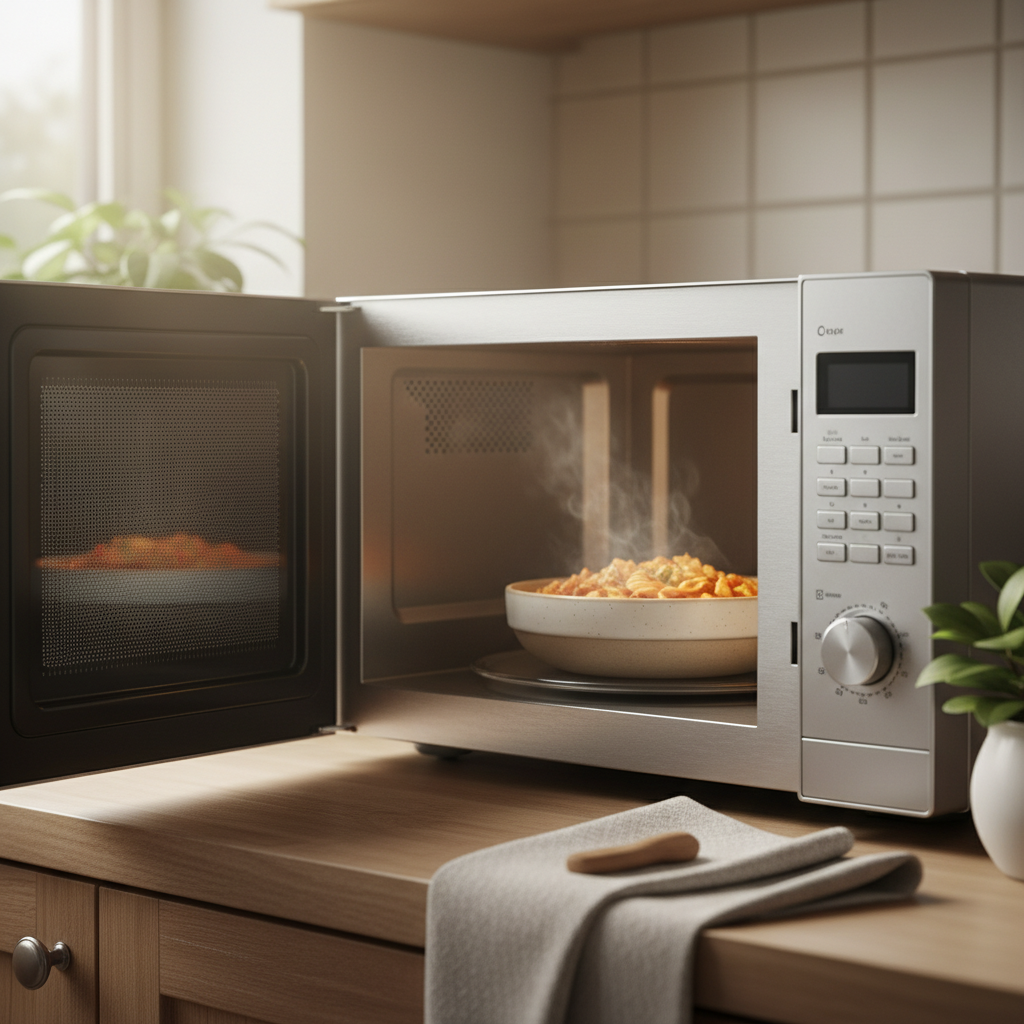
In this guide, we’ll delve into the world of microwave care, exploring common problems, easy fixes, and the simple habits that can extend the life of this kitchen workhorse.
## Why Your Microwave Acts Up
Microwaves are pretty straightforward machines. They use electromagnetic radiation to heat food, exciting water molecules and causing them to generate heat. But even with their simple design, things can go wrong. Most issues stem from a few key areas:
* **Food Splatters and Buildup:** This is the number one culprit. Food particles can carbonize, leading to sparks, smells, and even damage.
* **Door Issues:** The door must create a tight seal for the microwave to work safely. Problems with the latch, hinges, or seal can prevent it from starting or cause it to malfunction.
* **Electrical Problems:** Power surges, blown fuses, or faulty components can all lead to a microwave that won’t heat or turn on.
* **Mechanical Wear and Tear:** Over time, the turntable motor, control panel, and other moving parts can wear out.
## Common Mistakes People Make
We’re all guilty of a few microwave missteps. Here are some of the most common habits that can shorten your microwave’s lifespan:
* **Neglecting Cleaning:** Letting food splatters and spills accumulate is the fastest way to damage your microwave.
* **Using Improper Cookware:** Metal, foil, and some plastics can cause sparks and damage. Always use microwave-safe dishes.
* **Overcooking or Overheating:** Running the microwave for extended periods, especially with nothing inside, can stress its components.
* **Ignoring Unusual Noises or Smells:** A buzzing, sparking, or burning smell is a sign of a problem that needs immediate attention.
* **Blocking the Vents:** Placing items on top of the microwave or against its sides can restrict airflow, leading to overheating.
## Simple Maintenance and Care Tips
Fortunately, keeping your microwave in good shape doesn’t require a lot of effort. Here are some easy habits to adopt:
* **Clean Regularly:** Wipe down the interior after each use, or at least weekly. Use a damp cloth or sponge with a mild dish soap.
* **Steam Clean:** For stubborn messes, microwave a bowl of water with a tablespoon of vinegar or lemon juice for 3-5 minutes. The steam will loosen food particles.
* **Use Covers:** Cover food to prevent splatters. Microwave-safe covers or even paper towels can do the trick.
* **Check the Door:** Make sure the door seals tightly and latches properly. Clean the door and surrounding areas regularly.
* **Ventilation is Key:** Ensure the vents on the microwave are not blocked.
* **Read the Manual:** Familiarize yourself with your microwave’s specific features and cleaning instructions.
* **Unplug Before Cleaning:** Always unplug the microwave before cleaning to avoid electrical hazards.
For more tips on keeping your refrigerator in top shape, check out “The Unsung Hero of the Kitchen: Your Refrigerator’s Well-being”.
## When to Fix It Yourself vs. Call a Professional
Some microwave issues are easily fixed at home, while others require professional help. Here’s a quick guide:
**DIY Fixes:**
* Cleaning the interior and exterior.
* Replacing the light bulb (if applicable).
* Checking the fuse (after unplugging the unit).
* Resetting the control panel (unplug for a few minutes).
* Cleaning around the door and latch.
**Call a Professional When:**
* The microwave won’t turn on at all.
* There are sparks or smoke.
* You smell burning plastic or other concerning odors.
* The magnetron or other internal components are faulty.
* You’re not comfortable working with electrical components.
## Seasonal Relevance: Microwave Care Throughout the Year
Microwave care doesn’t change drastically with the seasons, but a few things are worth noting:
* **Summer:** With more outdoor cooking, you might rely on your microwave less, but be mindful of food safety. Don’t let leftovers sit out for too long before reheating.
* **Monsoon:** Humidity can affect the electronics in your microwave over time. Ensure proper ventilation and consider running the microwave occasionally to keep components dry.
* **Winter:** Cold weather shouldn’t directly impact your microwave, but it’s a good time to give it a thorough cleaning and inspection before heavier use during the holiday season.
## Long-Term Prevention Habits
Making these habits a part of your routine will significantly extend your microwave’s life:
* **Immediate Action:** Address spills and splatters immediately. Don’t let them bake on.
* **Use the Right Cookware:** Stick to microwave-safe dishes only.
* **Avoid Overuse:** Give your microwave a break. Don’t run it constantly for long periods.
* **Regular Inspections:** Periodically check the door seal, hinges, and vents.
* **Proper Placement:** Ensure the microwave has adequate space around it for ventilation.
* **Gentle Operation:** Open and close the door gently to avoid damaging the latch.
To learn more about maintaining your appliances, you can visit the [Homepage].
## FAQ: Your Microwave Questions Answered
Here are some frequently asked questions about microwave care:
**1. How often should I clean my microwave?**
Aim to clean your microwave after each use, or at least once a week. The more you use it, the more often it needs cleaning.
**2. What’s the best way to clean a microwave?**
A simple method is to microwave a bowl of water with vinegar or lemon juice for a few minutes to create steam. Then, wipe the interior with a damp cloth.
**3. Why is my microwave sparking?**
Sparking is usually caused by using metal cookware or letting food particles carbonize. Remove the metal object immediately and clean the interior thoroughly.
**4. My microwave won’t heat. What should I do?**
Check if it’s plugged in and the outlet is working. Also, check that the door is closing completely. If those are fine, the issue might be internal, and you should call a professional.
**5. Can I put aluminum foil in the microwave?**
No. Aluminum foil can cause sparks and damage the microwave.
**6. What should I do if something is stuck on inside my microwave?**
Use the steam method with water and vinegar or lemon juice. Let the steam loosen the food, then wipe it away with a cloth.
**7. What kind of cleaner should I use on my microwave?**
A mild dish soap and water solution is usually sufficient for most cleaning needs. Avoid harsh chemicals or abrasive cleaners.
**8. How can I get rid of bad smells in my microwave?**
The steam method with lemon juice or vinegar is effective. You can also place a bowl of baking soda inside the microwave overnight to absorb odors.
Taking care of your microwave is a small investment of time and effort that pays off in the long run. By following these simple tips, you can keep your microwave humming along, ready to tackle any quick meal or leftover craving that comes your way.