
We all have them: those little things we do every day without a second thought. They’re woven into the fabric of our routines, the silent players in the game of daily life. But what if these seemingly insignificant habits are secretly costing you money, or worse, putting your safety at risk? Today, let’s talk about something many of us do multiple times a day: washing the dishes. It seems harmless, right? But the truth is, your dishwashing habits could be quietly draining your wallet and even posing a potential hazard.
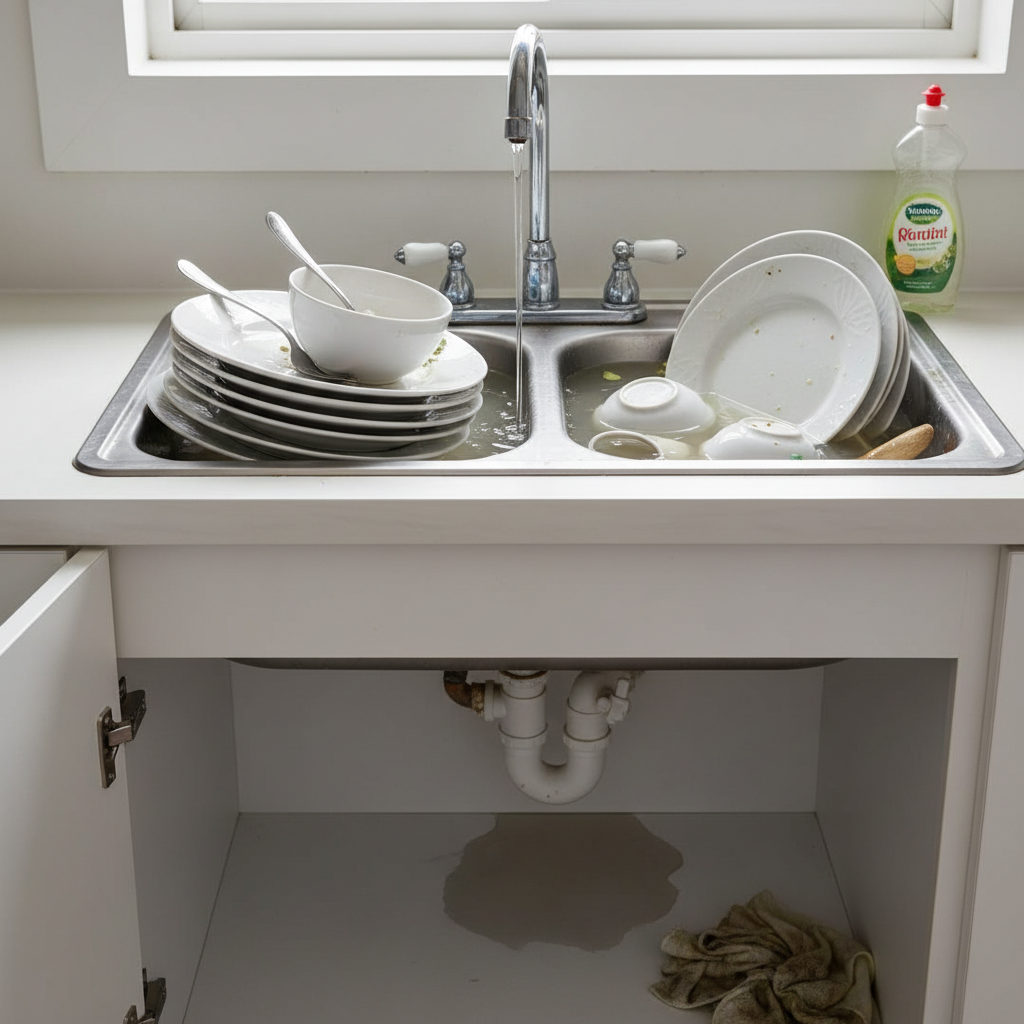
The Everyday Ritual and the Hidden Costs
Think about your typical day. You wake up, make breakfast, and then… the dishes pile up. Maybe you load the dishwasher, or maybe you’re a hand-washer. Either way, it’s a routine, a quick task. We rarely stop to think about the energy and resources involved. But let’s pull back the curtain and reveal what’s really going on.
The biggest culprit? Electricity. Dishwashers, even the most energy-efficient ones, consume a significant amount of power. Depending on the model, a single cycle can use between 1.5 and 2 kilowatt-hours (kWh). With electricity rates, you could be spending roughly $0.20 to $0.26 each time you run a full cycle. Over the course of a month, running the dishwasher daily can add up to $7-$9.
And it’s not just electricity. Water usage is another factor. Modern dishwashers are designed for efficiency, using around 3 gallons of water per load. While this is generally less than hand washing, it still contributes to your water bill. Add to this the cost of dish soap, and you’re looking at a recurring expense you might not have fully considered.
The Unseen Pitfalls: Mistakes We Make
So, what are the common dishwashing mistakes that amplify these costs? Let’s dive in:
* **Pre-rinsing:** This is a big one. Many people believe they need to pre-rinse dishes before loading them into the dishwasher. However, modern dishwashers are designed to handle food particles. Pre-rinsing wastes water and energy. Scrape off the big chunks, but skip the full rinse.
* **Running Half-Full Loads:** It might seem like you’re saving water, but you’re actually wasting energy. A half-full dishwasher uses nearly the same amount of electricity and water as a full one. Wait until you have a full load before running the machine.
* **Using the Wrong Cycle:** Not all cycles are created equal. The “heavy-duty” or “pots and pans” cycle uses more energy and water than a quick or eco cycle. Choose the right cycle for the job.
* **Ignoring Maintenance:** A dirty dishwasher is an inefficient dishwasher. Clogged filters and spray arms can reduce cleaning effectiveness, forcing you to rewash dishes or use more detergent. Clean your dishwasher regularly according to the manufacturer’s instructions.
* **Overloading Outlets**: Never overload outlets when the dishwasher is plugged into it. Overloading outlets can cause fire hazards.
Smart Swaps: Simple Habit Changes
The good news is that you can make simple changes to your dishwashing habits to save money and energy. Here’s how:
* **Embrace the Scrape, Skip the Rinse:** Scrape food scraps into the trash or compost bin, but don’t pre-rinse. Trust your dishwasher to do its job.
* **Load Strategically:** Learn how to load your dishwasher efficiently. Make sure dishes aren’t blocking spray arms.
* **Run Full Loads Only:** Wait until your dishwasher is full before starting a cycle. This maximizes efficiency.
* **Choose the Eco Cycle:** The eco cycle is designed to use less energy and water while still getting your dishes clean.
* **Regular Maintenance:** Clean the dishwasher filter and spray arms regularly. Follow the manufacturer’s instructions for other maintenance tasks.
* **Unplug when not in use**: Unplug the dishwasher when not in use.
Modern Life and Dishwashing: Staying Relevant
In today’s fast-paced world, convenience is key. We rely on appliances to save time and effort. The dishwasher is a prime example of this. However, it’s also important to be mindful of the costs and potential hazards associated with this convenience. By making a few small adjustments to your habits, you can enjoy the benefits of a dishwasher while minimizing its impact on your wallet and the environment.
Consider this: According to the USFA, in 2021, an estimated 24,200 residential building electrical fires were reported to United States fire departments. Simple electrical safety habits are key to help avoid these tragedies.
And remember that there is no time like the present to start implementing smart habits. Check out The Laundry Loophole: How Small Washing Machine Habits are Costing You for other ways to save money and be more efficient in the home.
Long-Term Benefits: Savings, Safety, and Peace of Mind
The benefits of adopting smart dishwashing habits go beyond just saving a few dollars. Here’s what you can look forward to:
* **Reduced Energy Bills:** By using less electricity and water, you’ll see a noticeable decrease in your monthly bills.
* **Extended Appliance Life:** Proper maintenance and usage can help your dishwasher last longer, saving you money on replacements.
* **Reduced Environmental Impact:** Using less water and energy is good for the planet.
* **Peace of Mind:** Knowing you’re using your appliances efficiently can reduce stress and worry.
* **Increased Safety:** Proper appliance use and maintenance reduces the risk of electrical fires. Remember to never overload electrical outlets. Always ensure that appliances have enough space around them so that air can circulate properly and prevent overheating.
FAQ: Your Dishwashing Questions Answered
Here are some frequently asked questions about dishwashing habits:
1. **Is it cheaper to wash dishes by hand or use a dishwasher?**
It depends. Modern dishwashers are often more efficient than handwashing, especially if you consider the water used to heat the water. However, it is possible that handwashing is more efficient if the correct habits are followed.
2. **How much does it cost to run a dishwasher?**
The cost varies depending on your electricity rates, the dishwasher’s efficiency, and the cycle you choose. On average, you could be spending roughly $0.20 to $0.26 each time you run a full cycle.
3. **How often should I clean my dishwasher?**
Clean your dishwasher regularly, at least once a month.
4. **What’s the best way to load a dishwasher?**
Consult your dishwasher’s manual for the best loading practices. Avoid blocking spray arms and ensure dishes are positioned to receive direct water flow.
5. **Should I pre-rinse my dishes?**
No. Modern dishwashers are designed to handle food particles. Pre-rinsing wastes water and energy.
6. **How can I make my dishwasher more energy-efficient?**
Run full loads, use the eco cycle, and maintain your dishwasher regularly.
7. **What if my dishwasher smells bad?**
A smelly dishwasher is often a sign of mold or mildew. Clean the dishwasher thoroughly, including the filter and spray arms.
8. **Where can I find an energy-efficient dishwasher?**
Look for the ENERGY STAR label when shopping for a new dishwasher. These models are designed to use less energy and water.
By understanding the impact of your dishwashing habits and making a few simple changes, you can save money, conserve resources, and protect yourself. It’s a small change with a big impact, a testament to the power of mindful living.