
It was a scorcher of a summer day. The kind where the air itself feels thick, and the only escape is the blessed hum of the air conditioner. Suddenly, it stopped. No more cool air, just the whirring of the fan and a growing sense of dread. Sound familiar? We’ve all been there.
Air conditioners are workhorses, especially in places where the heat and humidity are relentless. We rely on them to keep our homes comfortable, and often, we don’t think about them until they stop working. That’s when the panic sets in. Over my years, I’ve seen countless AC units fail, and I’ve learned a lot about what causes these breakdowns and, more importantly, how to prevent them.
Why Air Conditioners Fail: The Usual Suspects
Let’s face it, your AC unit is a complex piece of equipment. But a lot of the common problems we face with them boil down to a few key areas:
- Dirty Filters: This is, hands down, the most frequent offender. A clogged filter restricts airflow. It makes the unit work harder, decreases its efficiency, and can even freeze the evaporator coil. Think of it like trying to breathe through a plugged nose.
- Refrigerant Leaks: Your AC uses refrigerant (Freon, etc.) to cool the air. Leaks are a common issue, and the unit won’t cool efficiently if it doesn’t have enough. This is usually something that needs a professional to diagnose and fix.
- Blocked Drain Lines: The AC unit pulls moisture out of the air. This water drains out through a drain line. If this line gets blocked with algae or dirt, the water can back up, potentially causing water damage.
- Electrical Issues: Motors burn out, capacitors fail – electrical problems are part and parcel of any appliance with moving parts. Power surges can also wreak havoc.
- Lack of Maintenance: This is the biggest underlying problem. Regular check-ups and upkeep can catch a lot of the issues listed above before they become major headaches.
Common Mistakes People Make with Their AC
We’re all guilty of these at some point.
- Ignoring the Filter: The filter is the unsung hero, yet it’s often forgotten. Many people don’t change the filter regularly, or they don’t even know where it is.
- Setting the Thermostat Too Low: Thinking you can cool a room faster by setting the thermostat to a lower temperature is a common misconception. It doesn’t work that way, and it just makes your AC work harder and use more energy.
- Ignoring Strange Noises: If your AC starts making unusual sounds – banging, hissing, or gurgling – don’t ignore it. These are often early warning signs of a bigger problem.
- Not Scheduling Regular Maintenance: People often wait until something breaks to call a technician. Regular maintenance can catch small problems before they become major ones.
- Closing Vents in Unused Rooms: You might think this saves energy, but it can actually put more strain on your system. It can also lead to uneven cooling throughout your home.
Simple Maintenance and Care Tips
Here’s what I’ve learned over the years about keeping your AC running smoothly:
- Filter Changes: This is the most crucial task. Check your filter monthly, especially during peak cooling seasons. Change it every 1-3 months, depending on your usage and the type of filter.
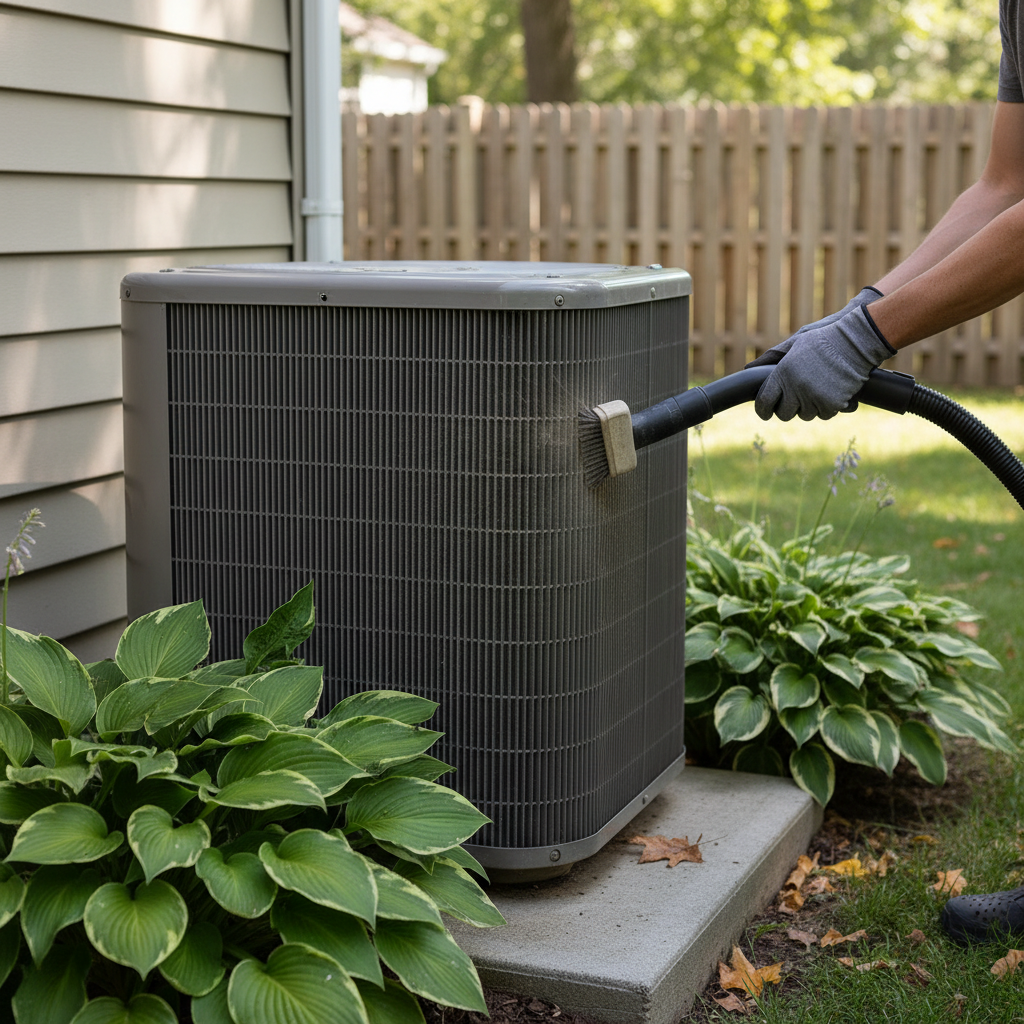
- Clean the Coils: The condenser coils outside need to be kept clean. Dirt and debris can restrict airflow. Once a year, gently clean the outside unit with a soft brush or vacuum.
- Clear the Drain Line: Pour a cup of diluted bleach or vinegar down the drain line a couple of times during the cooling season to prevent algae growth.
- Check for Leaks: Keep an eye out for water leaks around the unit. If you see water where it shouldn’t be, there’s a problem.
- Keep the Area Around the Outdoor Unit Clear: Trim bushes and remove any debris that could block airflow around the outdoor unit.
- Use a Programmable Thermostat: This helps regulate your home’s temperature, even when you aren’t home. This can reduce energy consumption.
When to Fix it Yourself vs. Call a Professional
There are some things you can handle yourself, and some you absolutely should not. Here’s a quick guide:
- DIY:
- Changing the filter.
- Cleaning the condenser coils (with care).
- Clearing the drain line.
- Checking and resetting the circuit breaker.
- Call a Professional:
- If you suspect a refrigerant leak.
- If the unit isn’t cooling, even after you’ve changed the filter.
- If you hear strange noises.
- For any electrical problems.
Seasonal Relevance
Air conditioner care isn’t a one-time thing. It’s an ongoing process, and the seasons impact your AC in different ways:
- Summer: This is the peak season for AC use, so pay close attention. Change filters regularly, keep the area around the outdoor unit clear, and watch for any signs of trouble. This is also when you’ll notice problems the most.
- Monsoon: The monsoon season can bring high humidity, which makes your AC work harder. Ensure your drain line is clear to prevent water damage.
- Winter: If you live in an area with freezing temperatures, consider covering your outdoor unit to protect it from the elements. Turn off the AC and consider cleaning it before you start using it again next summer.
Long-Term Prevention Habits
Beyond the basics, here are some habits that can extend the life of your AC and save you money in the long run:
- Professional Tune-Ups: Schedule a professional tune-up at least once a year, preferably before the cooling season. A technician can identify and fix potential problems before they become major issues.
- Insulate Your Home: Proper insulation helps keep your home cool in the summer and warm in the winter. This reduces the workload on your AC.
- Use Curtains and Blinds: Close curtains and blinds during the hottest part of the day to reduce the amount of heat entering your home.
- Consider Smart Home Technology: Smart thermostats and other home automation systems can help you manage your AC more efficiently.
- Regularly check your electricity bills. If you notice a sudden jump in your bill without a change in usage, it could be a sign of your AC working harder than it should.
By adopting these habits, you can keep your cool and enjoy a comfortable home, and potentially, slash your electric bill as well.
Frequently Asked Questions
Here are some of the most common questions I get about air conditioners:
- How often should I change my AC filter?
I recommend checking your filter monthly and changing it every 1-3 months, depending on your usage and the type of filter you have. - My AC is blowing warm air. What’s wrong?
This could be caused by several things: a dirty filter, a refrigerant leak, or a problem with the compressor. First, check and change the filter. If that doesn’t work, call a professional. - Why is my AC freezing up?
A frozen AC unit is often caused by restricted airflow, usually from a dirty filter. It could also be a refrigerant leak or a problem with the blower motor. - How can I make my AC more energy-efficient?
Change your filter regularly, use a programmable thermostat, keep your home insulated, and close curtains during the hottest part of the day. - How long does an air conditioner typically last?
With proper maintenance, an AC unit can last 10-15 years. - Can I clean the AC coils myself?
Yes, you can, but do it carefully. Turn off the power to the unit, and use a soft brush or vacuum to clean the coils. Be gentle to avoid damaging them. - What’s the best temperature to set my AC to?
The ideal temperature depends on your personal preference. However, setting the thermostat to 78°F (25°C) is often recommended as a balance between comfort and energy efficiency. - Should I turn off my AC when I leave the house?
It depends. For short trips, it’s generally more efficient to leave it on at a slightly higher temperature. For longer absences, you can turn it off or set the thermostat to a higher temperature.
Owning an air conditioner doesn’t have to be a source of stress. With a little care and attention, you can keep your home cool and your wallet happy. So take the time to learn the basics, and you’ll be well-equipped to handle any AC challenges that come your way.
Remember, regular maintenance isn’t just about avoiding costly repairs; it’s about making sure you’re comfortable when the summer heat arrives. It’s also about peace of mind, knowing that your AC is ready to do its job, day in and day out.