
We all have our routines. Wake up, make coffee, maybe flip on the TV while getting ready. These little rituals define our days, making us feel comfortable and in control. But what if I told you that some of these everyday habits are silently draining your wallet? Not in a dramatic, “break the bank” way, but steadily, persistently. I’m talking about “phantom power,” the electricity your appliances consume even when they’re “off.” It’s a sneaky expense that most of us overlook.
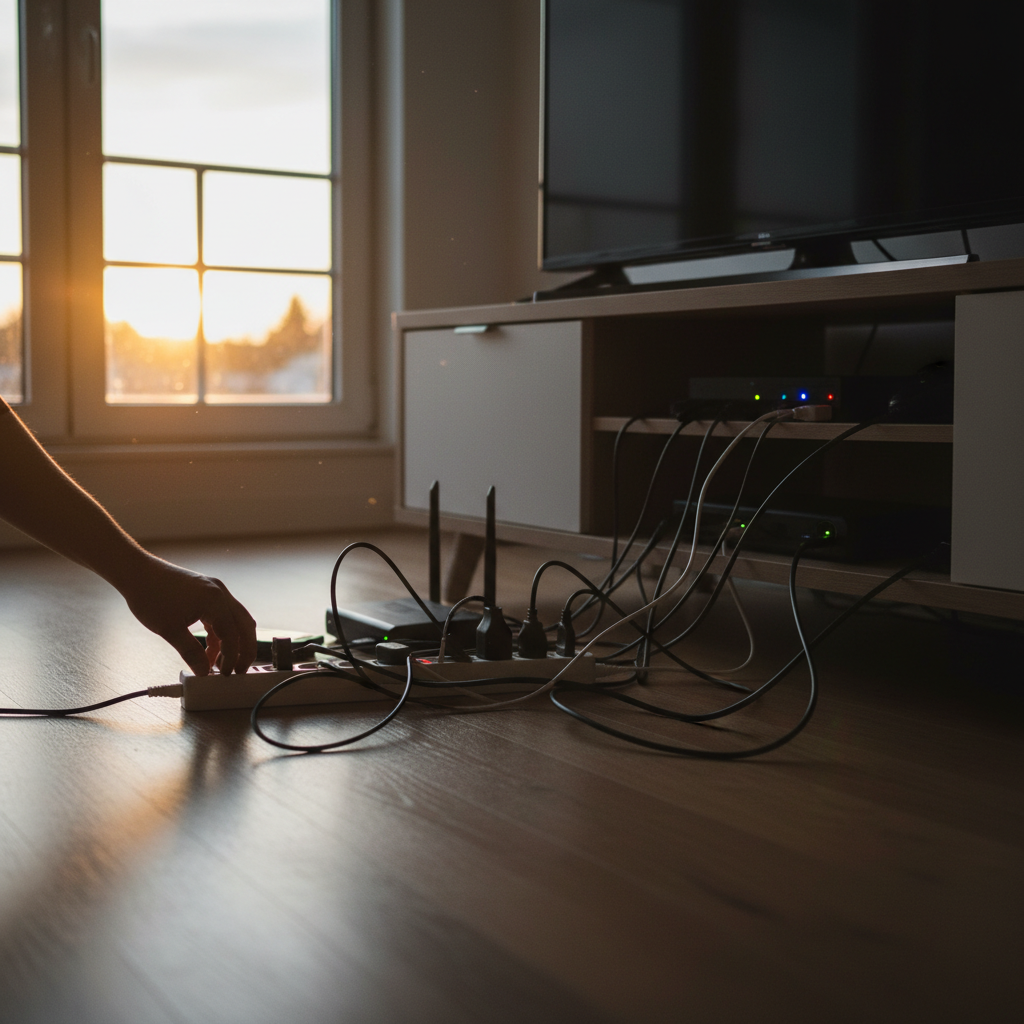
The Habit: Leaving Things Plugged In
Think about your daily life. How many devices are constantly plugged in? Your phone charger, laptop, TV, microwave, coffee maker, gaming consoles – the list goes on. We’ve become so accustomed to the convenience of having everything ready to go that we rarely consider the cost of this readiness. We plug it in, use it, and then…leave it plugged in. And that, my friend, is where the problem starts.
Why We Ignore It
There are a few reasons why we tend to overlook phantom power. First, it *seems* insignificant. One charger? Not a big deal. But multiply that by all the devices in your home, and then multiply that by 24 hours a day, 365 days a year. Suddenly, it adds up. Second, we’re busy! We have a million things on our minds. Unplugging things feels like a chore, an extra step in an already packed schedule. Finally, we often lack awareness. We simply don’t *see* the energy being used, so we don’t think about it.
The Hidden Problems
The impact of phantom power extends beyond just a slightly higher electricity bill. Here’s a breakdown of the hidden problems it creates:
- Increased Energy Bills: This is the most obvious consequence. Even small amounts of power consumption add up over time. According to estimates, phantom power can account for as much as 10% of your household’s electricity bill. In 2026, with the average U.S. electricity bill around $165 per month, that’s potentially $16.50 a month, or almost $200 a year, wasted on energy you aren’t even using.
- Environmental Impact: Every kilowatt-hour of electricity used contributes to greenhouse gas emissions. The more electricity we use, the larger our carbon footprint becomes.
- Potential Fire Hazards: Though rare, faulty appliances left plugged in can pose a fire risk. Overheated power adapters or damaged cords can be a source of ignition.
Common Mistakes and How to Avoid Them
Let’s be honest, we all make these mistakes. The key is to recognize them and make small changes. Here’s how to tackle the most common ones:
- The “Always On” TV: Many TVs consume power even when turned off. The same goes for cable boxes and gaming consoles. Solution: Use a power strip and switch it off when not in use.
- Charger City: Leaving phone and laptop chargers plugged in, even when your devices are fully charged, is a classic mistake. Solution: Unplug them when not in use.
- The Appliance Graveyard: Microwaves, coffee makers, and other kitchen appliances often sit plugged in all day. Solution: Unplug them after use, or use smart plugs to cut off power automatically.
- Ignoring “Smart” Devices: Even “smart” devices, like voice assistants and smart TVs, can draw power on standby. Solution: Be mindful of their energy consumption and consider turning them off or using power strips.
Simple Habit Changes: Small Steps, Big Impact
The good news is that reducing phantom power doesn’t require a major overhaul of your lifestyle. It’s about building new habits, one step at a time:
- The “Unplug It” Rule: Make it a habit to unplug chargers and other devices when you’re finished using them. Put a sticky note near your charging station as a reminder.
- Power Strips are Your Friends: Use power strips for entertainment centers, computer setups, and other areas with multiple devices. Turn off the power strip when you’re done using the devices.
- Smart Plugs: For devices you use regularly, consider smart plugs. You can control them with your smartphone, schedule them to turn off automatically, and even monitor their energy usage.
- Eco Mode: Check your appliances for an “Eco” or “Energy Saver” mode and enable it.
The Modern Lifestyle Connection
Our modern lives are filled with electronic devices, and our reliance on them is only increasing. The “always-on” culture is convenient, but it comes at a cost. The more connected devices we have, the more important it becomes to manage phantom power. It’s no longer a niche concern; it’s a mainstream issue.
Long-Term Benefits: Savings, Safety, and Peace of Mind
The benefits of tackling phantom power go beyond saving money. Here’s what you stand to gain in the long run:
- Significant Savings: Over time, the accumulated savings on your electricity bill can be substantial. You could put that money towards something more enjoyable than wasted energy.
- Enhanced Safety: Reducing the number of devices plugged in minimizes the risk of electrical fires.
- Environmental Responsibility: You’ll be contributing to a smaller carbon footprint, reducing your impact on the planet.
- Peace of Mind: Knowing you’re being proactive about energy consumption offers a sense of control and reduces worry about rising energy costs.
By making these small changes to your daily routine, you can make a noticeable difference in your energy bill and your environmental impact. Check out The Unseen Drain: How Phantom Electricity Costs You (and How to Stop It) for more ways to cut your electricity costs.
FAQ: Addressing Your Burning Questions
Here are some frequently asked questions about phantom power and how to combat it:
- How much does phantom power really cost? It varies depending on the number of devices and their efficiency, but it can easily add up to 10% of your electricity bill, or more. This means potentially hundreds of dollars a year wasted.
- Are all appliances equally guilty? No. Some appliances, like older TVs, gaming consoles, and printers, tend to consume more power on standby than newer, more energy-efficient models.
- What about appliances that *need* to be plugged in? Refrigerators and freezers need to stay plugged in. However, you can still improve their efficiency by ensuring they are properly sealed and not over-packed. Consider also, that more efficient models are available.
- Is it worth unplugging appliances that use very little power on standby? Yes, every little bit counts! The cumulative effect of unplugging multiple devices adds up.
- Will smart plugs save me money? Yes. They allow you to easily control and schedule your devices, minimizing phantom power consumption.
- Is it enough to just turn off the device? No, many devices still draw power even when turned off via their power button. To truly eliminate phantom power, you need to unplug the device or use a power strip.
- Are there any safety concerns with using power strips? As long as you don’t overload the power strip with too many devices, they are generally safe and can even offer surge protection. Make sure any power strip you use is UL certified.
- Where can I find my average electric bill? You can find your average bill on your monthly electricity bill. Most electric bills feature a graph that shows the last 13 months of electricity usage.
Taking control of your energy consumption doesn’t have to be a complicated task. By understanding the impact of phantom power and implementing simple habit changes, you can make a positive impact on your wallet, your home’s safety, and the environment. It’s a win-win situation. For more smart habits to incorporate into your life, visit the homepage.