
There’s a rhythm to household life, isn’t there? The familiar whoosh of the dishwasher, the steady hum of the refrigerator, and the… well, sometimes the chaotic rumble of the washing machine. We often take these workhorses for granted, until they decide to stage a silent protest in the form of a flooded laundry room or a load of clothes that stubbornly refuses to get clean. I’ve been there, trust me. Years of dealing with these machines have taught me a thing or two about their quirks and how to keep them humming along. So, let’s dive into the often-overlooked world of your washing machine and uncover some secrets to a smoother laundry life.
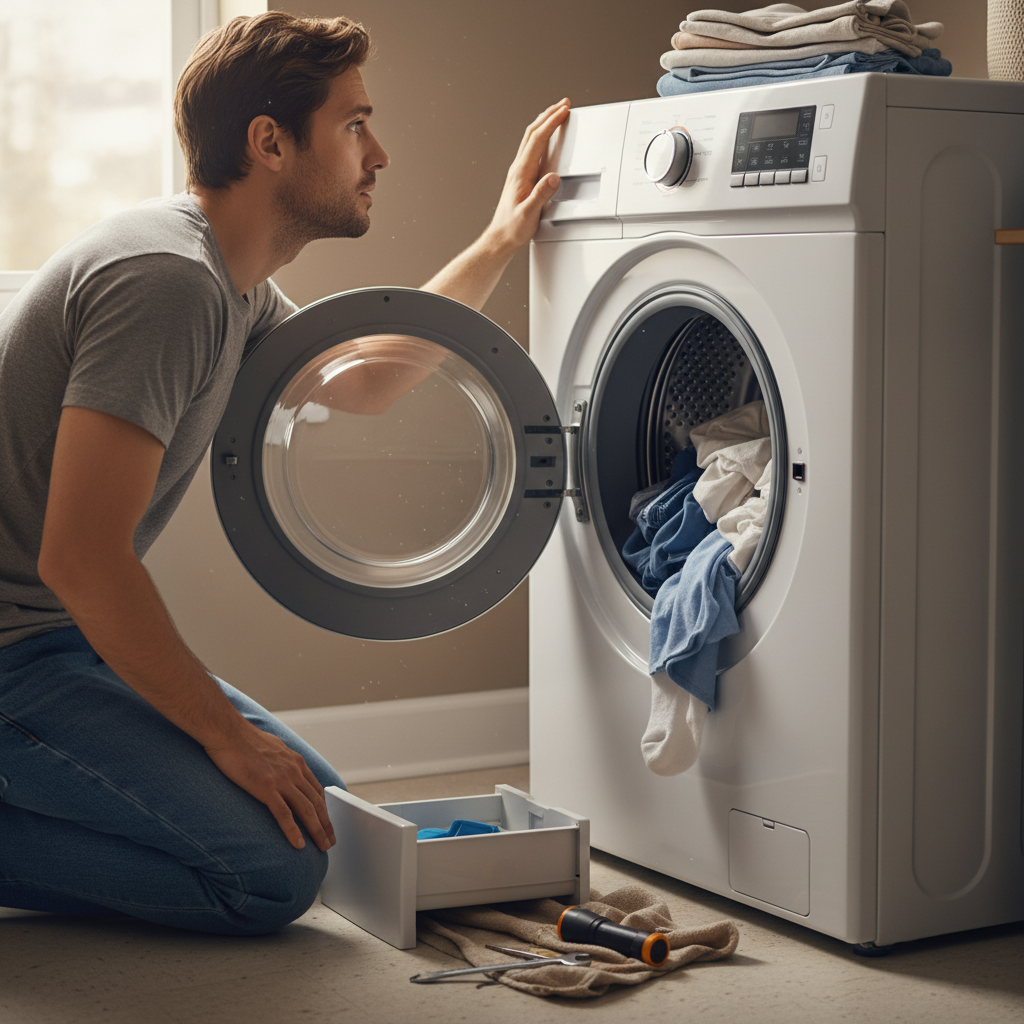
The Usual Suspects: Why Washing Machines Go Rogue
First, let’s talk about why these machines sometimes act up. It’s not usually a conspiracy; more often than not, it’s a combination of wear and tear, usage habits, and maybe a little bit of neglect. Here are a few common culprits:
- Overloading: We’ve all done it. Trying to cram that king-size comforter in for a single wash. But overloading puts a strain on the motor, the drum bearings, and the entire system. It’s like asking a marathon runner to sprint a hundred meters – it’s just not designed for it.
- Excess Detergent: More is not always better. Too much detergent can lead to excessive suds, which can trap dirt and leave residue on your clothes and in the machine itself. This can lead to buildup and potentially damage the machine.
- Clogged Filters and Hoses: These are the unsung heroes of your washing machine, catching lint, debris, and those rogue items that find their way into the wash. A clogged filter or hose can restrict water flow and cause a whole host of problems.
- Hard Water: If you live in an area with hard water, mineral buildup can wreak havoc on your machine’s internal components, leading to reduced efficiency and potential damage.
Common Mistakes We Make (And How to Avoid Them)
Now, let’s get real. We all make mistakes when it comes to laundry. I know I have! Here’s a rundown of common blunders and how to course-correct:
- Ignoring Strange Noises: That grinding, thumping, or squealing sound? Don’t ignore it. It could be a sign of a failing bearing, a worn-out belt, or something stuck in the drum. The sooner you address it, the less likely it is to turn into a major repair.
- Using the Wrong Detergent: High-efficiency (HE) machines require HE detergent. Using the wrong type can lead to excessive suds and damage your machine. Always check the label.
- Neglecting Maintenance: Washing machines need love, too! Regular cleaning and maintenance can prevent a lot of problems down the road.
- Forgetting to Check Pockets: Pens, coins, lipstick… the list goes on. Always check pockets before tossing clothes in the wash. Those items can clog the drain pump or damage the machine.
Simple Maintenance & Care Tips: Your Washing Machine’s Best Friends
Good news: keeping your washing machine in tip-top shape doesn’t require a degree in engineering. Here are some easy habits that can make a big difference:
- Clean the Machine Regularly: Run a cleaning cycle with a washing machine cleaner or a mixture of vinegar and baking soda once a month. This helps remove detergent buildup, mold, and mildew.
- Clean the Detergent Dispenser: Remove the dispenser drawer weekly and rinse it under warm water to remove any build-up.
- Check and Clean the Drain Filter: This is a crucial step! Most filters are accessible behind a small panel near the base of the machine. Refer to your owner’s manual for how to remove, clean, and replace it properly.
- Inspect Hoses: Check the hoses for cracks, leaks, or bulges, and replace them every few years as a preventative measure.
- Leave the Door/Lid Open: After washing, leave the door or lid open to allow the interior to dry and prevent mold and mildew growth.
When to DIY vs. When to Call the Pros
Knowing when to roll up your sleeves and when to call a repair technician is key. Here’s a general guideline:
- DIY: Cleaning the filter, cleaning the detergent dispenser, running a cleaning cycle, and checking for obvious clogs are all tasks you can likely handle.
- Call a Professional: If you hear strange noises, water is leaking, the machine isn’t spinning or draining, or you suspect electrical problems, it’s time to call in the experts. Don’t risk further damage or injury by trying to fix complex issues yourself.
Seasonal Relevance: Adapting to the Laundry Seasons
Believe it or not, the seasons can impact your washing machine, too! Here’s how:
- Summer: Increased humidity can lead to more mold and mildew growth. Be extra diligent about cleaning and leaving the door open to air it out.
- Monsoon: The dampness can exacerbate existing issues. Consider running a cleaning cycle more frequently during this time.
- Winter: Colder temperatures can sometimes affect water flow. Make sure your hoses are properly insulated, especially if your laundry area is in an unheated space.
Long-Term Prevention Habits: Setting Up Your Machine for Success
Want to maximize your washing machine’s lifespan? Adopt these long-term habits:
- Use the Right Amount of Detergent: Follow the manufacturer’s instructions to avoid buildup.
- Don’t Overload: Stick to the recommended load sizes.
- Level the Machine: Make sure your machine is level on the floor. Use a level and adjust the feet if necessary. This can help reduce vibrations and prolong the life of the machine.
- Inspect the Door Seal: Regularly check the door seal for any signs of wear and tear, and wipe it down after each load to prevent mold growth.
- Consider a Water Softener: If you have hard water, a water softener can significantly reduce mineral buildup and extend your machine’s life.
Taking care of your washing machine is like any other home maintenance task – it’s about being proactive. By understanding the common problems, adopting good habits, and knowing when to seek professional help, you can keep your laundry routine running smoothly for years to come. For more helpful tips on home and appliance care, visit our Homepage.
Frequently Asked Questions
Here are some of the most common questions people ask about washing machine care:
How often should I clean my washing machine?
A good rule of thumb is to clean your washing machine once a month using a washing machine cleaner or a mixture of vinegar and baking soda. You should also clean the detergent dispenser and drain filter regularly.
What are the signs that my washing machine is about to break down?
Look out for unusual noises, leaks, clothes that aren’t getting clean, and the machine not draining or spinning properly. These are all red flags that warrant investigation.
Can I use bleach to clean my washing machine?
Yes, but always check your owner’s manual first, as it’s not recommended for all types of washing machines. If you do use bleach, run a rinse cycle afterward to remove any residue.
How do I prevent mold and mildew in my washing machine?
Always leave the door or lid open after washing to allow the interior to dry. Clean the machine regularly, and address any leaks immediately.
What should I do if my washing machine isn’t draining?
First, check the drain filter for clogs. Then, inspect the drain hose for any kinks or blockages. If the problem persists, you may need to call a repair technician.
How can I tell if I’m using too much detergent?
If you see excessive suds during the wash cycle or if your clothes have residue on them after washing, you’re likely using too much detergent. Follow the manufacturer’s instructions for the correct amount.
Should I replace my washing machine hoses regularly?
Yes, it’s a good idea to replace the hoses every three to five years to prevent leaks and potential water damage.
By following these guidelines, you can keep your washing machine running smoothly and efficiently for years to come. Remember, a little bit of care goes a long way!
For more insights on maintaining other appliances and preventing costly repairs, check out our related article: The Unseen Cost: Why Your Simple Electrical Habits Might Be a Problem.