
It was a Sunday morning, and I was about to whip up a hearty breakfast. I reached for the yogurt in the refrigerator, only to find it was…frozen. Not just a little icy, but rock solid. My first thought? “Oh great, another appliance issue.” We’ve all been there, right? That moment of dread when you realize something in your home, something you rely on daily, isn’t working as it should. In this case, it was the refrigerator, the unsung hero of the kitchen.
Why Does My Refrigerator Act Up? Common Culprits
Refrigerators, bless their cold little hearts, are complex machines. They’re constantly working, 24/7, to keep your food fresh. But what goes wrong? Let’s break down some common causes:
* **Temperature Troubles:** This is the most frequent issue. Either the fridge is too warm, the freezer isn’t cold enough, or both. This could be due to a faulty thermostat, a problem with the condenser coils, or even just a door that isn’t sealing properly.
* **Frosty the Wrongman:** Excessive frost buildup in the freezer is another red flag. This often points to a malfunctioning defrost system.
* **Leaks and Puddles:** Water on the floor? That’s usually a sign of a clogged defrost drain or a leak in the water supply line for the ice maker.
* **Strange Noises:** A refrigerator shouldn’t sound like a construction site. Loud humming, clicking, or rattling could indicate issues with the compressor or fans.
The Usual Suspects: Common Mistakes We Make
We’re all guilty of these at some point. These habits can shorten your refrigerator’s life and lead to problems:
* **Overstuffing:** Cramming too much food into the fridge blocks airflow, making it work harder and less efficiently. Think of it like trying to breathe in a crowded room.
* **Leaving the Door Open:** It might seem like a small thing, but every time you leave the door open, warm air rushes in, forcing the fridge to work overtime to get back to temperature.
* **Ignoring the Gasket:** The rubber seal around the door is crucial for keeping cold air in. Cracks or dirt buildup can cause leaks and higher energy bills.
* **Setting the Wrong Temperature:** Many people set their fridge too cold, which wastes energy and can freeze food. The ideal temperature for the refrigerator compartment is between 35 and 40°F (1.7 to 4.4°C), and the freezer should be around 0°F (-18°C).
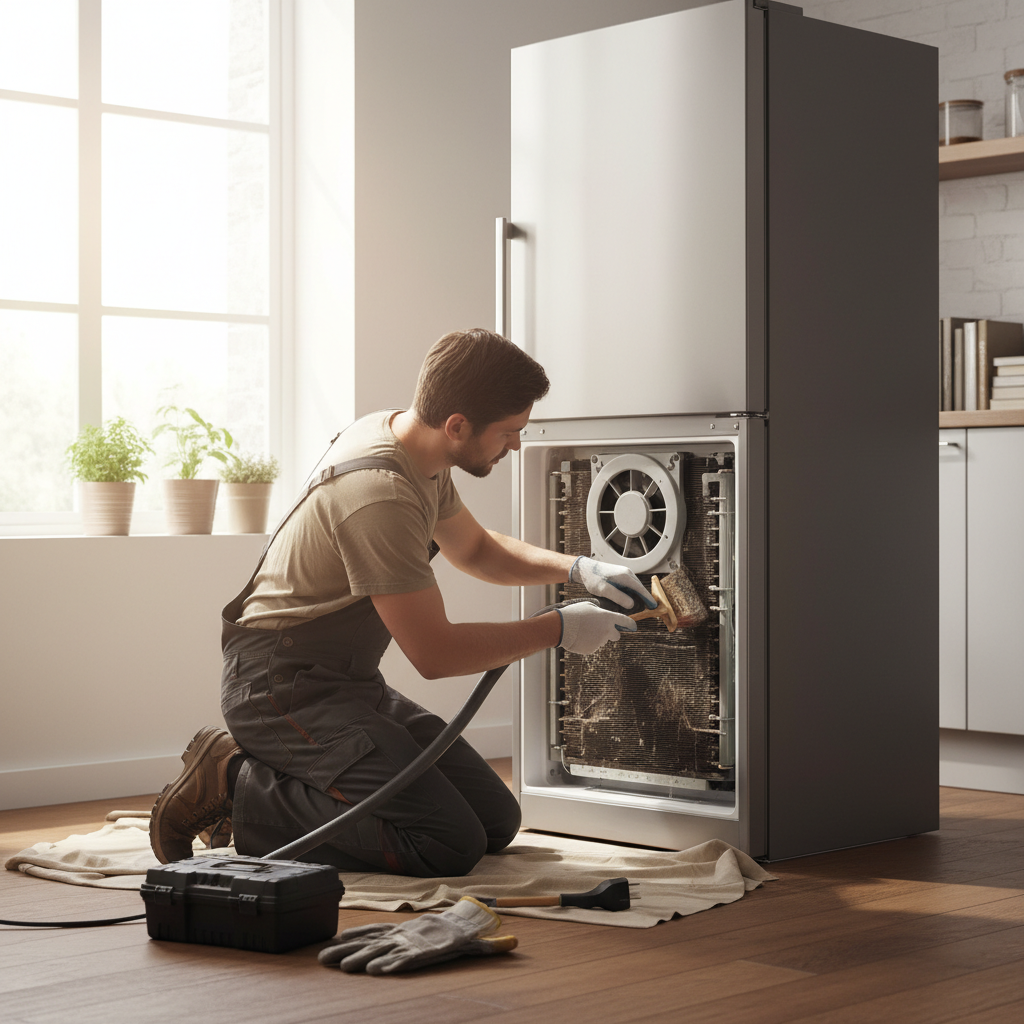
* **Neglecting the Coils:** The condenser coils, usually located on the back or bottom of the fridge, release heat. If they’re covered in dust and debris, the fridge can’t cool efficiently.
Simple Maintenance and Care: Your Fridge’s Best Friends
The good news is, you can do a lot to keep your refrigerator happy and healthy:
* **Regular Cleaning:** Wipe up spills immediately to prevent odors and bacteria growth. A deep clean every three months using a mix of baking soda and warm water will do wonders.
* **Check the Seals:** Inspect the door gaskets regularly for cracks or tears. Clean them with warm, soapy water to ensure a good seal.
* **Temperature Check:** Use a refrigerator thermometer to ensure your fridge and freezer are at the correct temperatures.
* **Organize and Rotate:** Keep the fridge organized to improve airflow. Rotate food, so older items get used first.
* **Clean the Condenser Coils:** Unplug the fridge and vacuum the coils at least twice a year. You’ll be surprised how much dust accumulates.
DIY or Pro? Knowing When to Call for Help
Some issues, like a clogged drain or a dirty condenser coil, are easy fixes. However, other problems may require a professional:
* **Refrigerant leaks:** Handling refrigerants can be dangerous, and this requires professional expertise.
* **Compressor failure:** This is a major component, and repair or replacement is typically a job for a qualified technician.
* **Electrical problems:** If you suspect electrical issues, such as frequent circuit breaker trips or electrical shocks, immediately contact a professional.
* **Unusual noises that persist:** Persistent strange noises could indicate a serious mechanical issue.
Seasonal Relevance: Fridge Care Through the Year
Your refrigerator needs year-round care, but some seasons bring their own challenges:
* **Summer:** During the hottest months, your fridge works harder. Ensure good airflow around the appliance, and consider adjusting the temperature slightly.
* **Monsoon:** Humidity can affect the door seals. Make sure the gasket is clean and sealing properly.
* **Winter:** Cold weather won’t impact your fridge as much, but it’s still a good time to check the seals and clean the coils.
Long-Term Prevention: Habits for a Happy Fridge
Making these habits a part of your routine will help extend your refrigerator’s life:
* **Proper Placement:** Ensure your refrigerator is level. Uneven placement can cause door seal problems.
* **Water Filter Replacement:** Replace your refrigerator’s water filter regularly to ensure clean ice and water.
* **Regular Inspections:** Periodically check for any issues, such as leaks, unusual noises, or temperature fluctuations. Catching problems early can save you money and headaches.
Keeping your refrigerator in good condition is one of the essential parts of any home maintenance plan.
FAQ: Refrigeration Realities
Here are some common questions and answers about refrigerator care:
**Q: How often should I clean my refrigerator?**
A: Wipe up spills immediately, and do a deeper clean every three months. This includes cleaning shelves, drawers, and the interior walls.
**Q: What’s the best way to clean the condenser coils?**
A: Unplug the refrigerator and use a vacuum cleaner with a brush attachment to remove dust and debris from the coils.
**Q: My refrigerator is running constantly. What could be the problem?**
A: This could be due to several issues, including dirty condenser coils, incorrect temperature settings, or a faulty compressor.
**Q: How do I know if my refrigerator is broken, or if it just needs time to cool down?**
A: If a refrigerator doesn’t cool down within an hour, or the temperature is too warm, or if there is condensation on the outside of the fridge, this could be a sign that something is broken.
**Q: How long should a refrigerator last?**
A: The typical refrigerator lifespan is 10 to 18 years.
**Q: Why is there frost buildup in my freezer?**
A: Excessive frost buildup can be caused by a malfunctioning defrost system, a door that isn’t sealing properly, or a clogged defrost drain.
**Q: When should I replace my refrigerator?**
A: If repairs become frequent and costly, or if your refrigerator is more than 10-15 years old and not energy efficient, it may be time for a replacement.
By following these tips, you can keep your refrigerator running efficiently, extend its lifespan, and avoid those frustrating “frozen yogurt” mornings. And remember, taking care of your appliances is like practicing good gas safety habits – it’s all about prevention and being prepared.