
It was a sweltering summer day, the kind where you could fry an egg on the sidewalk. I opened my fridge, expecting the familiar blast of cold air, but instead, I was met with a disconcerting warmth. Milk was starting to curdle, and my carefully planned dinner for the evening was at risk. Panic set in. After all, your refrigerator is more than just a kitchen appliance; it’s a silent guardian, protecting your food and your health. And when it falters, you realize just how much you depend on it.
Why Your Fridge Acts Up: The Usual Suspects
Refrigerators, like any complex machine, can run into problems. Some are minor annoyances, while others can signal a more significant issue. Understanding the common causes can save you time, money, and a whole lot of spoiled groceries.
The Overcrowding Debacle
One of the most common mistakes people make is overcrowding their fridge. Stuffing it full, especially during a grocery haul, restricts airflow. Cold air needs to circulate freely to keep everything at the right temperature. If your fridge is packed, the air can’t do its job, leading to warm spots and, eventually, food spoilage. I learned this the hard way after a particularly ambitious shopping trip. Now, I try to leave some space between items, ensuring that the cold air can reach every corner.
The Door Drama
The refrigerator door is another critical area. Constantly opening and closing it, especially in a hot kitchen, allows warm air to rush in. Every time you leave the door open, the fridge’s compressor works overtime to cool things down again. Make it a habit to close the door firmly, and try to minimize how long the door is open. Also, check the door seals regularly. Over time, these seals can become worn or damaged, allowing cold air to escape. A simple test is to close the door on a piece of paper; if you can pull the paper out easily, it’s time to replace the seals.
The Condenser Coil Conundrum
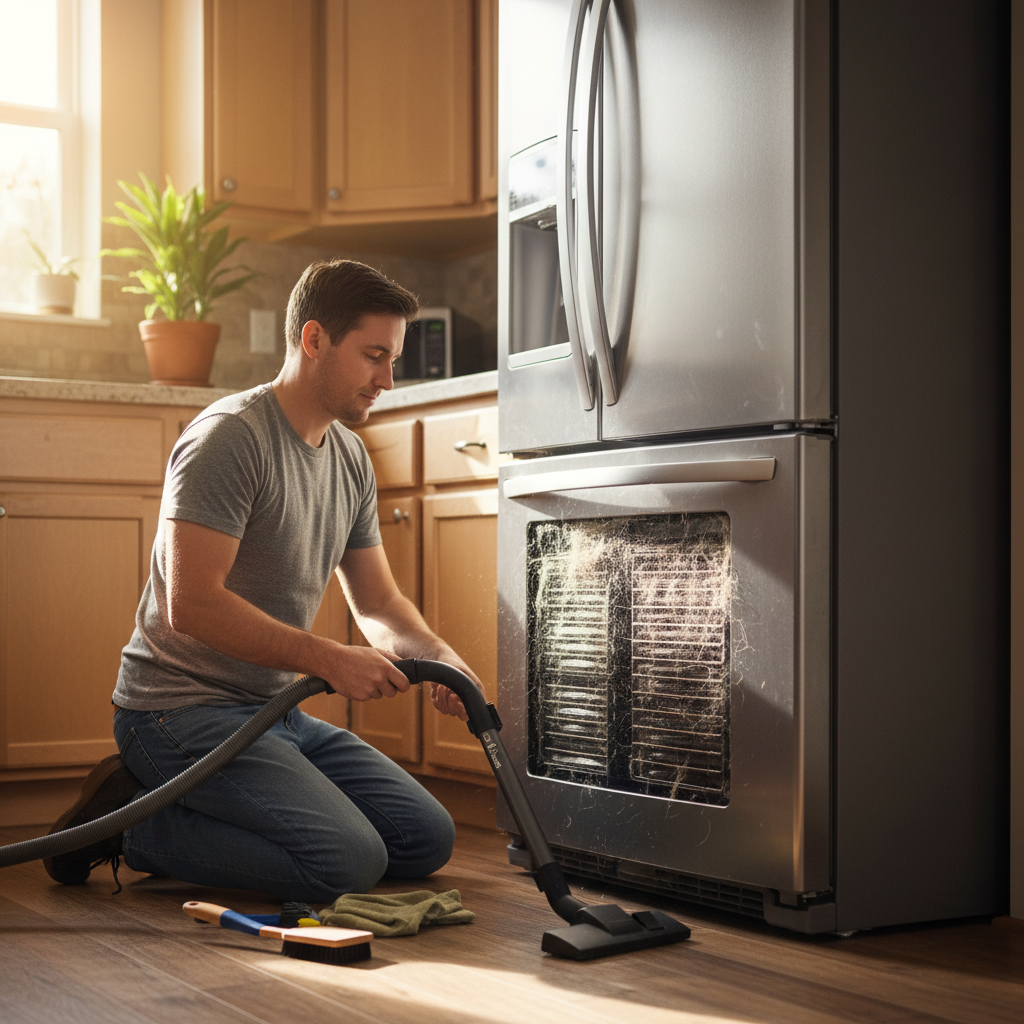
The condenser coils, usually found on the back or bottom of the refrigerator, are responsible for releasing heat. These coils can collect dust and debris over time, acting like a blanket and preventing them from doing their job. A dirty condenser coil forces your fridge to work harder, consuming more energy and potentially shortening its lifespan. Cleaning these coils is a simple but often overlooked maintenance task. I make it a point to clean mine every six months or so with a coil brush or vacuum attachment.
Temperature Troubles
Many of us simply set the temperature and forget about it. However, the ideal temperature for a refrigerator is between 37°F and 40°F (3°C and 4°C). If the temperature is set too high, food can spoil quickly; if it’s too low, you might end up with frozen lettuce and a higher electricity bill. Invest in a refrigerator thermometer to monitor the internal temperature accurately. Adjust the settings as needed, and consider how often you open the door. During the summer, for instance, you might need to adjust the temperature slightly lower.
Simple Maintenance & Care Tips: Your Fridge’s Best Friend
Taking good care of your refrigerator doesn’t require a lot of effort, but the benefits are significant. Here are some simple habits that can extend the life of your appliance and keep your food fresher for longer.
- Regular Cleaning: Wipe up spills immediately to prevent odors and bacteria growth. Clean the shelves and drawers with warm, soapy water regularly.
- Condenser Coil Care: Clean the condenser coils at least twice a year. Unplug the refrigerator first, and use a coil brush or vacuum attachment to remove dust and debris.
- Door Seal Check: Inspect the door seals regularly. Replace them if they are cracked, torn, or no longer sealing properly.
- Temperature Monitoring: Use a refrigerator thermometer to ensure the internal temperature is between 37°F and 40°F (3°C and 4°C).
- Proper Food Storage: Store food properly to maintain freshness and prevent cross-contamination. Use airtight containers or resealable bags for leftovers.
- Defrosting (if applicable): If you have a manual-defrost refrigerator, defrost it regularly to prevent ice buildup.
When to Fix Yourself vs. Call a Professional: A Practical Guide
Knowing when to roll up your sleeves and when to call in a professional can save you both time and money. Here’s a basic breakdown:
DIY Fixes:
- Cleaning condenser coils
- Replacing door seals
- Leveling the refrigerator
- Changing water filters
- Checking and replacing light bulbs
Call a Professional:
- The refrigerator is not cooling at all.
- The compressor is making excessive noise.
- There’s a refrigerant leak (you’ll smell a sweet, chemical odor).
- The refrigerator is running constantly.
- You suspect a problem with the internal components, such as the thermostat or defrost system.
When in doubt, it’s always better to err on the side of caution and call a qualified appliance repair technician. A professional can diagnose the problem accurately and make the necessary repairs.
Seasonal Relevance: Fridge Care Through the Year
The needs of your refrigerator can change with the seasons. Here’s how to adjust your care routine:
Summer:
- The fridge works harder in the summer to keep food cold due to warmer outside temperatures.
- Ensure proper ventilation around the fridge.
- Check and clean the condenser coils more frequently.
Monsoon:
- Monitor humidity levels. High humidity can affect the fridge’s performance.
- Keep the door closed to avoid moisture entering.
- If you live in an area prone to power outages, consider a surge protector to protect your fridge from electrical damage.
Winter:
- In winter, the fridge may not need to work as hard, but it’s still essential to keep it clean.
- Make sure the refrigerator is not placed in a location where the surrounding temperature is very low, like in an unheated garage.
Long-Term Prevention Habits: Keeping Your Fridge Happy for Years
Prevention is key when it comes to appliance care. Here are some long-term habits that will help your refrigerator last longer and perform better.
- Proper Installation: Ensure your refrigerator is level and has adequate ventilation.
- Regular Cleaning: Make cleaning the fridge a routine part of your household chores.
- Avoid Overloading: Don’t overload the fridge, and organize food for easy access.
- Monitor Temperatures: Keep a close eye on the internal temperature with a thermometer.
- Professional Maintenance: Consider having your refrigerator serviced by a professional every few years.
- Energy Efficiency: Check to see if your refrigerator is energy efficient. You may want to consider buying a newer model [cite: Internal Link 1].
Frequently Asked Questions (FAQs)
Here are some common questions homeowners have about their refrigerators:
Q: My refrigerator isn’t cooling. What should I do?
A: First, check the power supply. Is it plugged in? Is the circuit breaker tripped? Next, check the thermostat settings. If those are all fine, and you still have no cooling, the problem could be a faulty compressor or a refrigerant leak, and you should call a professional.
Q: How often should I clean the condenser coils?
A: It’s best to clean them at least twice a year. If you have pets, or if your kitchen is particularly dusty, you might need to clean them more frequently.
Q: What is the ideal temperature for my refrigerator?
A: The ideal temperature for your refrigerator is between 37°F and 40°F (3°C and 4°C).
Q: How can I tell if my refrigerator door seal is bad?
A: Close the door on a piece of paper. If you can pull the paper out easily, the seal is probably worn and needs to be replaced.
Q: Why is my refrigerator running constantly?
A: This could be due to several reasons, including a dirty condenser coil, a faulty thermostat, a door seal problem, or an overpacked fridge. Check these areas and consider calling a professional if the problem persists.
Q: How do I defrost my refrigerator?
A: If you have a manual-defrost refrigerator, unplug it and let the ice melt naturally. Place towels around the interior to catch the water. Once defrosted, clean the interior and plug it back in. Most modern refrigerators are frost-free and defrost automatically.
Q: My food is freezing in the refrigerator. What’s wrong?
A: The temperature setting is likely too low. Adjust the thermostat to a warmer setting. Also, make sure that vents aren’t blocked, allowing for proper air circulation.
Q: Should I unplug my refrigerator when I go on vacation?
A: It’s generally not necessary to unplug your refrigerator when you go on vacation, unless you’ll be gone for an extended period (several months). Otherwise, it is a good idea to empty and clean it and leave the door slightly ajar.
Taking care of your refrigerator is an investment in your home and your health. By understanding the common problems, practicing regular maintenance, and knowing when to call for help, you can keep your silent guardian running smoothly for years to come.