
It was a typical Sunday morning. I was in the kitchen, making my usual breakfast of toast and eggs, when I noticed something. The milk, which I’d bought just two days before, smelled a bit… off. Then I checked the leftovers from Saturday night’s dinner. Let’s just say, they weren’t looking or smelling their best. That’s when it hit me: my refrigerator was failing. Not catastrophically, but definitely not performing at its peak.
I’ve learned a lot in my years of homeownership, often through trial and error. Refrigerators, like any appliance, don’t last forever, but with the right care and understanding, you can certainly extend their lifespan and, more importantly, keep your food safe and fresh. This isn’t about being a repair expert; it’s about being a smart homeowner who can spot the early warning signs and take proactive steps.
Why Refrigerators Struggle: The Usual Suspects
Refrigerators work tirelessly, 24/7, 365 days a year. That constant work takes a toll. Several factors contribute to their gradual decline:
- Age and Wear: This is inevitable. Over time, components like the compressor, condenser coils, and door seals degrade.
- Poor Ventilation: Refrigerators need space to “breathe.” Stuffing them into tight spaces or blocking the vents at the back can cause overheating.
- Temperature Fluctuations: Frequent opening and closing of the door, especially in hot weather, makes the fridge work harder.
- Neglecting Maintenance: Simple things like cleaning the coils or checking the door seals often get overlooked.
- Energy Efficiency Standards: Older models were simply less efficient than the newer ones on the market.
Common Mistakes We All Make (and How to Fix Them)
We all make mistakes, often without realizing the impact on our appliances. Here are a few common ones related to refrigerator use:
Overstuffing
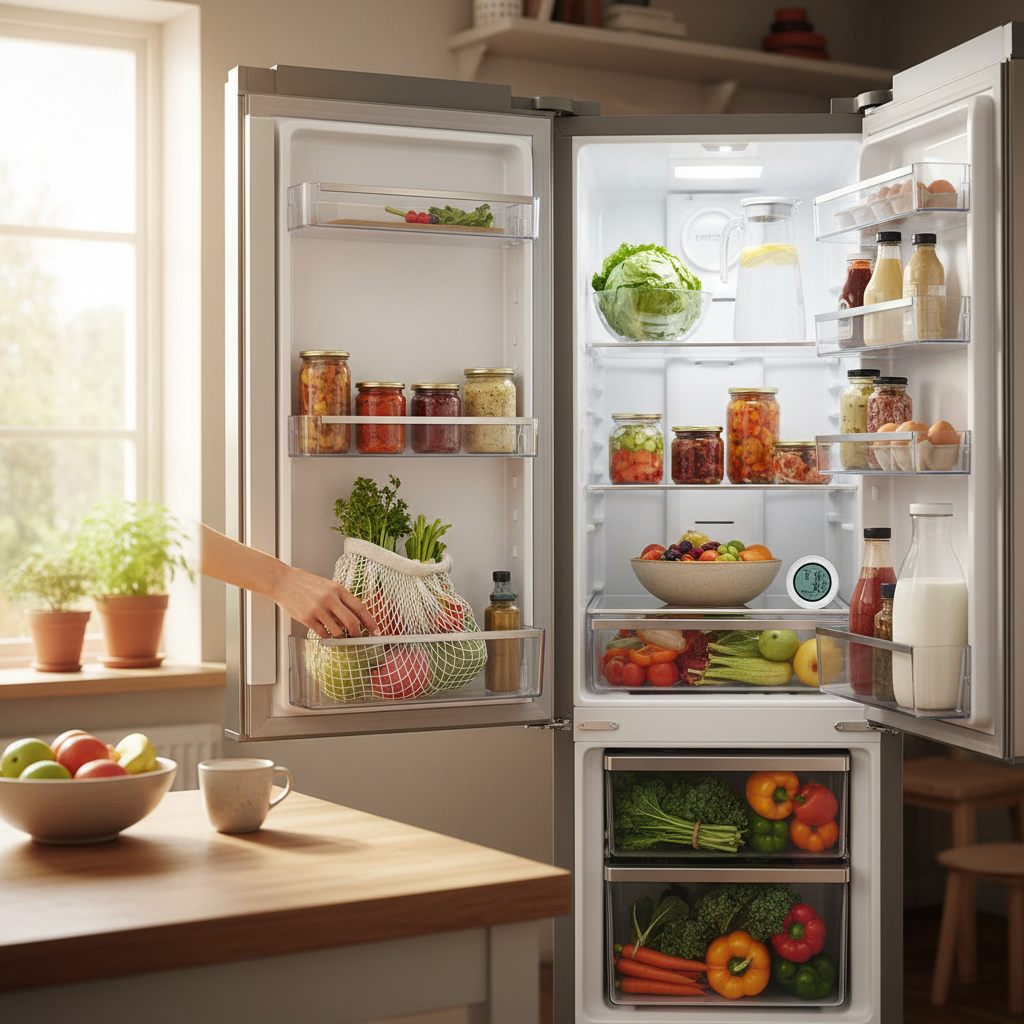
This is probably the biggest offender. We cram everything in, blocking airflow. The result? Uneven cooling, food spoilage, and the fridge has to work overtime. I used to be terrible at this. I’d buy groceries, and everything would go in, regardless. Now, I try to organize things, leaving space for air to circulate.
Incorrect Temperature Settings
Many of us set it and forget it. But the ideal temperature for a refrigerator is between 37-40°F (3-4°C). The freezer should be around 0°F (-18°C). Checking these settings periodically, especially with the changing seasons, is essential. During the summer heat, I sometimes have to lower the temperature a bit to compensate for the warmer ambient air.
Ignoring the Door Seals
Those rubber seals around the door are critical. They create an airtight seal that keeps the cold air in and the warm air out. Over time, they can become brittle, cracked, or lose their stickiness. Test them by closing the door on a piece of paper. If you can pull the paper out easily, it’s time to replace the seals. This is a fairly easy DIY project, and replacement seals are readily available.
Dirty Condenser Coils
Located on the back or bottom of the refrigerator, the condenser coils release heat. They gather dust and debris over time. When these coils are dirty, the fridge has to work harder to cool, using more energy and shortening its lifespan. Cleaning them is a simple task that can make a big difference. I usually do this every six months or so.
Not Cleaning Spills Immediately
A forgotten spill can turn into a sticky mess, harboring bacteria and creating unpleasant odors. Always clean spills as soon as they happen. A simple mix of baking soda and water works wonders for cleaning the interior and keeping it fresh.
Simple Maintenance & Care Tips (Straight from the School of Hard Knocks)
Prevention is key when it comes to refrigerators. Here’s what I’ve learned over the years:
- Clean the Condenser Coils: This is the single most important maintenance task. Unplug the fridge, and use a brush or vacuum cleaner attachment to remove dust and debris from the coils.
- Check and Clean Door Seals: Inspect the seals regularly for cracks or damage. Clean them with warm, soapy water to remove any buildup.
- Organize and Rotate Food: Use the “first in, first out” (FIFO) method. Put new items behind older ones to ensure you use up older food before it spoils.
- Control the Temperature: Use a refrigerator thermometer to monitor the temperature and adjust the settings as needed.
- Avoid Overloading: Give your fridge some breathing room. Don’t pack it so full that air can’t circulate.
- Wipe Up Spills Immediately: A quick cleanup prevents odors and bacterial growth.
- Defrost Regularly (for manual defrost models): If you have a manual defrost model, don’t let the ice build up. Defrost regularly to maintain efficiency.
When to DIY vs. Call a Professional
Knowing when to roll up your sleeves and when to call for help is crucial. Here’s my take:
- DIY: Cleaning coils, replacing door seals, and general cleaning are all within the realm of DIY.
- Call a Professional: If the compressor fails, the cooling system leaks, or the refrigerator isn’t cooling despite your best efforts, it’s time to call a professional. Refrigerant handling requires specific training and equipment.
Seasonal Relevance: Adapting to the Weather
Your refrigerator works harder during certain times of the year, especially in summer. Here’s what you should consider based on the season:
- Summer: The heat outside forces the fridge to work harder. Make sure the door seals are in good shape, and avoid opening the door unnecessarily. Consider adjusting the temperature slightly colder.
- Monsoon: High humidity can affect the door seals and cause condensation. Wipe down any condensation promptly.
- Winter: In colder months, your fridge might not have to work as hard, but it’s still important to monitor the temperature.
Long-Term Prevention: Habits That Pay Off
Building good habits is the best long-term strategy for refrigerator care:
- Regular Cleaning Schedule: Make cleaning the refrigerator a part of your routine.
- Energy-Efficient Habits: Close the door promptly, and avoid placing hot food directly into the fridge (let it cool down first).
- Mindful Shopping: Buy only what you need to avoid food waste.
- Proper Storage: Learn the best way to store different types of food to maximize their freshness.
- Consider a Smart Fridge: Newer models often have features like door alarms, which can help remind you to close the door and prevent energy waste.
These habits can also extend to other appliances. Being mindful of your energy consumption overall can help you save money. For more on this, check out this article: The Phantom Load: How Always On Habits Are Quietly Draining Your Wallet.
FAQs: Your Fridge Questions Answered
Here are some of the most common questions I get asked (or that I’ve seen others asking) about refrigerators, along with some straightforward answers:
-
My refrigerator isn’t cooling. What should I do first?
First, check the power cord to make sure it’s plugged in. Check the circuit breaker. If those are fine, check the temperature settings. Then, if it still isn’t cooling, it could be a more significant issue, like a compressor problem, which will require a professional.
-
How often should I clean the condenser coils?
I recommend cleaning the condenser coils every six months to a year. This depends on your environment (if you have pets, for example, you might need to clean them more often).
-
How do I test my refrigerator door seals?
Close the door on a piece of paper. If you can pull the paper out easily, the seals are likely worn or damaged. Replace them as needed.
-
What’s the ideal temperature for my refrigerator?
The ideal temperature for a refrigerator is between 37-40°F (3-4°C). The freezer should be around 0°F (-18°C).
-
Why is my refrigerator making strange noises?
Some noises are normal, such as the hum of the compressor. But if you hear unusual sounds like rattling, knocking, or clicking, it could indicate a problem with the fan, compressor, or other components. Check to ensure nothing is touching the fan blades.
-
How can I prevent food from spoiling quickly?
Proper food storage is key. Use airtight containers, and wrap food properly. Don’t overcrowd the fridge, and keep the temperature within the recommended range.
-
What are the signs of a failing refrigerator?
Warm temperatures, excessive frost buildup (in older models), unusual noises, and spoiled food are all signs that your refrigerator may be on its way out.
-
How long should a refrigerator last?
With proper care and maintenance, a refrigerator can last 10-20 years or more. However, the lifespan depends on the model, usage, and maintenance habits.
Keeping your refrigerator in good condition is not just about convenience; it’s about safety, reducing food waste, and saving money on energy bills. By following these simple tips and being proactive, you can ensure that your refrigerator serves you well for many years to come.