
It’s a familiar scene: You’re rushing out the door, late for work, and you quickly unplug your phone charger and toss it on the counter. Or maybe you’re settling in for the night, flipping off the lights and heading to bed, leaving the TV on standby. These are small, everyday habits, so common we barely think about them. But these seemingly insignificant actions are quietly costing you money, every single day. They contribute to what’s known as “phantom load,” and understanding it can lead to some surprisingly easy ways to save money and reduce your energy consumption.
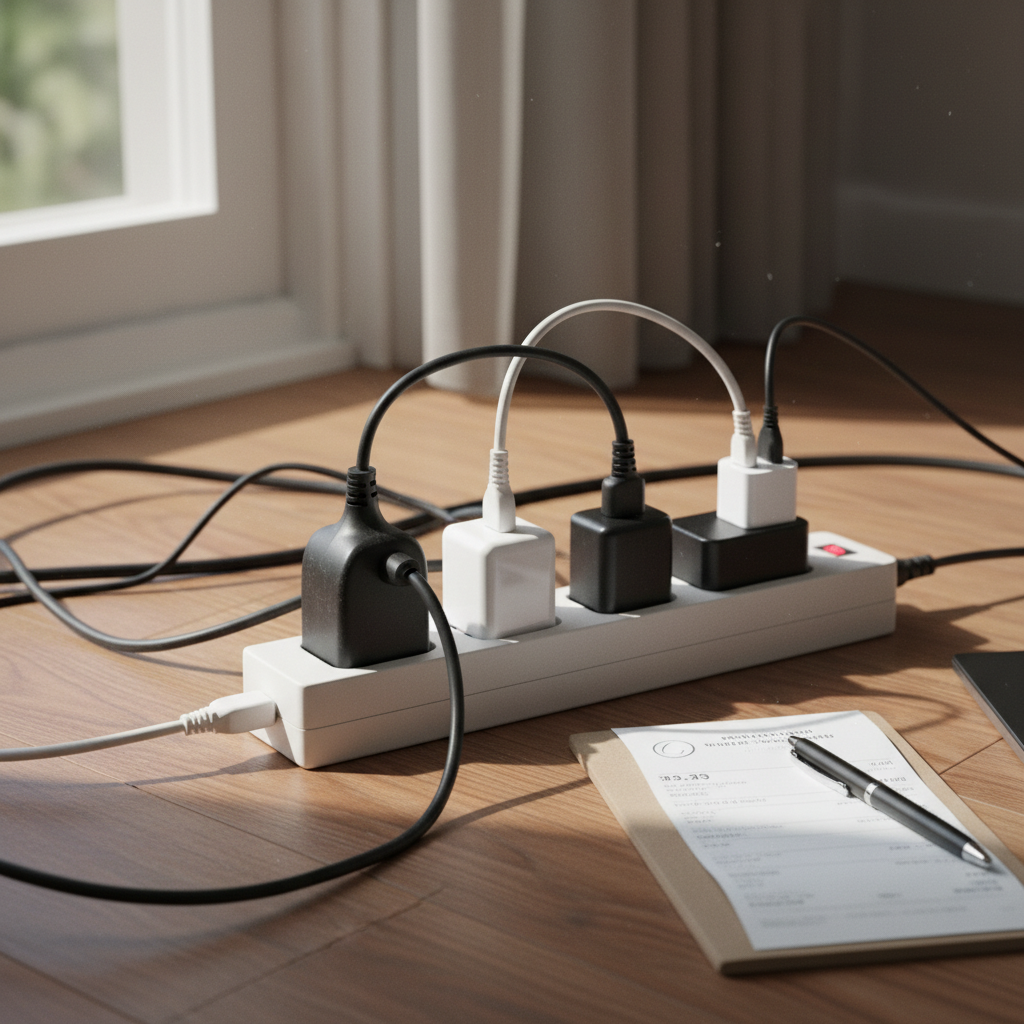
The Habit: Leaving Electronics Plugged In
The modern home is filled with devices that are constantly plugged in, from phone chargers and laptops to TVs, gaming consoles, and microwaves. We’ve grown accustomed to the convenience of leaving these items plugged in, ready for use at a moment’s notice. But this convenience comes at a price. Even when these devices are turned “off,” they continue to draw power, using what’s called standby power or phantom load. This happens because the devices are still consuming electricity to maintain their internal clocks, respond to remote controls, or simply remain in a state of readiness.
Why We Ignore It
There are several reasons why most of us overlook the impact of phantom load:
* **It Seems Insignificant:** The amount of power each individual device uses while in standby mode is small, so it’s easy to dismiss it as negligible.
* **Convenience:** Unplugging and replugging devices can seem like a hassle, especially for items we use frequently.
* **Lack of Awareness:** Many people simply aren’t aware of the concept of phantom load or the extent to which it affects their energy bills.
The Hidden Problems Phantom Load Creates
While the power consumption of a single device in standby mode might be small, the cumulative effect of multiple devices plugged in 24/7 adds up significantly. This can lead to the following problems:
* **Increased Electricity Bills:** Phantom load contributes to higher monthly electricity bills. Over time, these small amounts of wasted energy can accumulate into a substantial cost. The average US electric bill in 2026 is around $165 per month. The average residential electricity rate in the United States is 18.05 cents per kilowatt-hour (kWh) as of February 2026.
* **Environmental Impact:** Wasted energy contributes to increased demand for electricity, which often leads to the burning of fossil fuels and increased greenhouse gas emissions.
* **Reduced Appliance Lifespan:** Some appliances, especially older ones, may experience a slight reduction in lifespan due to constant power draw, even when not in use.
Common Mistakes Related to Phantom Load
Several common mistakes contribute to unnecessary phantom load:
* **Leaving Chargers Plugged In:** Phone chargers, laptop chargers, and other small device chargers continue to draw power even when the device is fully charged or not connected.
* **Leaving TVs, Gaming Consoles, and Sound Systems on Standby:** These devices often consume a significant amount of power in standby mode, waiting for a remote control signal.
* **Not Using Power Strips:** Power strips with multiple outlets are great for convenience, but if you don’t turn them off when you’re not using devices, they can contribute to phantom load.
* **Ignoring Appliances with “Always On” Features:** Devices like microwaves, coffee makers, and some printers have features that keep them in a ready state, even when not in use, consuming energy in the process.
Simple Habit Changes to Reduce Phantom Load
Fortunately, reducing phantom load is easy and doesn’t require any major lifestyle changes. Here are some simple habit changes you can implement immediately:
* **Unplug Chargers When Not in Use:** This is perhaps the easiest and most effective change. Unplug phone chargers, laptop chargers, and any other small device chargers when they’re not actively charging a device.
* **Use Power Strips with On/Off Switches:** Plug multiple devices into a power strip and use the switch to cut off power to all devices at once when they’re not in use.
* **Unplug Devices When You’ll Be Away:** When you go on vacation or leave your home for an extended period, unplug electronics such as TVs, computers, and entertainment systems.
* **Be Mindful of “Always On” Appliances:** Consider unplugging appliances like coffee makers, microwaves, and printers when they are not in use or using their power-saving features.
* **Invest in Smart Plugs:** Smart plugs allow you to control devices remotely using your smartphone or voice assistants. You can schedule them to turn off devices automatically or turn them off when you leave the house.
Modern Lifestyle Relevance
In today’s tech-driven world, we rely on electronics more than ever. With the rise of remote work, streaming services, and connected devices, the number of devices plugged into our homes has significantly increased. This makes reducing phantom load more critical than ever. As energy prices continue to rise, small changes can make a big difference in your monthly budget. In 2026, the average US electric bill is around $165 per month. By being mindful of the devices we leave plugged in and making a few simple adjustments, we can significantly decrease our energy consumption and save money without sacrificing our modern lifestyles. If you’re looking for more ways to save energy at home, check out our related article, Is Your Phone’s Battery Life Leaving You Hanging? Simple Habits for a Happy Phone (and Battery!).
Long-Term Benefits
Making these small habit changes can lead to several long-term benefits:
* **Significant Savings on Electricity Bills:** Over time, the accumulated savings from reducing phantom load can be substantial. Even a few dollars saved each month can add up to a considerable amount over a year.
* **Reduced Environmental Impact:** By consuming less electricity, you reduce your carbon footprint and contribute to a more sustainable lifestyle.
* **Increased Awareness of Energy Consumption:** Paying attention to phantom load can make you more conscious of your overall energy usage, which can lead to further energy-saving behaviors.
* **Improved Home Safety:** Unplugging devices can reduce the risk of electrical fires, as some devices can overheat or develop faults. To ensure the safety of your home, it’s also important to ensure your electrical outlets are up to code. Check out the Homepage for tips on home safety.
FAQ: Addressing Common Questions
Here are some frequently asked questions about phantom load and how to address it:
1. **How much electricity does phantom load actually consume?**
The amount of electricity consumed by phantom load varies depending on the number of devices in your home and their individual power consumption. However, it can account for up to 10% of a home’s total electricity use.
2. **Does it really matter if I only unplug a few devices?**
Yes, every little bit counts! While unplugging a single device might seem insignificant, every device you unplug reduces your overall energy consumption.
3. **Are there any devices that don’t contribute to phantom load?**
Some older devices may not have standby modes and therefore don’t contribute to phantom load. However, most modern electronics do consume power even when turned off.
4. **Is it safe to unplug and replug devices frequently?**
Yes, it’s perfectly safe to unplug and replug devices. It won’t damage them.
5. **Do smart TVs consume less power than older models?**
Yes, smart TVs are generally more energy-efficient than older models. However, they still consume power in standby mode, so it’s best to unplug them when you’re not using them for an extended period.
6. **Are power strips with surge protection better?**
Power strips with surge protection can protect your devices from power surges. They also help reduce phantom load.
7. **How can I determine which devices are using the most standby power?**
You can purchase a “kill-a-watt” meter to measure the power consumption of individual devices. This can help you identify which devices are contributing the most to phantom load.
8. **Will I notice a difference in my electricity bill immediately?**
The impact of reducing phantom load might not be immediately noticeable, but you should see a decrease in your electricity bill over time, especially if you make a conscious effort to unplug multiple devices.
By making a few small, consistent changes, you can start saving money and reduce your impact on the environment.