
It’s Monday morning. The alarm blares, you hit snooze, and the day begins. You stumble out of bed, make some coffee (using the electric kettle, of course), and maybe check your phone while it charges on your nightstand. Sounds familiar, right? This seemingly innocent routine, shared by millions, is a prime example of how small, often overlooked habits can lead to surprisingly big problems. In this case, it’s the invisible energy drain of “phantom load,” also known as “vampire power.”
The Sneaky Energy Thief in Your Home
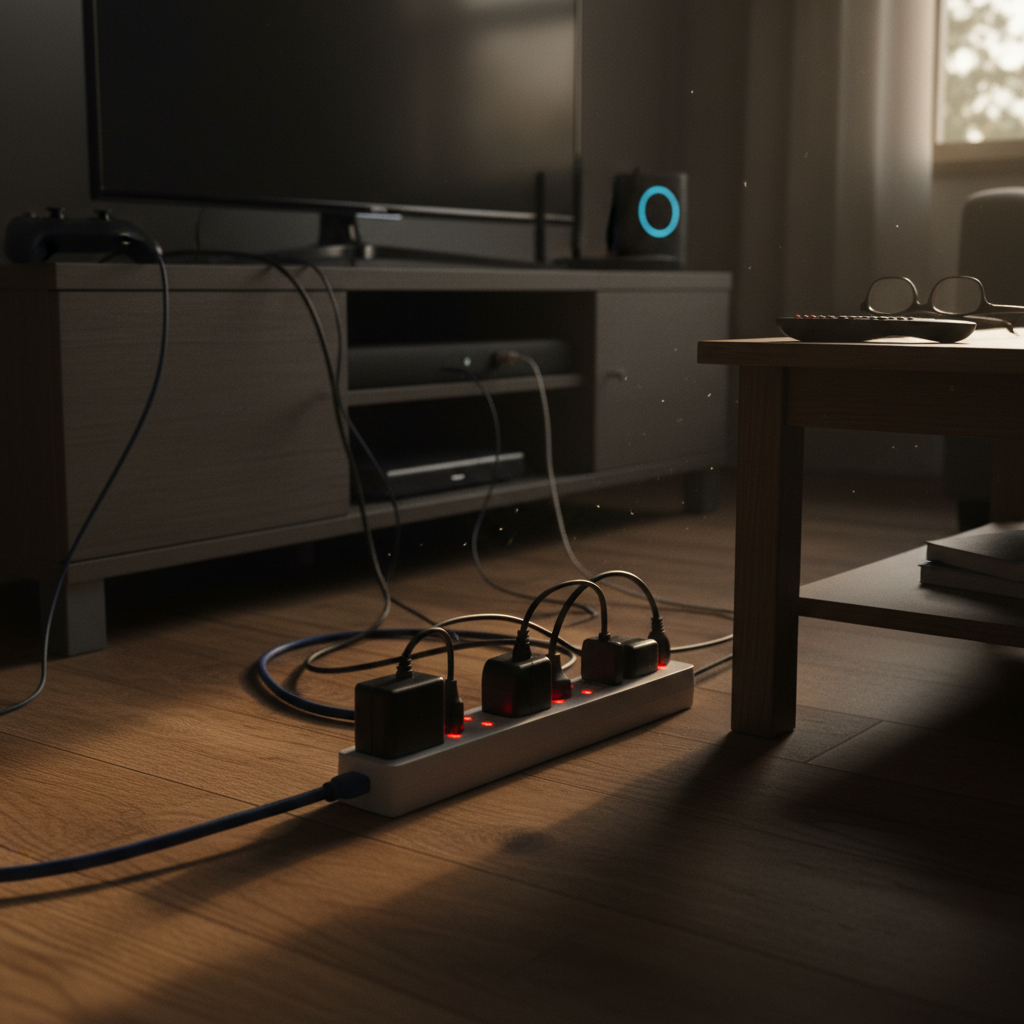
What exactly is phantom load? It’s the electricity consumed by electronics and appliances when they’re turned off but still plugged in. Think of it like a vampire, constantly sucking a tiny bit of energy from your home’s lifeblood. This includes things like your TV, computer, phone chargers, microwave, and even your smart speaker. They’re all drawing power, even when they’re supposedly “off.”
We often ignore this because it seems insignificant. “It’s just a little light,” we might think, or, “It doesn’t cost *that* much.” But those little bits add up. Over time, that phantom load can translate into a noticeable increase in your electricity bill. It’s like a slow leak in a tire – you might not notice it at first, but eventually, you’ll be running on empty.
Why We Ignore the Phantom Menace
Several reasons contribute to our collective disregard for phantom load:
- Convenience: It’s easy to leave things plugged in. Unplugging and plugging things back in takes effort, and we often prioritize convenience.
- Lack of Awareness: Most people simply aren’t aware of the extent of the problem. We assume that if a device is off, it’s not using power.
- Invisible Cost: The cost is spread out over time. It’s not like a sudden, dramatic spike in your bill. The increase is gradual, making it harder to connect the dots.
- Technology Dependence: Our lives are increasingly reliant on electronics. We have more devices than ever before, multiplying the potential for phantom load.
This perfect storm of convenience, ignorance, and technological dependence allows the phantom load to thrive, silently draining our wallets and contributing to unnecessary energy consumption.
The Hidden Costs of Doing Nothing
The financial impact of phantom load can be significant. While the exact cost varies depending on your electricity rates and the number of devices you have, studies show that phantom load can account for 5% to 10% of your total electricity bill. That might not sound like much, but consider it over a year. Or several years. That adds up!
Beyond the direct financial costs, there are other hidden problems associated with this habit. It contributes to:
- Increased Carbon Footprint: Energy generation, even from renewable sources, has an environmental impact. Reducing phantom load reduces the demand for electricity, which can lower your carbon footprint.
- Premature Device Failure: Some electronics, particularly those with internal transformers, may experience a shortened lifespan due to constant low-level electrical current.
- Fire Hazard (in rare cases): While unlikely, leaving devices plugged in, especially older ones, slightly increases the risk of electrical fires. Although modern appliances are generally built with safety in mind, it is still a risk.
Common Mistakes We Make (and How to Fix Them)
We all make mistakes, and when it comes to phantom load, there are several common culprits:
- Leaving Chargers Plugged In: Phone chargers, laptop chargers, and other small appliance chargers are notorious for drawing power even when nothing is connected to them.
- Ignoring the “Off” Button: Many devices have an “off” button that doesn’t completely cut off the power. They still draw power in standby mode.
- Not Unplugging Electronics: Televisions, gaming consoles, and computers are often left plugged in, consuming power constantly.
- Using Multiple Devices: The more devices you have, the bigger the problem becomes. A house full of electronics is a house with a larger potential for phantom load.
The good news is that these mistakes are easily corrected with some simple habit changes:
- Unplug Chargers: This is the easiest and most effective fix. Get into the habit of unplugging chargers when they’re not in use.
- Use Power Strips: Power strips with an on/off switch allow you to cut the power to multiple devices at once. This is perfect for home entertainment systems and computer setups.
- Be Mindful of “Off” Buttons: Learn which devices draw power even when turned off. Unplug them or use a smart power strip.
- Consider Smart Plugs: Smart plugs let you control devices remotely and monitor their energy consumption.
- Audit Your Electronics: Take a walk around your home and identify all the devices that are plugged in. Note which ones you can easily unplug or switch off.
Making the Change: Practical Steps for a Smarter Home
Making a lasting change requires a combination of awareness and consistent action. Here’s a practical plan:
- Awareness: Start by understanding the problem. Read articles (like this one!), research the energy consumption of your devices, and track your electricity bill.
- Assess: Walk through your home and identify the biggest energy-sucking culprits. Make a list of devices you want to target.
- Implement: Start with the easiest changes, like unplugging chargers. Then, gradually incorporate power strips and smart plugs.
- Monitor: Keep an eye on your electricity bill. Did you see a reduction? Track your progress to stay motivated.
- Maintain: Make these changes a part of your routine. Unplug chargers as a natural habit, just like brushing your teeth.
It’s not about being perfect, it’s about making consistent, small improvements. Even a few changes can make a noticeable difference in your energy bill and your environmental impact.
The Long-Term Benefits: Savings, Safety, and Peace of Mind
The benefits of reducing phantom load extend far beyond saving a few dollars each month. There’s also:
- Financial Savings: Over time, the accumulated savings can be substantial. That money could go towards a vacation, a new appliance, or simply be added to your savings account.
- Increased Safety: Reducing the number of devices plugged in minimizes the risk of electrical hazards and potential fires.
- Reduced Environmental Impact: By using less electricity, you’re contributing to a smaller carbon footprint and a healthier planet.
- Peace of Mind: Knowing you’re being proactive about energy conservation can bring a sense of satisfaction and control. You’re taking charge of your home and your finances.
The Modern Lifestyle and Phantom Load: Adapting to Change
Our modern lifestyle is heavily reliant on technology, and that reliance is only growing. We have more smart devices, more gadgets, and more ways to connect. This means the problem of phantom load is also growing.
Adaptation is key. We need to be more conscious of our energy consumption and take proactive steps to mitigate the effects of phantom load. The good news is that technology can also be part of the solution. Smart plugs, energy monitors, and energy-efficient appliances are readily available and can help us manage our energy usage more effectively.
Incorporating small habits like unplugging chargers and using power strips can help mitigate the effects of phantom load, even in a tech-heavy household. The key is to find the balance between enjoying the benefits of modern technology and being mindful of its energy consumption.
FAQ: Addressing Your Burning Questions
Here are some frequently asked questions about phantom load, with honest, grounded answers:
- Is it really worth the effort to unplug chargers? Yes! While it might seem like a small thing, the collective savings over time are significant.
- Do all appliances draw power when they’re off? No, but many do. Anything with a remote control, a digital display, or an internal power supply is a likely candidate for phantom load.
- Will using a power strip really make a difference? Absolutely. It’s a simple, effective way to cut off power to multiple devices at once.
- Is it safe to leave my TV and computer plugged in all the time? It’s generally safe, but not ideal. They do draw a small amount of power in standby mode, and unplugging them can reduce the risk of electrical hazards.
- What are some of the best energy-saving products I can buy? Smart power strips, smart plugs, and energy monitors are all excellent choices. Look for products with energy-efficient certifications.
- I’m renting. Is it still worth it to focus on phantom load? Absolutely! You’ll still save money on your electricity bill, and it’s a good habit to develop, no matter where you live.
- How do I know how much power my devices are using? You can use a “kill-a-watt” meter to measure the energy consumption of individual devices.
Taking control of your energy consumption isn’t just about saving money; it’s about making a conscious choice to live more sustainably and responsibly. By being aware of phantom load and taking small steps to reduce it, you can create a more energy-efficient and cost-effective home environment.
For more tips on saving money and staying safe, check out this related article: The Unseen Danger: Why Your Dryer Needs More Than Just a Lint Trap Clean.
Start small, be consistent, and enjoy the benefits of a more energy-efficient and financially savvy lifestyle. You’ve got this!