
It’s 7:00 AM. The alarm blares, you hit snooze, and the cycle begins. You stumble out of bed, switch on the bathroom light, and maybe flick on the TV while you get ready. Throughout the day, a constant hum of electricity powers our lives, from the refrigerator keeping your food cold to the phone charger juicing up your device. We’re so used to it that we barely give a second thought to the energy we’re using.
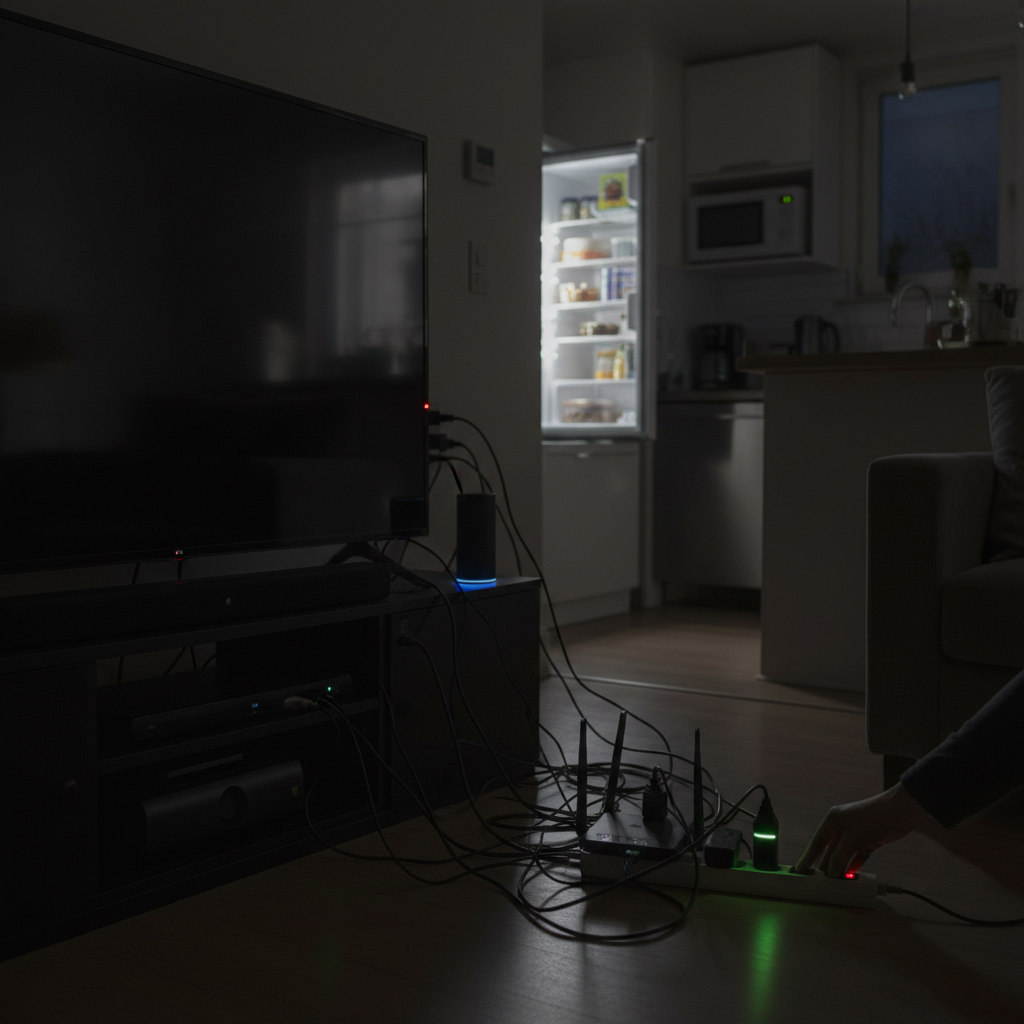
But what if I told you that many of your daily habits, the ones you barely notice, are contributing to a hidden drain on your wallet? It’s not just the big appliances; it’s the “always-on” devices and the subtle ways we let electricity slip through our fingers.
Why We Ignore the Small Stuff
We’re all guilty of it. We focus on the big-ticket items: the air conditioner, the water heater, the electric car charger. We might even switch to LED light bulbs, which is a great start. But the little things? They often get overlooked. Here’s why:
- Out of Sight, Out of Mind: Most of these energy vampires are tucked away, behind the TV, under the desk, or in the guest room.
- Tiny Costs, Big Numbers: Each individual device might seem to use a negligible amount of power. But when you add them up across an entire home, the cost becomes significant.
- Convenience Factor: Unplugging and plugging things back in can seem like a hassle. We prioritize convenience over energy savings.
- Lack of Awareness: Many people simply don’t realize how much energy these devices consume when they’re not in use.
The Hidden Problems of “Always On”
These seemingly harmless habits create several problems:
- Higher Electricity Bills: This is the most immediate consequence. Every kilowatt-hour (kWh) wasted is money down the drain. The national average electricity rate in the US is 18.05 cents per kWh as of February 2026. With the average American home consuming roughly 886 kWh of electricity per month, the average monthly bill is around $159.93, or approximately $1,919 per year.
- Environmental Impact: The more electricity we use, the more power plants need to generate, often relying on fossil fuels. Reducing energy consumption helps lower our carbon footprint.
- Wasted Resources: Generating and transmitting electricity requires resources. Reducing waste conserves these resources for future generations.
- Accelerated Appliance Wear: Constantly plugged-in devices generate heat, which can shorten their lifespan.
Common Mistakes and How to Fix Them
Let’s look at some common mistakes and simple solutions:
- Leaving Electronics Plugged In: Chargers, TVs, gaming consoles, and computers continue to draw power even when turned off. This is known as “phantom load” or “vampire power.”
- Mistake: Assuming it’s insignificant.
- Fix: Unplug chargers and devices when not in use. Use power strips for easy on/off control. Smart power strips can even detect when a device is idle and cut off power automatically.
- Leaving Lights On in Unoccupied Rooms: It’s a classic example of energy waste.
- Mistake: Forgetting to turn them off.
- Fix: Make it a habit to switch off lights when you leave a room. Install motion sensors for automatic shut-off in areas like hallways or closets.
- Using Incandescent Light Bulbs: These are energy hogs, converting most of their electricity into heat instead of light.
- Mistake: Ignoring the upgrade to more efficient options.
- Fix: Replace incandescent bulbs with LEDs. They use at least 75% less energy and last much longer.
- Overusing Heating and Cooling: Setting the thermostat too low in the winter or too high in the summer.
- Mistake: Thinking a drastic change will cool or heat a space faster.
- Fix: Use a smart thermostat to pre-set temperatures and stick to it. Adjust the thermostat when you are away from home.
- Leaving Fans Running: Fans cool people, not rooms. Leaving them on in empty rooms wastes electricity.
- Mistake: Misunderstanding how fans work.
- Fix: Turn off ceiling fans and other fans when you leave a room.
- Running Appliances During Peak Hours: Some utility companies charge more for electricity during peak demand times (typically afternoons and early evenings).
- Mistake: Unaware of time-of-use pricing.
- Fix: Run dishwashers, washing machines, and electric vehicle chargers during off-peak hours, when rates are lower.
Modern Lifestyle Relevance
Our modern lives are filled with gadgets and conveniences. The proliferation of smartphones, smart home devices, and streaming services means more devices plugged in and drawing power. This makes awareness of “always-on” habits even more critical. The rise of remote work also means more people spending more time at home, increasing energy consumption.
Here’s a quick reminder. Unplugging electronics is a simple yet effective way to reduce electricity consumption and lower your electric bill. Even when turned off, many devices continue to draw power—a phenomenon known as “phantom load” or “energy vampires”.
Long-Term Benefits
Making small changes in your daily routine can yield significant long-term benefits:
- Substantial Savings: Lower electricity bills translate to more money in your pocket each month.
- Increased Home Value: Energy-efficient homes are increasingly desirable and can increase your property’s value.
- Reduced Environmental Impact: By using less electricity, you’re contributing to a healthier planet.
- Peace of Mind: Knowing you’re being mindful of your energy consumption can reduce stress and promote a sense of responsibility.
FAQ
Here are some frequently asked questions about “always-on” habits and energy conservation:
- How much does “phantom load” cost me each month?
It varies depending on the number of devices you have and their wattage. However, it can easily add up to $50-$100 or more per year.
- Are smart plugs worth it?
Yes. They’re a convenient way to control devices and can help you easily eliminate phantom load. The initial cost is often offset by the energy savings.
- Does it take more energy to turn devices on and off frequently?
Not anymore. Modern electronics are designed to handle frequent on/off cycles without a significant impact on their lifespan or energy consumption.
- Should I unplug my refrigerator?
No! Refrigerators need to run constantly. Make sure it’s running efficiently, and consider unplugging a second refrigerator if you have one you rarely use.
- Are energy-efficient appliances worth the investment?
Absolutely. While they have a higher upfront cost, they use significantly less energy and can save you money over their lifespan.
- What’s the best way to monitor my energy usage?
Review your electricity bills, which will show how much electricity you’re using. You can also get a smart meter to monitor your consumption in real time and see how much your “always-on” habits are costing you.
- How much can I save by switching to LED light bulbs?
LEDs use up to 75% less energy than incandescent bulbs. The savings depend on how many bulbs you replace and how long they’re used. Over the lifespan of the bulb, the savings are significant.
- Where can I find more information about energy-saving tips?
Check out the website of your local utility company for rebates, incentives, and energy-saving tips. You can also explore websites like for helpful guides and articles.
Taking control of your energy consumption doesn’t require a complete overhaul of your lifestyle. It’s about being mindful of the small habits that, over time, can make a big difference. By understanding the hidden costs of “always-on” devices and making simple changes, you can lower your bills, reduce your environmental impact, and create a more sustainable home. It’s time to unplug those energy vampires and start saving!