
It was a Tuesday, and I was in a rush – late for a meeting. I tossed my leftover lasagna into the microwave, punched in the usual two minutes, and hit start. Instead of the familiar hum, I heard a *thunk*, followed by… silence. No heat, no whirring, just a cold, lonely lasagna and a sinking feeling in my stomach. Sounds familiar? Microwaves are kitchen heroes, but like any appliance, they can have their off days. And, as I learned that day, understanding the “why” behind the “what” can save you time, money, and a lot of cold dinners.
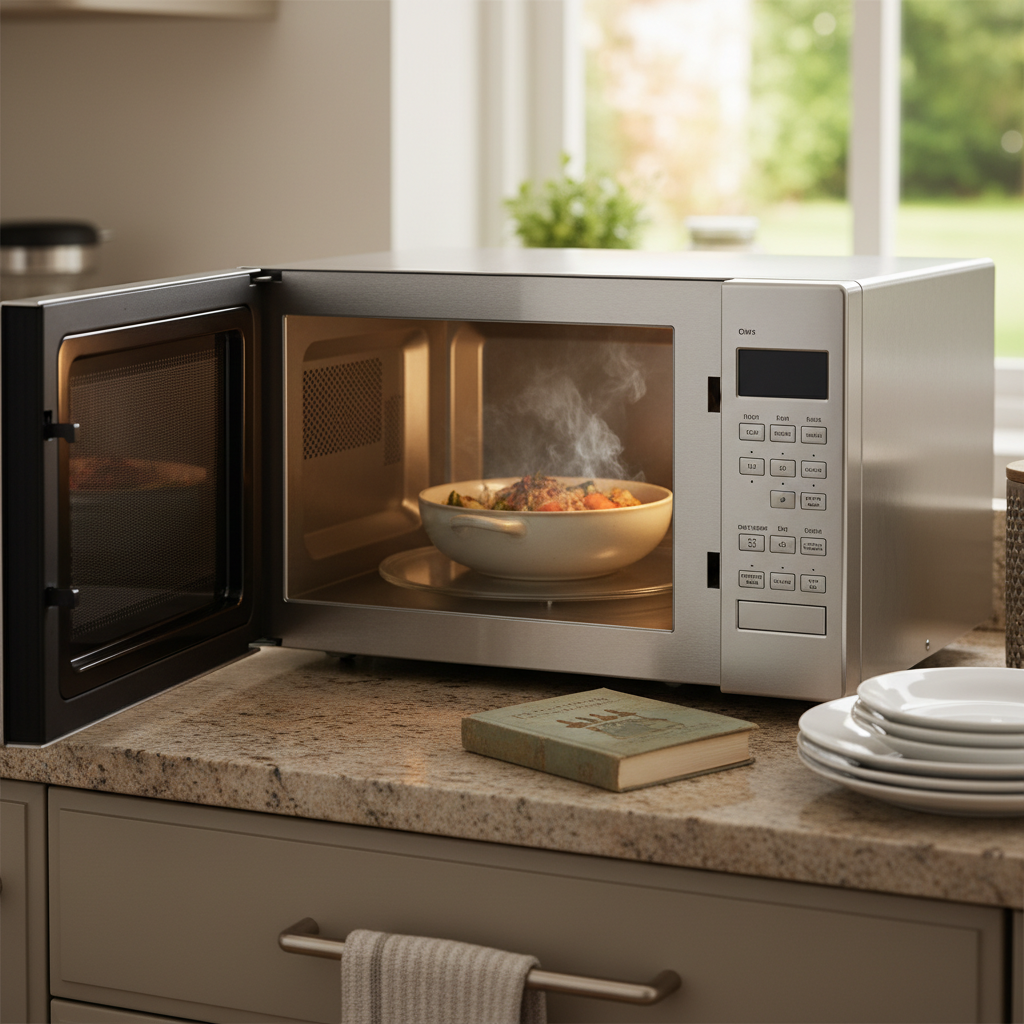
Why Microwaves Misbehave: The Usual Suspects
Let’s face it: we’ve all been there. A microwave that suddenly decides to act up can be frustrating, especially when you’re hungry. But what’s going on under the hood? Here are some of the most common culprits:
* **The Plate’s Procrastination:** The rotating plate is crucial for even cooking. If it’s not turning, your food will have hot spots and cold patches. This can be due to a broken plate, a blocked roller guide, or a faulty drive motor.
* **The Heat’s Gone AWOL:** If the microwave turns on but doesn’t heat, the magnetron is likely the issue. This component is the heart of the microwave, generating the heat that cooks your food. A faulty high-voltage diode can also be the cause.
* **Touchpad Troubles:** Unresponsive buttons are a common complaint. This could be due to a faulty membrane switch or control board.
* **Door Drama:** The door must close properly for the microwave to work. A door that won’t close or latch securely can prevent the appliance from starting.
* **Unusual Noises:** Grinding, buzzing, or humming sounds are often a sign of trouble. These noises could indicate issues with the magnetron, turntable motor, or other internal components.
* **Sparks and Arcs:** Sparks inside the microwave are a serious warning sign. This could be due to metallic objects, a damaged waveguide cover, or other internal issues.
Common Mistakes We Make (And How to Avoid Them)
We’ve all been guilty of it: a quick zap of leftovers, a hurried reheat, and maybe a few accidental mishaps along the way. But some habits are worse than others when it comes to microwave maintenance.
* **The Metal Menace:** This is a big no-no. Metal objects reflect microwaves, leading to sparks, arcing, and potential fire hazards. Avoid using metal utensils, aluminum foil, or containers with metallic accents.
* **The Overheating Overload:** Running the microwave for extended periods or without food inside can damage the magnetron and other components. Always use appropriate cooking times and never run the microwave empty.
* **The “Dirty” Door:** Food splatters and spills can accumulate around the door seal, potentially causing leaks. Make it a habit to wipe down the door and seal regularly.
* **Ignoring the Murmurs:** Strange noises, burning smells, or uneven heating are all signs that something is wrong. Don’t ignore these warning signs!
Simple Maintenance and Care: Your Microwave’s Best Friends
Fortunately, keeping your microwave in good shape doesn’t require a degree in appliance repair. A little TLC goes a long way. Here’s what you can do:
* **Cleaning is Key:** Wipe down the interior after each use, removing splatters and spills immediately. Use a damp cloth or a microwave-safe cleaning solution. For tougher messes, try heating a bowl of water and vinegar to create steam, which helps loosen grime.
* **Use Microwave-Safe Containers:** Always use containers that are specifically labeled as microwave-safe.
* **Check the Turntable:** Make sure the turntable is clean and rotates smoothly.
* **Inspect the Door:** Check the door seal for any damage or cracks. A compromised seal can leak microwave energy.
* **Ventilation Vacation:** Ensure the microwave has adequate ventilation, especially if it’s a built-in model. Don’t block the vents.
When to DIY vs. Call the Pro
Knowing when to roll up your sleeves and when to call for help is key. Here’s a quick guide:
* **DIY-Friendly:** Cleaning, replacing a light bulb, checking the turntable, and tightening loose screws around the door.
* **Call a Pro:** Issues with the magnetron, high-voltage diode, control panel, or any electrical problems. Sparks or a burning smell definitely require a professional.
If your microwave is over 8-10 years old, it might be more cost-effective to replace it than repair it.
Seasonal Relevance: Microwaves in Every Season
Microwaves are year-round appliances, but their use can shift with the seasons.
* **Summer:** Perfect for quick, no-cook meals when you don’t want to heat up the kitchen.
* **Monsoon:** Great for reheating leftovers on a rainy day.
* **Winter:** Ideal for warming up comfort food and beverages.
Long-Term Prevention: Habits for a Happy Microwave
* **Read the Manual:** Familiarize yourself with your microwave’s specific instructions.
* **Avoid Overuse:** Give your microwave a break between uses.
* **Unplug When Not in Use:** This helps protect against power surges.
* **Regular Inspections:** Schedule a professional check-up if you notice any persistent problems.
Maintaining your appliances is an important part of home care. You can find more tips on appliance care and other household issues at the homepage. Also, if you are looking for tips on keeping your refrigerator running, check out The Silent Guardian: Decoding Your Refrigerator’s Whispers & Keeping Food Fresh.
Frequently Asked Questions (FAQs)
Here are some common questions about microwave maintenance:
**Q: My microwave is sparking. What should I do?**
A: Immediately unplug the microwave and check for any metal objects inside. If there are no metal objects, there may be a serious internal issue. It is best to contact a professional appliance repair technician.
**Q: How often should I clean my microwave?**
A: Wipe down the interior after each use. A more thorough cleaning (including the turntable and door seal) should be done at least once a month.
**Q: Can I put aluminum foil in the microwave?**
A: No. Metal reflects microwaves and can cause sparks and fire.
**Q: My microwave is making a strange noise. Should I be concerned?**
A: Yes. Unusual noises can indicate a problem with the motor, magnetron, or other internal components.
**Q: How long should a microwave last?**
A: The average lifespan of a microwave is about 10 years.
**Q: My microwave isn’t heating. What could be wrong?**
A: The magnetron or high-voltage diode are the most likely culprits. It’s best to call a professional for repairs.
**Q: What is the best way to clean my microwave?**
A: For everyday cleaning, wipe down the interior with a damp cloth. For a deeper clean, heat a microwave-safe bowl of water and vinegar to create steam. This will loosen grime and make it easy to wipe away.