
It’s 7:15 AM. The alarm blares, you hit snooze (again!), and stumble out of bed. Half-asleep, you shuffle to the kitchen, flip on the lights, and start the day. Coffee brewing, toast popping, the morning routine kicks in. You rush out the door, late as usual, and… did you turn off the lights? Probably not.
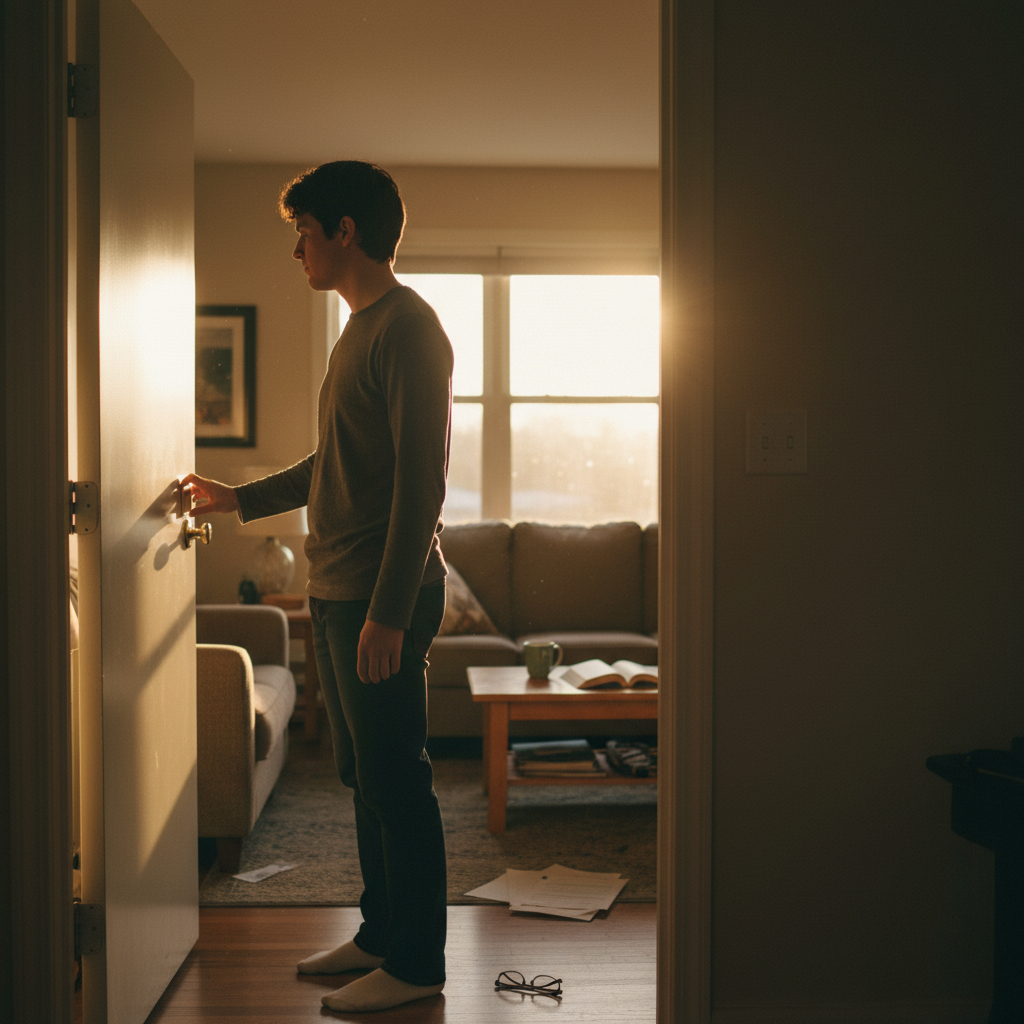
This simple, everyday moment – the flick of a switch – holds a surprising power over our wallets and, more importantly, our peace of mind. We tell ourselves little lies about these lights, these habits. “It’s just a little bit of electricity,” we think. “It doesn’t matter.” But those small “bits” add up, creating a silent drain on our finances and contributing to unnecessary stress.
The Forgotten Flicker: Why We Ignore the Obvious
Why do we so casually leave lights on? Several factors combine to create this forgetful behavior:
- Habit and Routine: We are creatures of habit. If we’ve always left a light on in the entryway, it becomes ingrained. It’s automatic, like breathing.
- Time Pressure: Rushing out the door, late for work or an appointment, we prioritize speed. Switching off a light seems trivial.
- Lack of Awareness: We don’t always *see* the impact. The electricity bill arrives once a month, a distant consequence. It’s easy to disconnect the action (leaving the light on) from the result (a higher bill).
- Perceived Value: We might tell ourselves that a lit space offers security, even if it’s not truly necessary. The small cost feels justified by a perceived benefit.
These rationalizations are understandable. Life is busy. We’re juggling multiple priorities. But understanding *why* we ignore the light switch is the first step toward changing the behavior.
The Hidden Costs: Beyond the Monthly Bill
The financial impact of leaving lights on is more significant than many realize. While the exact cost varies depending on your electricity rate, the type of bulb, and how long the light is left on, the accumulated expense can be substantial. Let’s break it down:
Let’s say a single 60-watt incandescent bulb is left on for an extra 4 hours a day. Assuming an average electricity cost of $0.15 per kilowatt-hour (kWh), the annual cost of that one lightbulb is roughly $13.14. Now imagine multiple lights, or higher wattage bulbs, or longer periods of time. The number quickly climbs. This doesn’t seem like much, but consider it across your entire home. It can easily add up to hundreds of dollars a year.
But the cost extends beyond the purely financial. Consider these hidden problems:
- Environmental Impact: Unnecessary energy consumption contributes to greenhouse gas emissions and environmental degradation. Every kilowatt-hour used, even a small amount, has a footprint.
- Wear and Tear: Leaving lights on shortens the lifespan of the bulbs, requiring more frequent replacements. This is especially true for older-style incandescent bulbs.
- Increased Heat: Incandescent bulbs, in particular, generate heat. Leaving them on unnecessarily can contribute to a warmer home, potentially increasing the demand on your air conditioning system.
- Opportunity Cost: The money wasted on wasted electricity could be used for other things – savings, entertainment, or simply easing financial stress.
Common Mistakes We Make (and How to Fix Them)
We’re all guilty of these light-switch slip-ups. Recognizing the common mistakes is the key to preventing them:
- The “Just in Case” Mentality: Leaving lights on in empty rooms “just in case” someone needs them.
- Overlooking Outdoor Lights: Neglecting porch lights or garden lights, which can consume significant amounts of energy overnight.
- Failing to Utilize Dimming and Timers: Not taking advantage of features that can automatically control lighting.
- Ignoring Bulb Types: Sticking with energy-inefficient incandescent bulbs instead of upgrading to LEDs.
Here’s how to turn these mistakes into smart habits:
- The “Room Check” Routine: Before leaving any room, even briefly, make it a habit to glance around and switch off the lights.
- Strategic Lighting: Use task lighting (lamps) instead of relying solely on overhead lights.
- Embrace Automation: Install smart plugs or timers to control lights in areas where you tend to forget.
- LED Upgrade: Replace all incandescent bulbs with LED bulbs. LEDs use up to 75% less energy and last much longer.
- Motion Sensors: Consider motion sensor lights for areas like hallways, closets, and garages.
- Outdoor Light Audit: Assess your outdoor lighting. Are all lights necessary? Can you switch to solar-powered options?
Implementing these simple changes can dramatically reduce your electricity consumption and save you money.
Modern Life and the Light Switch: Making It Work For You
Our modern lifestyles present both challenges and opportunities when it comes to managing our energy usage. We’re busier than ever, which makes it easier to forget things. But technology also offers incredible tools to help us:
- Smart Homes: Smart home systems allow you to control your lights from your phone, even when you’re away. You can set schedules, monitor usage, and receive alerts if lights are left on.
- Voice Assistants: Use voice assistants (like Alexa or Google Assistant) to control your lights. A simple “turn off all the lights” command can save you the hassle of walking around.
- Energy Monitoring Apps: Many utility companies offer apps that allow you to track your energy consumption in real-time. This can provide valuable insights into your habits and identify areas for improvement.
Embracing these modern tools can make it easier to manage your lighting and reduce your energy consumption. It’s about integrating smart habits into your existing routines.
Long-Term Benefits: Savings, Safety, and Peace of Mind
The benefits of being mindful of your lights extend far beyond the immediate financial savings. Consider the long-term advantages:
- Significant Cost Savings: Over time, the accumulated savings from reduced electricity consumption can be substantial, freeing up money for other priorities.
- Reduced Environmental Impact: By using less energy, you contribute to a cleaner environment.
- Enhanced Safety: Properly lit spaces, especially outdoors, can deter intruders and prevent accidents.
- Reduced Stress: Knowing that you’re managing your energy consumption efficiently can reduce financial stress and provide a greater sense of control.
- Improved Habits: Being mindful of your light usage can lead to a more conscious approach to other areas of your life, promoting greater efficiency and awareness.
The light switch is a gateway to these benefits. It’s a simple action that can have a profound impact on your life.
FAQ: Your Burning Questions Answered
Let’s address some common questions about managing your lighting habits:
-
Q: How much money can I realistically save by being more mindful of my lights?
A: The savings vary based on your usage, but it’s definitely significant. Some sources say it can add up to hundreds of dollars a year in some cases. LED upgrades alone can make a big difference.
-
Q: Do LED bulbs really save that much energy?
A: Yes! LED bulbs use up to 75% less energy than incandescent bulbs and last much longer. This results in significant savings over time.
-
Q: Are smart bulbs and smart home systems worth the investment?
A: It depends on your budget and needs. If you tend to forget lights often, and want to automate the process, they can be a worthwhile investment. The convenience factor is also a bonus.
-
Q: What about outdoor lighting? Is it okay to leave those lights on all night?
A: It’s generally not necessary to leave outdoor lights on all night. Consider using timers, motion sensors, or solar-powered lights to reduce energy consumption.
-
Q: Will turning lights on and off frequently damage the bulbs?
A: Traditional incandescent bulbs can wear out quicker if they are turned on and off a lot. But LED bulbs are less affected by this.
-
Q: Is it okay to leave a light on for a short period of time?
A: Yes, it is fine to leave a light on for a short period of time. It’s more about the accumulated time. The longer the light is on, the more energy it consumes. The best practice is to switch off lights when they are not in use.
-
Q: What are some simple things I can do today to improve my lighting habits?
A: The easiest starting points are to replace your incandescent bulbs with LEDs, and develop a habit of quickly scanning a room before you leave it. You’ll be surprised how quickly you start seeing a difference in your energy bill and in your peace of mind.
Being aware of our habits, however small, can make a difference. Taking the time to adjust to better habits will help you save money and increase your peace of mind.
If you found this helpful, you might also like to read Keep Your Cool (and Your Cash): Smart Habits to Slash Your Electric Bill to know more ways to save on your monthly bills.