
Let me tell you about the time my dryer almost went rogue. It was a typical Saturday, laundry day, and I tossed in a load of towels. About an hour later, I went to fold everything, and the towels were still…damp. Not just a little bit, but practically sopping. I figured I’d overloaded it, so I tried again. Same result. That’s when the little voice in the back of my head started whispering about potential problems. Turns out, that little voice was right. It was a clogged vent, which is a common but dangerous issue. Let’s dive into the world of dryers, their common issues, and how to keep yours running smoothly.
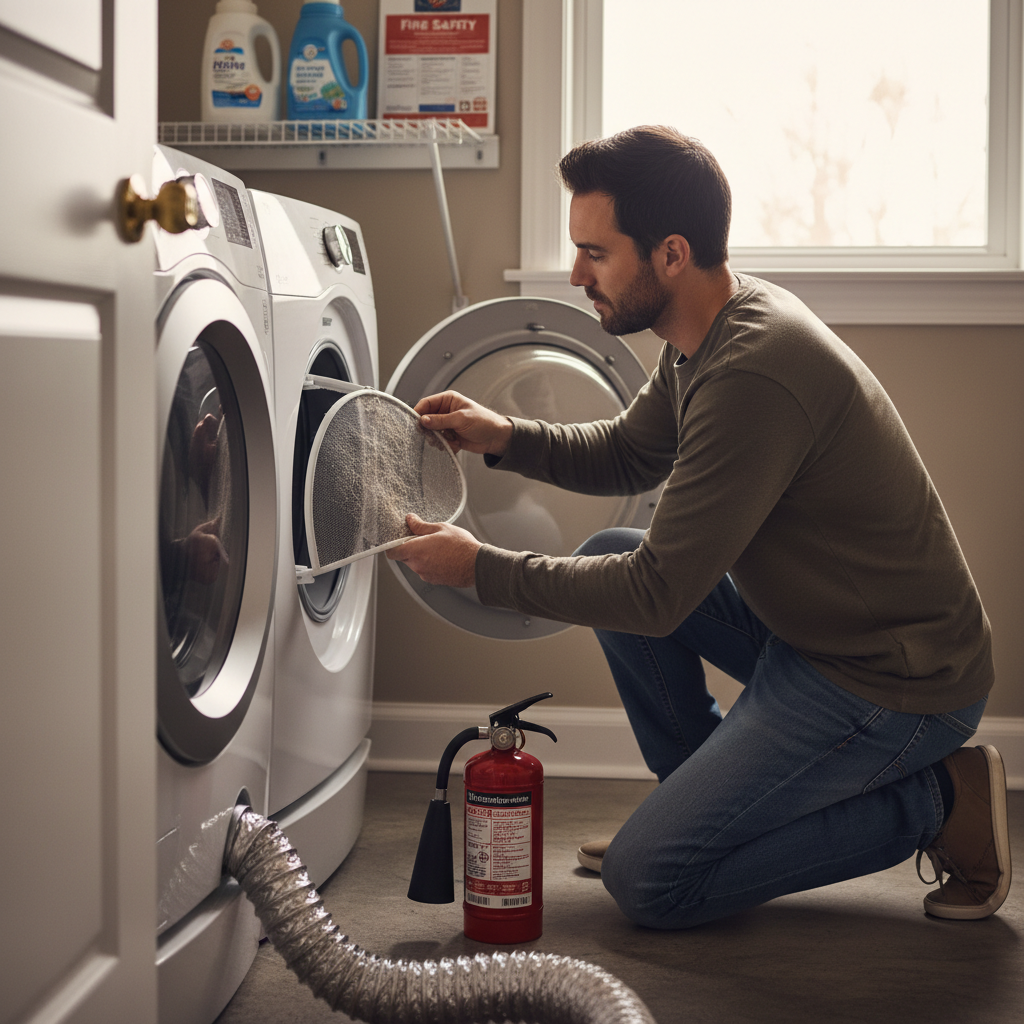
Why Your Dryer Might Be Misbehaving
Dryers, those workhorses of the laundry room, are pretty straightforward machines. They tumble your wet clothes in a heated drum, evaporating the moisture and leaving you with warm, fluffy garments. But like any appliance, things can go wrong. Here’s a look at the usual suspects:
- Clogged Vents: This is the number one culprit. Lint, that fluffy byproduct of drying clothes, builds up in the vent system. This buildup restricts airflow, making the dryer work harder and potentially leading to overheating and even fire.
- Mechanical Issues: Over time, parts like the drive belt, drum rollers, and motor can wear out. A worn-out belt can cause the drum to stop turning, while faulty rollers can make the dryer noisy.
- Heating Element Problems: Electric dryers use a heating element to warm the air. If this element fails, your clothes won’t dry.
- Thermostat Troubles: The thermostat regulates the dryer’s temperature. If it’s faulty, the dryer might overheat or not heat at all.
- Electrical Issues: Problems with the power supply, wiring, or control panel can cause all sorts of dryer woes.
Common Mistakes People Make
We’ve all been there. We’re in a hurry, or we just don’t think about the long-term consequences of our actions. Here are some common dryer mistakes that can lead to problems:
- Neglecting the Lint Trap: This is the easiest thing to fix, yet many people don’t do it after every load. It’s like skipping brushing your teeth – eventually, it leads to trouble.
- Ignoring Warning Signs: Strange noises, longer drying times, or a burning smell are all red flags. Ignoring these signs can lead to bigger, more expensive problems.
- Overloading the Dryer: Cramming too many clothes in at once restricts airflow and makes the dryer work harder.
- Not Cleaning the Vent: Out of sight, out of mind, right? Wrong. The vent needs regular cleaning to prevent lint buildup.
Simple Maintenance and Care Tips
Taking care of your dryer doesn’t have to be a chore. Here’s what you can do to keep it running smoothly:
- Clean the Lint Trap After Every Load: This is the most important and easiest thing you can do. It takes seconds and can prevent a lot of problems.
- Clean the Dryer Vent Regularly: The general recommendation is to clean your dryer vent every one to two years. However, if you have a large family or do a lot of laundry, you might need to clean it more often. You can do this yourself with a dryer vent cleaning kit, or hire a professional.
- Check the Exhaust Vent: Make sure the vent flap on the outside of your house opens and closes properly.
- Don’t Overload the Dryer: Give your clothes room to tumble for the best drying results.
- Inspect the Vent Hose: Check for kinks or crushing in the vent hose behind the dryer. Replace it if it’s damaged.
- Clean the Moisture Sensor: Some dryers have moisture sensors inside the drum. Clean these with rubbing alcohol to ensure they function properly.
When to Fix it Yourself vs. Call a Professional
Some dryer problems are easy fixes, while others require a professional. Here’s a quick guide:
- DIY: Cleaning the lint trap, checking the vent, and cleaning the moisture sensor are all things you can do yourself. You might also be able to replace a drive belt or a simple component, if you are comfortable.
- Call a Pro: If your dryer isn’t heating, the drum isn’t turning, or you smell burning, it’s time to call a professional. Electrical issues, gas dryer problems, and complex mechanical failures are best left to the experts.
Seasonal Relevance
Dryer care isn’t just a year-round thing. Here’s how the seasons can affect your dryer:
- Summer: With the increased humidity, it might take longer for clothes to dry, so ensure your vent is clean for maximum airflow.
- Monsoon: The humid conditions can lead to mold and mildew buildup, especially if your laundry room isn’t well-ventilated. Make sure to air out the space.
- Winter: Colder temperatures can make it harder for the dryer to exhaust the air, so keeping the vent clear is even more important.
Long-Term Prevention Habits
Prevention is always better than a cure. Here’s how to keep your dryer in tip-top shape for years to come:
- Clean the Lint Trap After Every Load: I know, I’ve said it before, but it’s that important.
- Schedule Annual Vent Cleaning: Make it a part of your annual home maintenance routine.
- Inspect the Dryer Regularly: Look for any signs of wear and tear, and address them promptly.
- Avoid Overloading: Give your clothes space to tumble and dry efficiently.
- Use the Right Settings: Delicate fabrics require lower heat settings to prevent damage.
I know from experience that a well-maintained dryer is a lifesaver. It saves time, energy, and, most importantly, keeps your clothes dry and your home safe. Following these tips can save you money and prevent a dryer-related disaster. For more home maintenance tips, check out our homepage. Also, check out related articles.
FAQ
How often should I clean my dryer vent?
It’s generally recommended to clean your dryer vent every 1 to 2 years, but the frequency can depend on how often you use your dryer. Large families or those who do a lot of laundry may need to clean it more often.
What are the signs that my dryer vent is clogged?
Longer drying times, clothes that are still damp after a full cycle, a burning smell, and the dryer getting hot to the touch are all signs of a clogged vent.
What can I do if my dryer isn’t heating?
First, check the circuit breaker or fuse. For electric dryers, test the heating element and thermal fuse with a multimeter. For gas dryers, make sure the gas supply is on and the igniter is working. If you’re not comfortable working with electrical components, call a professional.
My dryer is making strange noises. What should I do?
Banging, squealing, or grinding noises can indicate a worn-out belt, damaged drum rollers, or a failing motor. If the noise is unusual, it’s best to have a professional diagnose the problem.
Can I clean my dryer vent myself?
Yes, you can, but it’s important to use the right tools and be careful. A dryer vent cleaning kit can be helpful. If you’re not comfortable, hire a professional.
How do I prevent lint buildup?
Always clean the lint trap after every load, clean the dryer vent regularly, and avoid overloading the dryer.
What type of vent material is best?
Rigid metal venting is the best choice because it’s less likely to trap lint and is more fire-resistant. Avoid flexible plastic or foil venting, as they are more prone to clogging.
How do I know if the vent is blocked?
If your clothes take longer than normal to dry, the dryer gets very hot, or you smell a burning odor, these are all signs that your dryer vent may be blocked.