
The dryer. That workhorse appliance we often take for granted. It’s the unsung hero of laundry day, turning sopping wet clothes into fluffy, wearable comfort with the push of a button. But what happens when this dependable machine starts acting up? Believe me, I’ve been there. One minute, your favorite jeans are destined for warmth, and the next, they’re still damp after a full cycle, or worse, the whole thing’s kaput.
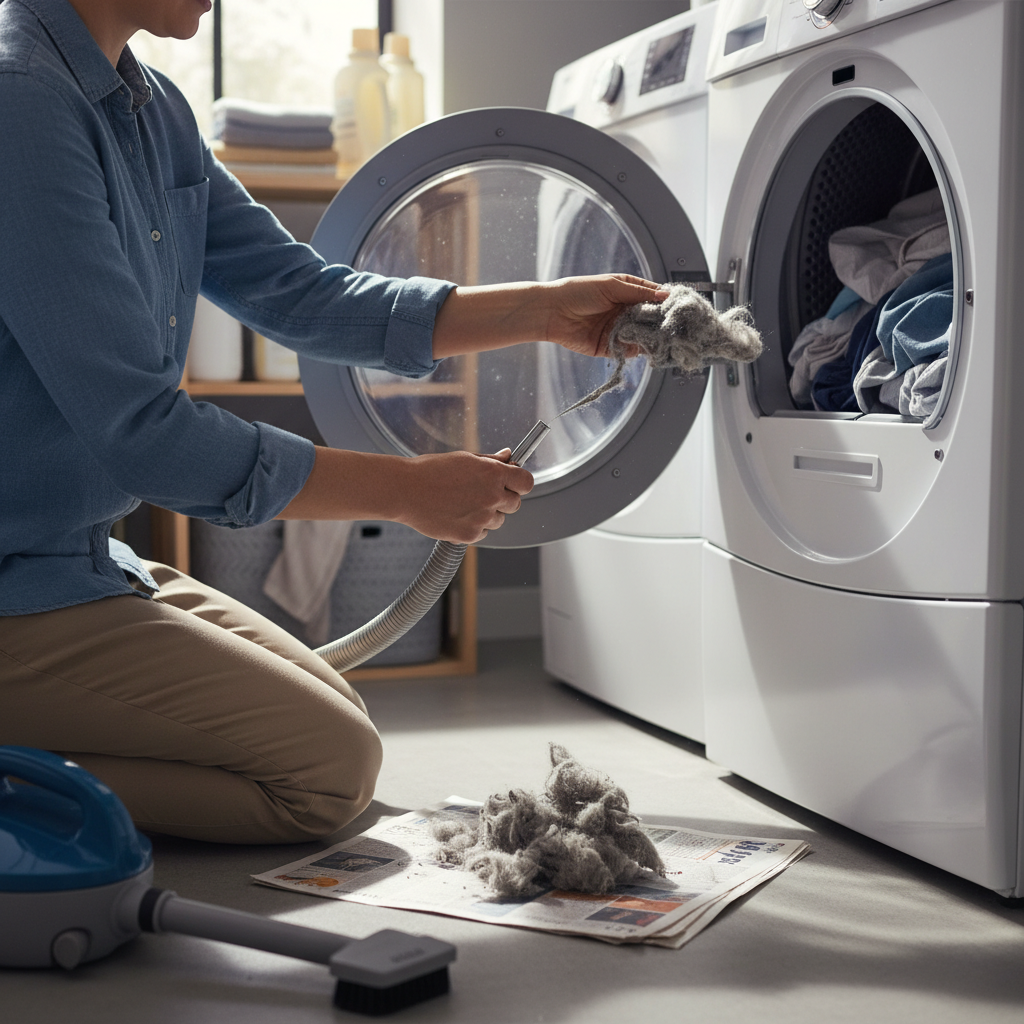
## The Real-Life Scenario: When Your Dryer Turns Troublesome
I remember it vividly. It was a Saturday morning, and I was in a rush. I threw in a load of towels, set the dial, and went about my day. Hours later, I returned, expecting fresh, warm towels. Instead, they were still slightly damp, and the dryer was unusually hot. A quick check revealed a mountain of lint in the filter, and a faint, unsettling smell of something…burning. It was a wake-up call, to say the least. This experience taught me a valuable lesson: dryers need attention, and neglecting them can lead to problems, from inefficient drying to a potential fire hazard.
## Why Do Dryers Go Wrong? Understanding the Common Culprits
Dryers, like any appliance, are subject to wear and tear. Over time, components degrade, and issues arise. The most common problems stem from a few key areas:
* **Lint Build-up:** This is the *number one* culprit. Lint, a byproduct of the drying process, accumulates in the lint trap and, more critically, in the dryer vent. This buildup restricts airflow, forcing the dryer to work harder, consume more energy, and potentially overheat.
* **Heating Element Failure:** The heating element is the heart of the dryer’s drying process. Over time, the element can burn out, leading to no heat or inconsistent heating.
* **Ventilation Issues:** A blocked or restricted vent is a major problem. Whether it’s a kinked hose, a bird’s nest, or excessive lint, poor ventilation traps heat, increasing drying times, and raising the risk of fire.
* **Mechanical Problems:** The dryer’s motor, belt, and rollers can wear down, leading to a drum that doesn’t spin, or unusual noises.
## Common Mistakes People Make: The Dryer Don’ts
We’re all guilty of some laundry sins. Here are some common mistakes that can lead to dryer problems:
* **Neglecting the Lint Trap:** This is the easiest maintenance task, yet it’s often overlooked. Always clean the lint filter *before* each load. It’s a simple habit that makes a world of difference.
* **Overloading the Dryer:** Cramming too many clothes into the drum restricts airflow, leading to longer drying times and increased wear and tear on the machine.
* **Ignoring Warning Signs:** Pay attention to changes in drying time, unusual noises, or burning smells. These are often early indicators of a problem.
* **Forgetting About the Vent:** Many people never clean their dryer vents. This is a huge mistake.
* **Not Cleaning the Moisture Sensor:** Some dryers have moisture sensors inside the drum. Fabric softener can coat these sensors, affecting drying cycles.
## Simple Maintenance & Care Tips: Keeping Your Dryer in Top Shape
Taking good care of your dryer doesn’t require a lot of effort, but the payoff is significant. Here are some practical tips:
* **Clean the Lint Filter After Every Use:** This is non-negotiable. Make it a habit.
* **Clean the Dryer Vent Regularly:** At least once a year, or more frequently if you have a large family or dry a lot of clothes. You can hire a professional or do it yourself with a vent cleaning kit.
* **Inspect the Vent Hose:** Check for kinks, crushing, or damage. Replace the hose if necessary.
* **Don’t Overload the Dryer:** Give your clothes room to tumble.
* **Check for Unusual Noises:** If you hear something strange, investigate it.
* **Clean the Moisture Sensor:** Periodically wipe down the moisture sensor bars inside the drum with rubbing alcohol.
* **Check the Exhaust Vent Outside:** Make sure the vent opening is clear of debris.
* **Follow the Manufacturer’s Instructions:** Your dryer’s manual contains valuable information on maintenance and troubleshooting.
## When to DIY vs. When to Call a Professional
Knowing when to roll up your sleeves and when to call in the pros can save you time and money. Here’s a general guide:
**DIY:**
* Cleaning the lint filter.
* Cleaning the vent (with a vent cleaning kit).
* Checking the power cord and outlet.
* Replacing a simple part, like the lint filter itself, or a light bulb.
**Call a Professional:**
* The dryer isn’t heating.
* The drum isn’t spinning.
* You smell burning or see smoke.
* You’re not comfortable working with electrical components or gas lines (if you have a gas dryer).
* You suspect a serious mechanical problem, such as a motor failure.
* You are not able to identify the source of the problem.
If you are experiencing issues with your phone’s battery, you may find the information in this article: My Phone’s Battery Blues: Decoding the Drain and Boosting Your Digital Life helpful in troubleshooting.
## Seasonal Relevance: Dryer Care Through the Year
Dryer care isn’t just a one-time thing; it has seasonal aspects.
* **Summer:** During the summer months, dryer use often increases due to more frequent washing of swimwear and outdoor clothing. Be extra diligent about cleaning the lint filter and vent during this time.
* **Monsoon:** Humid weather can make drying clothes outdoors difficult. The dryer becomes even more essential. Ensure your dryer is working efficiently to avoid wasted energy.
* **Winter:** Cold weather can also increase dryer use. Make sure your dryer is in good working order to handle the increased load.
## Long-Term Prevention Habits: Keeping Your Dryer Running for Years
Building these habits will extend your dryer’s life and save you money in the long run:
* **Regular Vent Cleaning:** Make this a non-negotiable part of your home maintenance routine.
* **Don’t Dry Everything:** Some items, like delicate fabrics, should be air-dried to prevent damage.
* **Use the Right Settings:** Avoid excessive heat when possible.
* **Inspect the Dryer Regularly:** Check for any signs of wear and tear.
## Frequently Asked Questions
Here are some common questions about dryer maintenance and troubleshooting:
**1. Why is my dryer taking longer to dry clothes?**
The most common causes are a clogged lint filter or a blocked vent. Overloading the dryer can also contribute to longer drying times.
**2. My dryer isn’t heating. What could be wrong?**
Several things can cause a dryer to not heat, including a blown thermal fuse, a faulty heating element, or a problem with the thermostat.
**3. What should I do if my dryer drum isn’t spinning?**
The most likely causes are a broken or worn drive belt, a faulty motor, or worn drum rollers or bearings.
**4. How often should I clean my dryer vent?**
At least once a year, but more frequently if you have a large family or dry a lot of clothes.
**5. What’s the best way to clean the dryer vent?**
You can use a dryer vent cleaning kit, available at most hardware stores. For more thorough cleaning, consider hiring a professional.
**6. How do I know if my dryer vent is blocked?**
Signs of a blocked vent include clothes taking longer to dry, the dryer getting unusually hot, and a burning smell. You might also notice lint or debris around the vent opening.
**7. Is it safe to use a dryer with a blocked vent?**
No. A blocked vent is a fire hazard and can also cause carbon monoxide to back up into your home.
**8. How long should a dryer last?**
With proper care and maintenance, a dryer can last 10-15 years or more.
Keeping your dryer in good shape is a straightforward process, and one that protects your home and keeps your clothes looking their best. Following these guidelines will give you peace of mind and help you avoid unnecessary repairs. Remember, regular maintenance is key.
Need more advice? Visit our Homepage for further information.