
It was a typical Saturday morning. I was planning a big brunch, pulling out the bacon and eggs, when I noticed something was off. The milk was a little… warm. A quick check confirmed my fears: the refrigerator wasn’t cooling properly. Panic set in. My fridge is a workhorse, always running, always there. The thought of losing all that food (and the brunch plans!) was a nightmare.
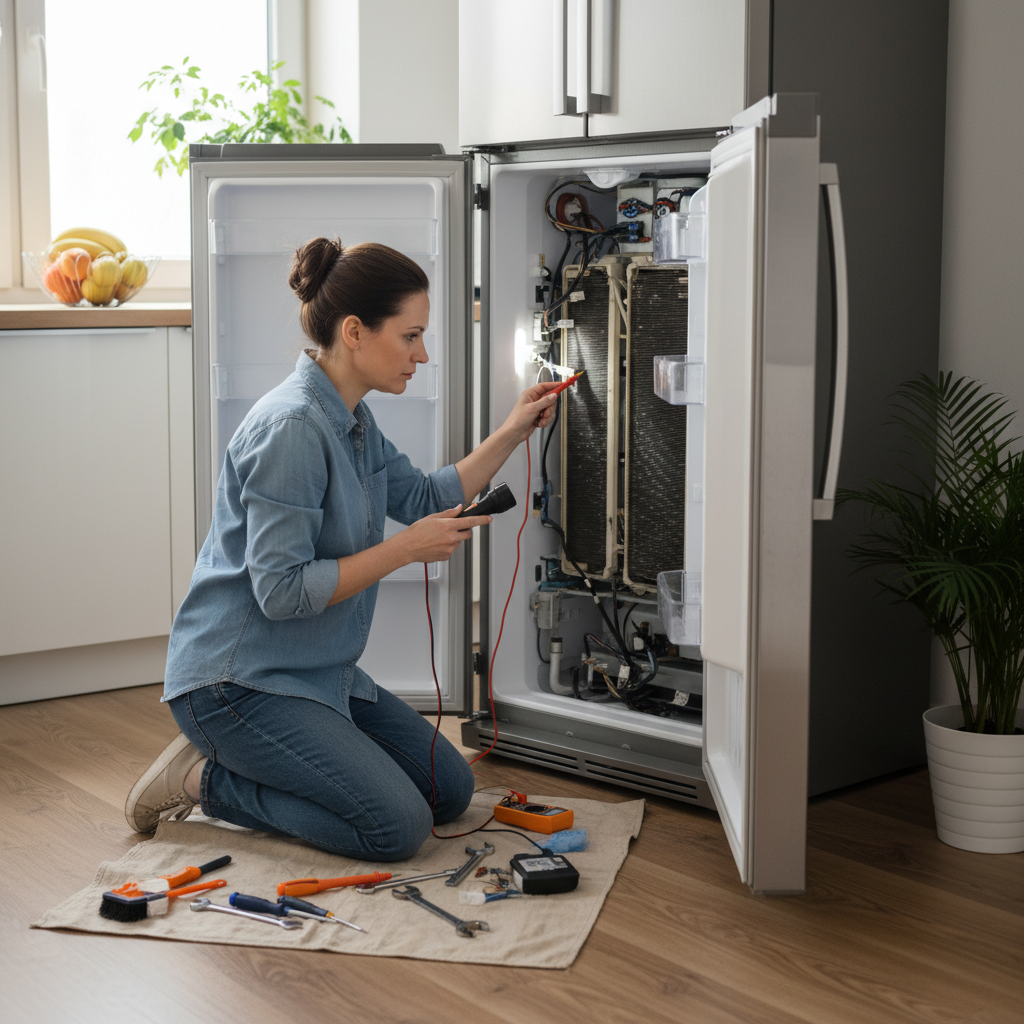
Sound familiar? If you’re a homeowner, you understand the vital role a refrigerator plays. It’s not just an appliance; it’s the heart of the kitchen, keeping everything fresh and safe. But, like all appliances, refrigerators can have issues. Understanding these issues, knowing what to do, and when to call a professional can save you a lot of money and stress.
Why Does My Refrigerator Stop Working?
Refrigerators are complex machines, and many things can go wrong. Here’s a breakdown of the most common culprits:
- Age: Refrigerators have a lifespan, with the average being about 10 to 18 years. As they age, components wear down.
- Temperature Fluctuations: Inconsistent temperatures are a major issue. This can be caused by a faulty thermostat, problems with the evaporator fan, or a failing compressor.
- Seal Issues: The door seals (gaskets) are critical. If they’re damaged or worn, warm air gets in, and cold air escapes.
- Blocked Vents: Overpacked shelves or items blocking the vents prevent proper airflow, leading to uneven cooling.
- Dirty Coils: The condenser coils release heat. If they’re covered in dust or pet hair, the fridge can’t cool efficiently.
- Component Failure: The compressor, the motor that circulates the refrigerant, can fail, as can other parts like the defrost system or ice maker.
Common Mistakes Homeowners Make
We’ve all been there. Here are some common refrigerator blunders that can lead to problems:
- Overpacking: Cramming the fridge blocks vents and prevents proper air circulation.
- Leaving the Door Open: Every time the door opens, warm air rushes in, making the fridge work harder.
- Ignoring Strange Noises: Unusual sounds often signal a problem.
- Not Cleaning Regularly: Neglecting the coils, seals, and interior leads to inefficiency and potential problems.
- Putting Hot Food Directly in: This raises the internal temperature, making the fridge work harder.
Simple Maintenance & Care Tips
You don’t need to be a repair expert to keep your refrigerator running smoothly. Here’s what you can do:
- Clean the Coils: Once or twice a year, unplug the fridge and vacuum the condenser coils (usually located on the back or bottom). This improves efficiency.
- Check the Door Seals: Inspect the gaskets for cracks or wear. Clean them regularly with warm, soapy water to ensure a good seal. Replace them if damaged.
- Maintain the Temperature: Use a refrigerator thermometer to ensure the fridge is between 37-40°F (3-4°C) and the freezer is at 0°F (-18°C).
- Close the Door Properly: Make sure the door is closed tightly after each use.
- Cover Food: Use containers or wrap food to prevent moisture buildup and odors.
- Level the Fridge: Ensure the fridge is level to prevent door closure issues.
- Clean Regularly: Wipe up spills, discard expired food, and give the interior a good cleaning every few weeks.
When to Fix Yourself vs. Call a Professional
Some refrigerator issues are easily solved. Others require expert help. Here’s a quick guide:
- DIY Fixes:
- Cleaning coils
- Checking and cleaning door seals
- Adjusting temperature settings
- Replacing the water filter (if applicable)
- Leveling the fridge
- Call a Pro:
- The fridge isn’t cooling at all
- Unusual noises persist or get worse
- Water leaks
- Food spoils quickly
- Excessive frost buildup
- Electrical issues (burning smell, flickering lights)
- Ice maker or water dispenser problems
- You suspect a faulty compressor or other major component.
Seasonal Relevance
The seasons can impact your refrigerator’s performance:
- Summer: Higher ambient temperatures mean your fridge works harder. Ensure good ventilation and clean the coils more frequently.
- Monsoon: Increased humidity can lead to condensation and potential mold. Check the door seals and clean the interior regularly.
- Winter: Extreme cold can also affect performance. Ensure the refrigerator is not in an unheated space, and check the door seals for proper sealing.
Long-Term Prevention Habits
Preventative care is key to extending your refrigerator’s life:
- Regular Cleaning: Make it a habit to clean the coils and interior.
- Proper Food Storage: Cover food to reduce moisture and odors.
- Avoid Overloading: Allow space for airflow.
- Check the Temperature: Regularly monitor the temperature and adjust as needed.
- Annual Check-Up: Consider an annual maintenance check by a professional.
Refrigerator Lifespan and Brand Considerations
How long should a refrigerator last? The average lifespan is 12 to 15 years. However, this can vary based on the brand and how well you maintain it. Some brands are known for greater longevity. For instance, brands like Whirlpool, GE, KitchenAid, and Bosch tend to last longer. Researching brands and reading customer reviews before you buy can help you choose a more reliable model.
FAQ: Your Refrigerator Questions Answered
Here are some frequently asked questions about refrigerator repair and maintenance:
Q: How do I know if my refrigerator is not cooling properly?
A: Common signs include food spoiling quickly, inconsistent temperatures (some areas too cold, others not cold enough), and the refrigerator running constantly. You might also notice frost buildup in the freezer or excessive condensation inside the fridge.
Q: What causes water to leak from my refrigerator?
A: Leaks can be due to a clogged defrost drain, a frozen water supply line, a problem with the water inlet valve, or a damaged water line.
Q: My refrigerator is making strange noises. What should I do?
A: Unusual noises (clanking, buzzing, rattling) often indicate a problem with the compressor, fan, or another internal component. If the noises persist or worsen, it’s best to call a technician.
Q: How often should I clean my refrigerator coils?
A: Aim to clean the coils at least once or twice a year. If you have pets, you might need to do it more frequently.
Q: How can I prevent my refrigerator from using too much energy?
A: Several things can help: maintain the correct temperature, clean the coils, ensure the door seals are tight, avoid overpacking, and close the door quickly.
Q: What is the ideal temperature for my refrigerator and freezer?
A: The fridge compartment should be between 37 and 40°F (3-4°C), and the freezer should be at 0°F (-18°C).
Q: Should I replace my refrigerator if it’s more than 10 years old?
A: While some refrigerators can last longer, models over 10 years old are more likely to have issues and be less energy efficient. Consider the cost of repairs versus the cost of a new, more energy-efficient model.
Q: Is it worth repairing an older refrigerator?
A: If the repair cost exceeds 50% of the price of a new refrigerator, it’s generally better to replace the appliance. For minor issues, it is usually worth repairing the refrigerator if it is under 8 years old.
Back to my brunch: I called a repair service, and thankfully, it was a minor issue. But the experience was a reminder that taking care of our appliances is essential. With a little knowledge and care, you can keep your refrigerator running smoothly for years to come.
To learn more about keeping your home running smoothly, check out The Smartphone Storage Struggle: Your Guide to a Clutter-Free Digital Life for a related article.