
We’ve all been there. That dreaded moment when you open your electricity bill and experience a moment of heart-stopping disbelief. How did it get so high? The good news is, you’re not alone, and there are plenty of practical steps you can take to bring those costs back down to earth. It’s about building awareness of the small, everyday habits that quietly drain your wallet, and then making a few simple tweaks to change the game.
## The Sneaky Culprit: Phantom Loads and Vampire Power
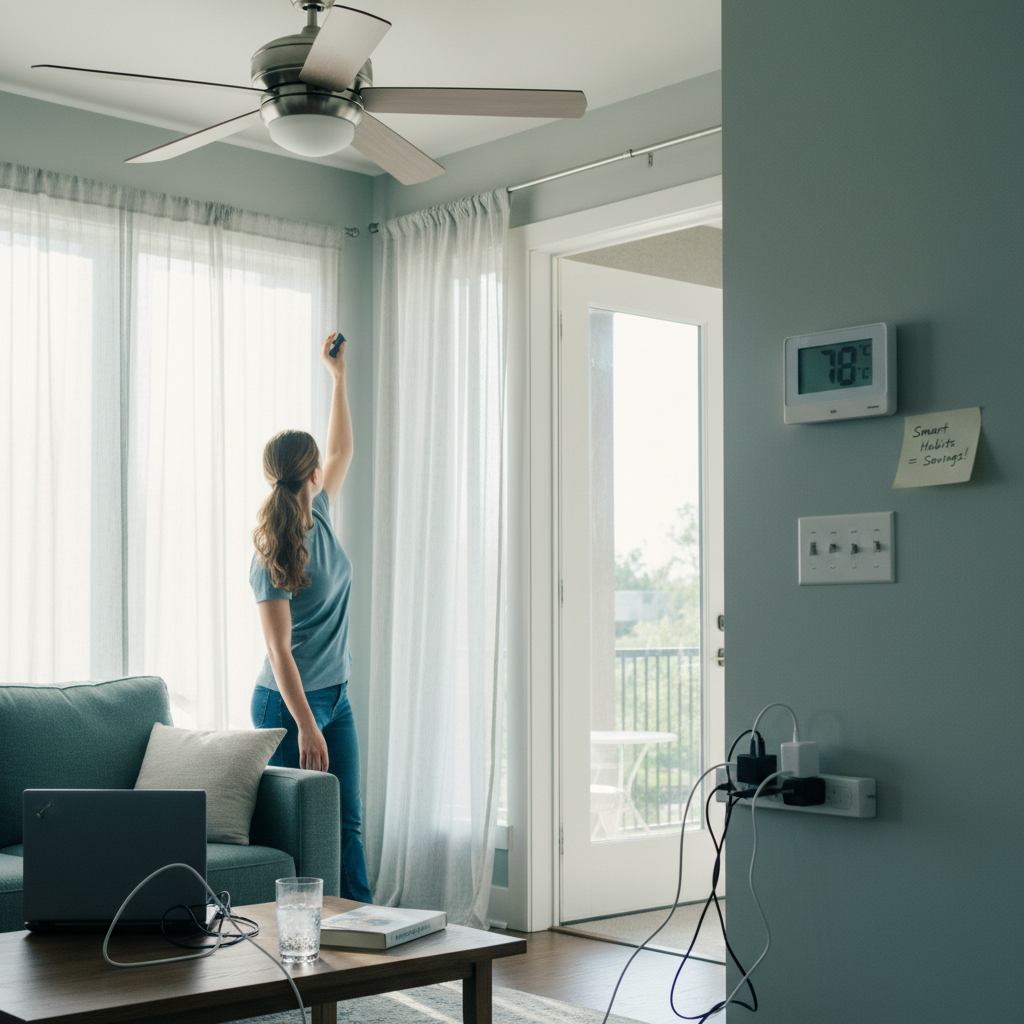
One of the biggest, yet often overlooked, culprits behind high electricity bills is what’s called “phantom load” or “vampire power”. This is the electricity that your electronics suck up, even when they’re turned off but still plugged in. Think about your TV, your computer, your phone charger, the microwave clock, and that gaming console. They’re all quietly sipping power, 24/7, costing you money you might not even realize you’re spending. Studies show that this “always-on” consumption can account for 5-10% of your total electricity bill.
**Why do we ignore it?** Because it feels insignificant. A little light on a TV, a faint hum from a charger – it’s easy to dismiss as negligible. We’re busy, we forget, or we just don’t think it makes that much difference. But those small drips add up to a significant leak over time.
## The Hidden Problems Caused by Ignoring Vampire Power
The obvious problem is the extra money you’re spending. But there are other hidden issues too:
* **Environmental impact:** Every kilowatt-hour used contributes to your carbon footprint.
* **Reduced appliance lifespan:** Over time, leaving electronics plugged in can cause them to degrade faster.
* **Fire hazard:** While rare, there is always a small risk of overheating with devices left plugged in.
## Common Mistakes That Worsen the Problem
* **Not unplugging chargers:** Leaving phone, laptop, and other chargers plugged in even when not in use is a major drain.
* **Leaving electronics on standby:** TVs, gaming consoles, and other devices use power even when “off.”
* **Ignoring power strips:** Power strips with an “off” switch are a simple solution, but often we don’t bother to use them.
## Simple Habit Changes to Start Saving Today
The good news is, fixing the phantom load problem is incredibly easy:
1. **Unplug frequently used devices:** Chargers, small kitchen appliances, etc. This is the most effective method.
2. **Use smart power strips:** Plug multiple devices into a power strip and switch it off when not in use. This is especially helpful for entertainment centers.
3. **Be mindful of standby mode:** Some devices have a “quick start” or “standby” mode that uses more power. Turn them off completely when not needed.
## Modern Lifestyle Relevance
In today’s tech-heavy world, the problem of phantom loads is bigger than ever. We have more devices than ever before. Phones, tablets, smart speakers, and smart home devices are now commonplace. All of these draw power, adding to the hidden costs. This makes managing vampire power a crucial skill for modern living.
## Long-Term Benefits: Savings, Safety, and Peace of Mind
Implementing these simple habit changes has several significant long-term benefits:
* **Significant cost savings:** Over time, unplugging devices can save you hundreds of dollars a year.
* **Increased safety:** Reducing the risk of electrical overheating and potential fire hazards.
* **Environmental responsibility:** Reducing your carbon footprint and contributing to a more sustainable lifestyle.
* **Peace of mind:** Knowing you’re actively managing your energy consumption and not wasting money.
## Beyond Phantom Loads: Other Simple Habits to Save on Your Electric Bill
While tackling phantom loads is a great starting point, consider these additional habits to further reduce your electricity bill:
* **Use LED light bulbs:** They use significantly less energy and last much longer than incandescent bulbs.
* **Adjust your thermostat:** Heating and cooling often account for the largest portion of your electric bill. Consider using a programmable or smart thermostat to automatically adjust the temperature based on your schedule.
* **Be mindful of hot water usage:** Reduce shower time, and consider washing clothes in cold water.
* **Use appliances efficiently:** Run full loads in your dishwasher and washing machine.
* **Improve insulation and air sealing:** Ensure your home is properly insulated to prevent heat loss and gain.
## Frequently Asked Questions (FAQ)
**Q: How much money can I really save by unplugging devices?**
A: The savings vary depending on the number of devices you have, their energy consumption, and your electricity rates. However, even a small number of devices can add up to $50-$100 or more per year.
**Q: Is it safe to unplug and replug devices frequently?**
A: Yes, it is generally safe. Most electronics are designed to be unplugged and re-plugged without any issues.
**Q: What about smart home devices? Do they use a lot of power?**
A: Yes, some smart home devices, like smart speakers and hubs, do consume electricity even when not actively in use. Using smart power strips can help manage their energy consumption.
**Q: What’s the best way to monitor my energy usage?**
A: Your electricity bill is the primary source of information, but you can also use a “kill-a-watt” meter to measure the energy consumption of individual devices. Many utility companies also provide online tools to track your usage.
**Q: Are there any hidden charges on my electric bill I should know about?**
A: Yes, there can be “hidden” charges, such as facilitation fees, renewable energy charges, and network access fees. Reviewing your bill carefully and understanding these fees can help you manage your costs.
**Q: I have an older home. Are there any special considerations for me?**
A: Older homes may have less efficient appliances and older wiring that can contribute to higher bills. Consider upgrading to ENERGY STAR appliances and having your electrical system inspected to ensure it can handle your current power demands.
**Q: Are there any government programs or rebates that can help me save money on electricity?**
A: Yes, many state and local governments offer energy efficiency programs, rebates on energy-efficient appliances, and tax credits for home energy improvements. Check with your local utility company or government agencies for details.
By making a few simple adjustments to your daily routine, you can make a real difference in your energy consumption and keep more money in your pocket. It’s about being aware, being proactive, and making smart choices that benefit your wallet and the planet. This is not about being perfect, it’s about making a conscious effort to adopt new habits and seeing the positive impact on your monthly bill.