
It’s Monday morning. You’re rushing, right? Trying to get out the door, maybe grab a quick breakfast, and get on with the day. You probably have a phone charger plugged in, maybe a laptop charging, and a few other things humming along, pulling power even when they’re “off.” Sound familiar? That’s how it is for most of us, and honestly, I used to be the same way. But all those small, everyday habits can add up to some pretty big problems down the road.
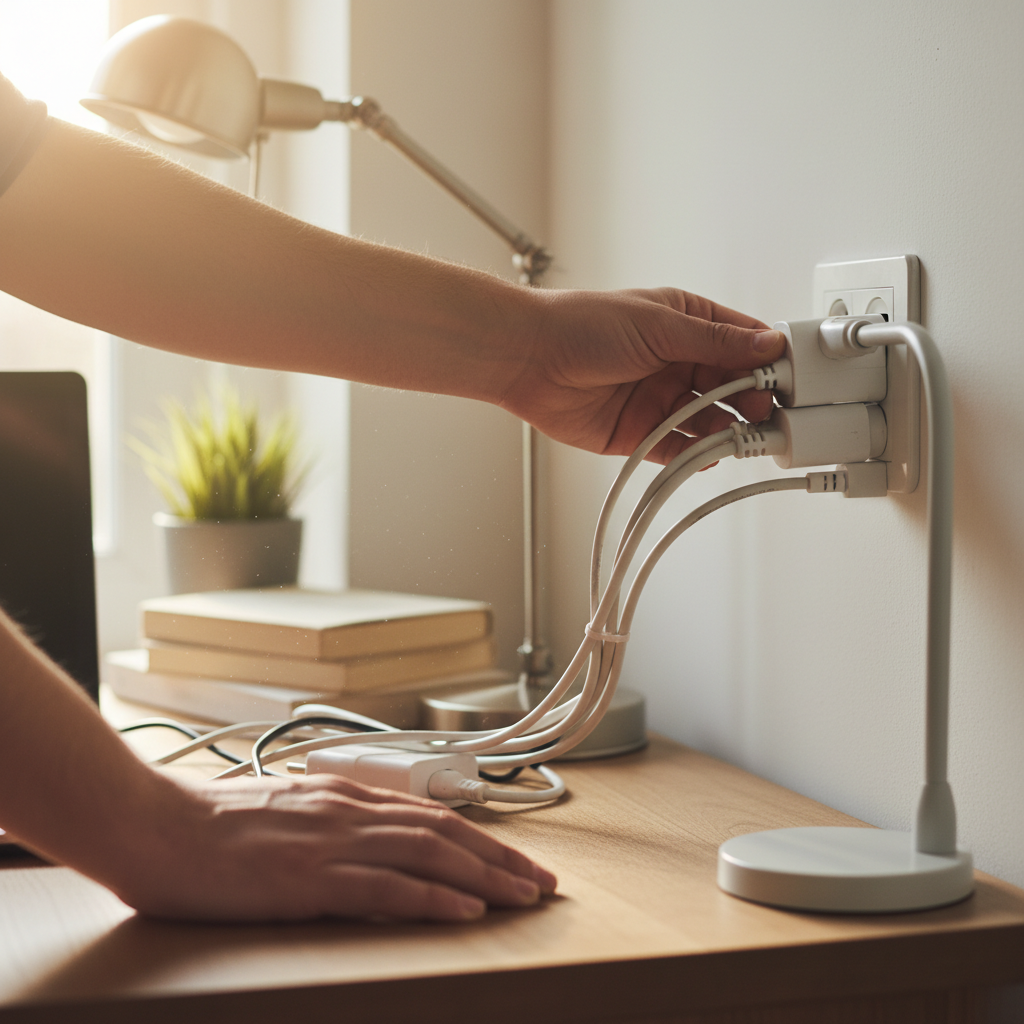
The “Always On” Trap
We’ve become a society of “always on.” Everything is plugged in, ready to go. Think about your TV, your gaming consoles, even your coffee maker. They’re often in standby mode, consuming a small amount of electricity constantly. It’s convenient, sure. But is it worth the cost and the risk?
Why We Ignore It
Here’s the thing: we often *know* we should unplug things. But the reasons we don’t are pretty easy to understand:
* **Convenience:** It’s easier to leave things plugged in. Who wants to crawl behind the TV every night?
* **Out of Sight, Out of Mind:** We don’t see the electricity being used, so we don’t *feel* the cost.
* **”It’s Just a Little Bit”:** We tell ourselves it’s such a small amount of power, it doesn’t matter.
I get it. I used to think the same way. But those “little bits” add up, both in terms of your energy bill and, more importantly, in terms of safety.
The Hidden Problems
Leaving things plugged in all the time does more than just drain your wallet. It can lead to:
* **Phantom Load:** This is the electricity used by devices while they’re “off.” It’s a sneaky expense. Some electronics can draw up to 10 watts of energy when they’re off but still plugged in. Over time, this can significantly increase your electricity bill.
* **Overheating:** Electrical cords and outlets can overheat, especially if they’re old or overloaded. This can be a fire hazard. Faulty outlets and switches, along with defective lighting fixtures, can all contribute to the risk of electrical fires.
* **Fire Hazards:** Faulty wiring, outdated appliances, and misuse of extension cords are all major contributors to electrical fires. Overloaded outlets and cords can overheat, and that’s when things get dangerous. In 2021, an estimated 24,200 residential electrical fires were reported.
* **Damaged Appliances:** Power surges, even small ones, can damage your electronics over time. Unplugging devices during storms or when you’re away can help protect them.
Common Mistakes (and How to Fix Them)
Let’s be real, we all make mistakes. Here are some common ones related to electricity, and how to correct them:
* **Overloading Outlets:** Plugging too many devices into a single outlet is a recipe for disaster.
* **Fix:** Use power strips with surge protection, and don’t overload them. If you need more outlets, have an electrician install them.
* **Using Damaged Cords:** Frayed or cracked cords are dangerous.
* **Fix:** Throw them away! Don’t try to “fix” them with tape. Replace them immediately.
* **Using Extension Cords as Permanent Wiring:** Extension cords are for temporary use only.
* **Fix:** If you need power in a certain spot regularly, install a proper outlet.
* **Ignoring Warning Signs:** Flickering lights, buzzing sounds, and warm outlets are all signs of a problem.
* **Fix:** Don’t ignore them! Call an electrician to check things out. If you experience frequent problems with blowing fuses or tripping circuit breakers, it is time to call an electrician.
* **Not Unplugging Devices:** The main focus of this article.
* **Fix:** Unplug electronics and appliances when not in use. Consider using smart plugs to make this easier.
Simple Habit Changes: Your Path to Safety and Savings
Here’s where the rubber meets the road. Here’s how to make some easy changes that can make a big difference:
* **Unplug, Unplug, Unplug:** Make it a habit to unplug chargers, small appliances (like your toaster or blender), and electronics when you’re not using them.
* **Use Power Strips:** Plug multiple devices into a power strip, then turn the strip off when you’re done. This is much easier than unplugging everything individually.
* **Inspect Cords Regularly:** Check for damage. If you see anything wrong, replace the cord immediately.
* **Don’t Overload Outlets:** Be mindful of how many things you’re plugging in.
* **Test Your Outlets:** Consider using an outlet tester to ensure that your outlets are properly wired.
* **Know Your Breaker Box:** Learn where it is and how to shut off power in case of an emergency.
Modern Lifestyle Relevance
In today’s world, we’re surrounded by electronics. From our phones and laptops to smart home devices, we rely on electricity more than ever. That’s why it’s even *more* important to be mindful of our electrical habits. Energy-saving habits don’t have to be overwhelming. The key is to make small, consistent changes to your daily routine.
Smart technology can help. Smart plugs can automatically turn off devices, and smart lighting can be scheduled or controlled remotely. This way, you’re only using energy when you need it.
Long-Term Benefits: Savings, Safety, and Peace of Mind
The benefits of these simple habit changes are significant:
* **Lower Electricity Bills:** You’ll see a noticeable difference in your energy costs.
* **Reduced Fire Risk:** You’ll be creating a safer home for yourself and your family.
* **Increased Appliance Lifespan:** Protecting your electronics from power surges can save you money in the long run.
* **Peace of Mind:** Knowing you’re taking steps to protect your home and your loved ones is priceless.
Frequently Asked Questions (FAQ)
Here are some of the questions I get asked most often about electrical safety:
Q: How often should I have my home’s electrical system inspected?
A: It’s a good idea to have a professional inspection every 3-5 years, or if you notice any problems. For renters, report electrical faults as soon as you spot a problem.
Q: Are extension cords safe?
A: They’re safe for *temporary* use, as long as you use them correctly. Don’t overload them, don’t run them under rugs, and don’t use them as a substitute for permanent wiring. If you rely on extension cords, it’s an indication that you have too few outlets to address your needs.
Q: What should I do if I smell something burning near an outlet?
A: Turn off the circuit breaker immediately and call an electrician. This could be a sign of a serious fire hazard.
Q: Can I fix electrical problems myself?
A: Unless you’re a qualified electrician, *no*. Electrical work can be dangerous. Leave it to the professionals. Avoid DIY electrical fixes.
Q: How can I tell if my outlets are grounded?
A: You can buy an outlet tester at any hardware store. It will tell you if the outlet is wired correctly. If you have a three-prong outlet, it should be grounded.
Q: Is it okay to use a two-prong adapter for three-prong plugs?
A: No. Never cut off the ground pin on a three-prong plug or use a two-prong adapter unless the outlet is properly grounded.
Q: What are some energy-saving tips for renters?
A: Set refrigerator temperatures to 36–39 degrees Fahrenheit. Unplug small appliances when they are not in use. Know where your breaker box is. Do not overload your outlets.
Conclusion
Taking care of your home’s electrical system doesn’t have to be complicated. By making a few simple changes to your daily routine, you can create a safer home, save money, and have peace of mind. It’s a small price to pay for a big reward. Why not start today?
If you are looking for more ways to make your home a safer and more efficient place, take a look at our related article: My Washing Machine Woes: A Homeowner’s Guide to Clean Clothes and Fewer Headaches.