
It’s a weekday evening, and the aroma of reheated leftovers fills the kitchen. The microwave, that ubiquitous box of culinary convenience, hums quietly, working its magic to transform last night’s dinner into a quick and easy meal. But have you ever stopped to think about the workhorse on your countertop? The microwave, often taken for granted, deserves some appreciation and, more importantly, a little bit of care. Let’s delve into the world of microwave maintenance, exploring how to keep yours humming along efficiently and safely for years to come.
Why Microwaves Need Love Too
We use our microwaves every day. From popping popcorn to defrosting chicken, it’s a staple in modern living. But constant use, spills, and the general wear and tear of kitchen life can take a toll. Neglecting your microwave can lead to uneven heating, strange noises, and even potential safety hazards. Regular maintenance isn’t just about keeping things clean; it’s about ensuring your microwave functions optimally and lasts longer.
Common Microwave Mistakes & How to Avoid Them
Let’s face it: we’ve all made microwave mistakes. Here are some of the most common pitfalls and how to steer clear:
* **Zapping Metal:** This is a big no-no! Placing metal objects (forks, aluminum foil, metal containers) inside a microwave can cause sparks, arcing, and potentially damage the magnetron, which generates the heat. Always use microwave-safe dishes.
* **Overlooking Spills:** Spills happen, but letting them linger is a recipe for trouble. Food buildup can lead to fires. Wipe up spills immediately to prevent them from hardening and causing electrical issues.
* **Ignoring Unusual Noises:** A humming, buzzing, or grinding sound that wasn’t there before is a sign that something’s amiss. It could be a faulty motor, magnetron, or other internal component. Don’t ignore it!
* **Running it Empty:** Microwaving nothing can damage the magnetron. Always have something inside to absorb the microwaves.
* **Overlooking the Door:** The door seal is crucial for preventing radiation leaks. Make sure it closes properly and inspect it regularly.
Simple Maintenance & Care Tips
Taking care of your microwave doesn’t require a lot of effort, but the benefits are significant:
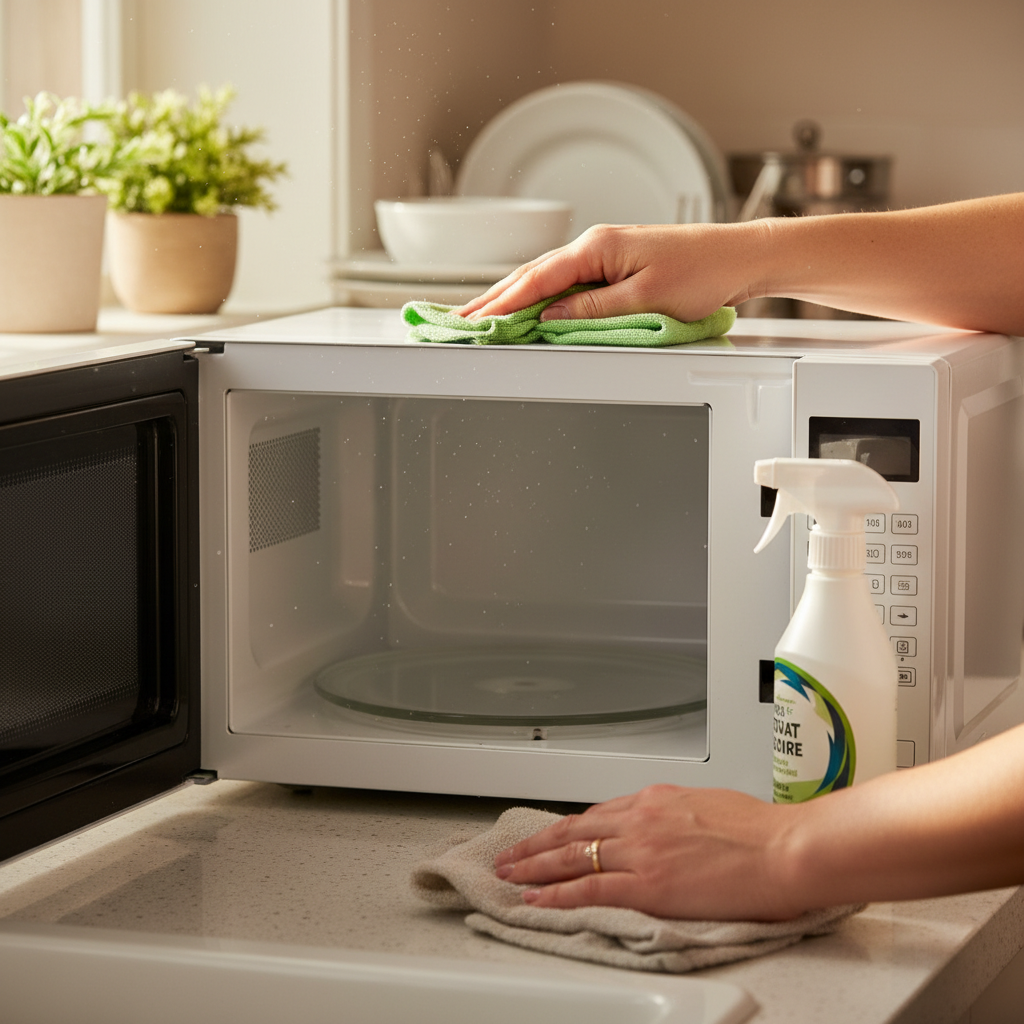
* **Regular Cleaning:** Wipe down the interior after each use to prevent buildup.
* **Deep Cleaning:** Once a month, give your microwave a thorough cleaning. A simple method is to microwave a bowl of water and vinegar (or lemon juice) for a few minutes. The steam will loosen grime, making it easier to wipe away.
* **Check the Turntable:** Ensure the turntable is clean and rotates freely. Clean any food debris that could be preventing the plate from spinning.
* **Ventilation:** Check the vents regularly to ensure they’re not blocked. This helps the microwave cool down efficiently.
* **Exterior Care:** Don’t forget to clean the outside, too! Use a mild detergent and a soft cloth to remove grease and smudges.
When to Call a Professional
While some issues you can handle yourself, certain problems require expert attention. Don’t hesitate to call a professional if:
* **There are Sparks or Arcing:** This is a clear sign of a serious problem, and it can be dangerous.
* **You Smell Burning or Electrical Odors:** This suggests internal damage or overheating.
* **The Microwave Isn’t Heating Food Properly:** This could indicate a faulty magnetron or other internal issues.
* **Unusual Noises Persist:** If you hear buzzing, humming, or grinding noises, a professional should inspect the appliance.
* **The Door Doesn’t Close or Seal Properly:** A malfunctioning door poses a safety risk.
* **The Microwave is Over 10 Years Old:** Like any appliance, microwaves have a lifespan. Consider replacing an older model.
Professional appliance repair services have the expertise to diagnose the problem and recommend the best course of action. Sometimes, a simple repair can extend the life of your microwave; other times, replacement is the more cost-effective option.
Seasonal Relevance
Microwave care isn’t necessarily tied to specific seasons, but a few considerations can be made:
* **Summer:** With warmer temperatures, you might use your microwave less for reheating and more for quick cooking. Ensure the vents are clear to prevent overheating.
* **Monsoon:** Humidity can affect electrical components. Make sure your microwave is in a well-ventilated area.
* **Winter:** You might use your microwave more for reheating and defrosting. Pay extra attention to cleaning up spills promptly.
Long-Term Prevention Habits
Building good habits now can save you headaches (and money) later:
* **Read the Manual:** Understand your microwave’s specific features and any manufacturer recommendations for care.
* **Use the Right Containers:** Always use microwave-safe dishes.
* **Don’t Overcrowd:** Avoid overfilling your microwave, which can lead to uneven heating.
* **Unplug When Not in Use (Optional):** This can save a tiny bit of energy and prevent electrical surges from damaging the unit, though the savings are minimal. You can read more about saving energy in this related article, The Unseen Drain: How Phantom Electricity Costs You (and How to Stop It).
* **Schedule a Checkup (Optional):** If you use your microwave frequently, consider having it professionally inspected every few years.
Frequently Asked Questions
Here are some common questions homeowners have about microwave maintenance:
* **How often should I clean my microwave?**
Wipe down the interior after each use. Give it a more thorough cleaning once a month.
* **What’s the best way to clean a microwave?**
A simple method is to microwave a bowl of water and vinegar (or lemon juice) for a few minutes. The steam will loosen grime, making it easier to wipe away.
* **What should I do if my microwave sparks?**
Stop using the microwave immediately and have it inspected by a professional.
* **Why isn’t my microwave heating food?**
This could be due to a faulty magnetron, diode, or a door switch issue. Have it checked by a professional.
* **Can I use my microwave without the turntable?**
It’s possible, but it may cause uneven cooking.
* **How do I get rid of microwave odors?**
Place a bowl of water and a few slices of lemon in the microwave and run it on high for several minutes.
* **What are the signs that my microwave is going bad?**
Unusual noises, uneven heating, sparks, burning smells, and the door not closing properly are all warning signs.
* **How long should a microwave last?**
The average lifespan of a microwave is about 10 years.
Conclusion: Extending the Life of Your Microwave
Taking a few simple steps to care for your microwave can significantly extend its lifespan and ensure it continues to be a reliable part of your kitchen. By understanding common mistakes, practicing regular cleaning, and knowing when to seek professional help, you can keep your microwave humming along, making meal prep a breeze. Remember, a little bit of care goes a long way in preserving this essential appliance. For more home care tips and tricks, visit our homepage.