
Let’s face it: our ovens are absolute workhorses. They bake the birthday cakes, roast the holiday turkeys, and reheat those late-night leftovers. But how often do we actually stop to *think* about our ovens, beyond setting the temperature and timer? Probably not often enough. I know, because I’ve been there. One minute, I’m pulling out a perfectly golden pie; the next, I’m staring at a burnt offering, wondering what went wrong.
That’s why I’m sharing some hard-earned lessons on how to keep your oven running smoothly, avoid common pitfalls, and extend its lifespan. Because a well-maintained oven is a happy oven, and a happy oven makes for delicious meals.
Why Your Oven Needs Some TLC
Ovens, like any appliance, don’t last forever. They’re subject to heat, spills, and the general wear and tear of daily use. And the more you use your oven, the more important it is to take care of it. Regular maintenance can increase your oven’s lifespan, avoid repair costs, and keep your kitchen hygienic.
The first thing to understand is how your oven *works*. Most ovens have heating elements (either electric coils or gas burners) that generate heat, a thermostat to regulate the temperature, and a door seal to keep the heat *in*. Problems can arise in any of these areas, leading to everything from uneven cooking to a complete oven shutdown.
Common Oven Mistakes and How to Avoid Them
Over the years, I’ve made just about every oven mistake in the book. Here are some of the most common ones and how to sidestep them:
1. Neglecting the Cleaning Routine
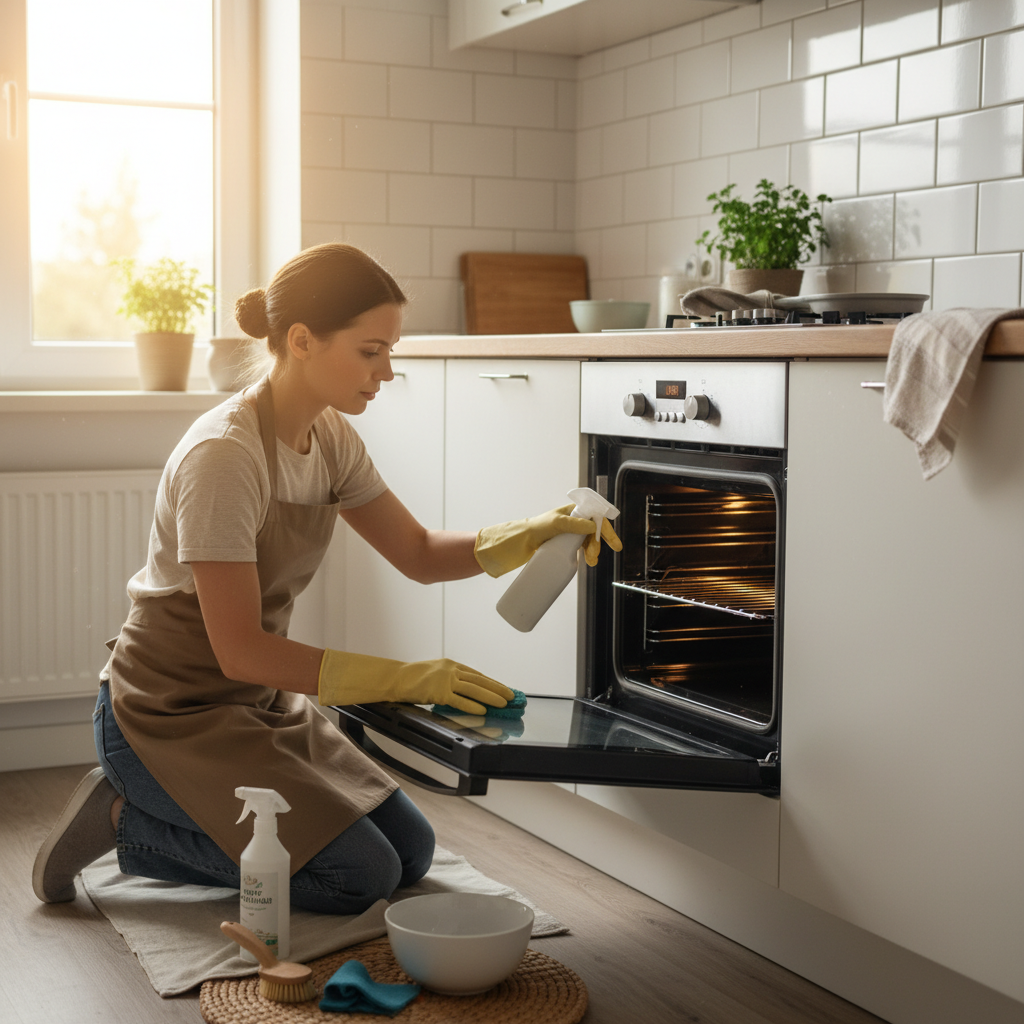
This is a big one. We’ve all been there: a spill here, a splatter there, and before you know it, the inside of your oven looks like a crime scene. But letting food and grease build up is a recipe for disaster. It can lead to uneven heating, smoking, and even potential fire hazards. Clean your oven regularly to prevent buildup that affects temperature accuracy.
**Mistake:** Putting off cleaning until it’s a monumental task.
**Solution:** Wipe up spills *immediately*. Make it a habit to give your oven a quick clean after each use. For tougher messes, a good scrub with a baking soda paste (or a commercial oven cleaner, if you prefer) can work wonders.
2. Ignoring the Door Seal
That rubber gasket around your oven door is crucial. It keeps the heat *in* and the cold *out*. A damaged seal can cause heat to escape, leading to longer cooking times, uneven results, and higher energy bills.
**Mistake:** Not checking the door seal regularly.
**Solution:** Inspect the seal every few months. Look for cracks, tears, or any areas where it’s not making a tight fit. If you see any damage, it’s time to replace the seal. Replacement is usually a DIY job.
3. Overcrowding the Oven
Trying to cram too many dishes into your oven is a common mistake. It restricts airflow, leading to uneven cooking and longer cooking times.
**Mistake:** Thinking you can fit everything in one go.
**Solution:** Give your dishes some space. Use multiple racks if necessary, and ensure there’s enough room for air to circulate around each item.
4. Not Using an Oven Thermometer
Ovens aren’t always accurate. The temperature dial may not reflect the actual temperature inside. This can lead to undercooked or overcooked food, and you might think it’s a cooking error when it is not.
**Mistake:** Blindly trusting your oven’s temperature settings.
**Solution:** Invest in an oven thermometer. Place it inside your oven and check the temperature regularly to ensure it’s accurate. If it’s off, you may need to recalibrate your oven or have it serviced.
5. Ignoring Strange Noises or Smells
Ovens are generally quiet appliances. Any unusual noises or smells should be investigated. Buzzing, clicking, or hissing sounds, or burning smells, can indicate a problem.
**Mistake:** Assuming those strange sounds or smells will just go away.
**Solution:** If you notice anything out of the ordinary, turn off the oven immediately. Check the heating elements for visible damage. If you smell burning, it could be insulation or a shorted element. If the problem persists, call a professional.
Simple Oven Care and Maintenance Tips
Here are some simple steps to keep your oven in top condition:
- Clean Regularly: Wipe up spills immediately and deep-clean your oven every few months. Use the self-cleaning feature if your oven has one, but be aware that it generates a lot of heat.
- Check the Door Seal: Inspect the door seal regularly for damage. Replace it if necessary.
- Use an Oven Thermometer: Verify your oven’s temperature accuracy.
- Avoid Harsh Chemicals: Stick to oven-safe cleaning products.
- Don’t Overcrowd: Space out dishes to allow for good air circulation.
- Check Heating Elements: Periodically make sure all elements are functioning correctly.
When to Fix it Yourself vs. Call a Professional
Some oven problems are easy to fix yourself. Replacing a lightbulb or a door seal is usually a straightforward DIY job. But knowing when to call in the pros is essential.
**DIY:**
- Replacing lightbulbs.
- Replacing door seals.
- Simple cleaning.
**Call a Professional:**
- If the oven won’t heat up at all.
- If you smell burning or electrical odors.
- If the heating elements are damaged.
- If the oven makes strange noises.
- For any gas oven issues.
- If you are not comfortable working with electrical appliances.
Seasonal Oven Considerations
Your oven’s performance can be affected by the seasons.
* Summer: With higher ambient temperatures, your oven might take longer to preheat. Make sure your kitchen is well-ventilated when the oven is in use.
* Winter: Cold temperatures can also affect preheating times. Ensure your oven is properly insulated and that the door seals are in good condition.
Long-Term Prevention Habits
Building these habits will help you maintain your oven for years to come:
- Regular Cleaning: Make it a part of your routine.
- Preventative Maintenance: Schedule annual inspections with a qualified appliance technician.
- Proper Usage: Always use oven-safe cookware. Avoid overcrowding.
- Read the Manual: Know your oven. Understand its features and limitations.
Frequently Asked Questions (FAQs)
Here are some frequently asked questions about oven care and maintenance:
Q: How often should I clean my oven?
A: Give your oven a thorough cleaning every few months, or more frequently if you use it often. Wipe up spills immediately after they happen.
Q: My oven isn’t heating up. What should I do?
A: First, check the circuit breaker. If that’s not the problem, check the heating elements for visible damage. If the problem persists, you’ll likely need to call a professional.
Q: What can I use to clean my oven?
A: For light cleaning, use a damp cloth with mild detergent. For tougher messes, you can use a paste of baking soda and water or a commercial oven cleaner.
Q: How do I know if my oven door seal is bad?
A: Visually inspect the seal for cracks, tears, or gaps. If it’s damaged, it needs to be replaced.
Q: Should I use aluminum foil in my oven?
A: It’s generally best to avoid using aluminum foil on the bottom of the oven, as it can block airflow and potentially damage the heating elements. Using foil on the oven racks isn’t usually a problem. However, make sure foil is not touching the heating elements, and avoid using it to completely line the bottom of the oven.
Q: My oven is making strange noises. What should I do?
A: Turn off the oven immediately and contact a qualified appliance technician. Strange noises can indicate a serious problem.
Q: How can I prevent oven problems?
A: Clean your oven regularly, inspect the door seal, and have your oven professionally serviced annually.
Q: Can I replace my oven’s heating element myself?
A: Replacing a heating element is often a relatively straightforward DIY job, but if you’re not comfortable working with electrical components, it’s best to call a professional. Always disconnect power to the oven before attempting any repairs.
As I’ve learned, taking care of your oven isn’t just about cooking. It’s about keeping a vital part of your home running smoothly. With a little care and attention, your oven can continue to serve you for many years, baking countless memories, and delicious meals, as well. For further insights on general home maintenance, feel free to visit our Homepage. And if you’re looking for other appliance tips, check out The Unsung Hero: Keeping Your Fridge Running Smoothly, for more household wisdom.