
It’s 7:00 AM. The alarm blares, you hit snooze, and the cycle of a typical day begins. You stumble into the kitchen, the coffee maker’s already warmed up. After your morning coffee, you glance at the TV, switch it on while you quickly get ready and leave your home. You’ve forgotten to turn it off completely and it’s switched to standby mode. Sound familiar? We all do it. These small habits, seemingly harmless, are often the root of bigger problems than we realize. Let’s talk about the silent energy vampires lurking in your home, draining your wallet, and chipping away at your peace of mind: phantom loads.
What’s a Phantom Load, Anyway?
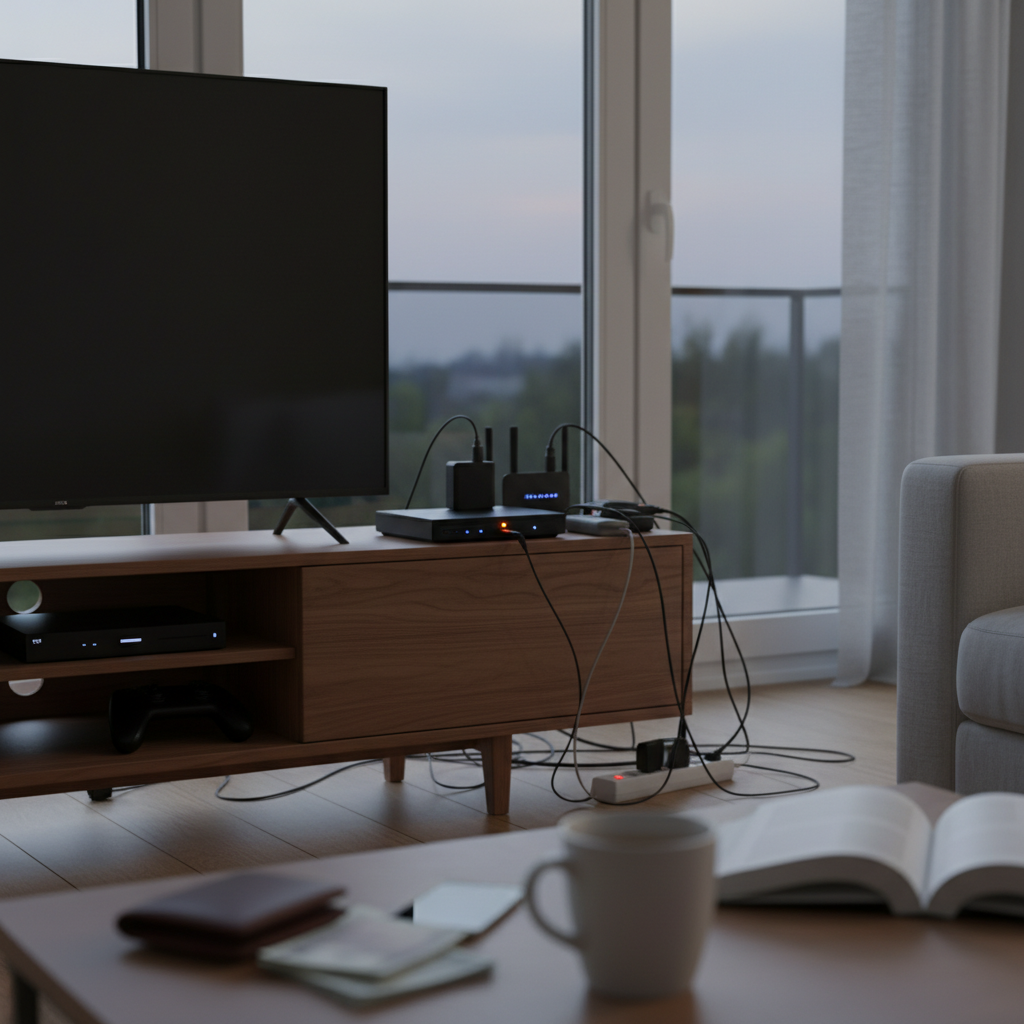
Phantom load, also known as standby power or vampire power, refers to the electricity consumed by electronic devices when they are turned off but still plugged in. Think of it like a zombie – it’s technically dead, but still… consuming. This includes anything with a power adapter, a remote control, or a digital clock. That TV in standby mode? Phantom load. Your phone charger left plugged in even after your phone is fully charged? Phantom load. The microwave, the computer, the gaming consoles – they’re all potential energy vampires.
Why We Ignore the Problem
So, why do we let these energy vampires thrive? Here’s why:
- Convenience: It’s easier to leave things plugged in. Who wants to crawl behind the TV every night?
- Ignorance: Many people simply aren’t aware of the issue or underestimate the impact. “It’s just a little bit of power,” they think.
- Out of Sight, Out of Mind: The energy consumption is invisible. You don’t see it, you don’t feel it, so it’s easy to forget about it.
The Hidden Costs of Phantom Loads
The “little bit of power” adds up, believe me. Here’s a breakdown of the hidden costs:
- Increased Electricity Bills: This is the most obvious one. Over time, phantom loads can significantly increase your monthly electricity bill.
- Environmental Impact: The more electricity you consume, the greater your carbon footprint. Reducing phantom loads is an easy way to contribute to a greener planet.
- Reduced Appliance Lifespan: Constantly plugged-in devices generate heat, which can gradually degrade components and shorten their lifespan.
- Fire Hazard: Although rare, faulty electronics left plugged in can pose a fire hazard.
Common Mistakes We Make
Let’s face it; we all make mistakes. Here are some common ones that contribute to phantom load:
- Leaving chargers plugged in: Even without a device connected, chargers continue to draw power.
- Not fully switching off devices: Televisions, computers, and other devices often have a “standby” or “sleep” mode that still consumes electricity.
- Using power strips incorrectly: Power strips are great, but if you don’t switch them off when not in use, they’re just another source of phantom load.
- Ignoring older appliances: Older appliances tend to be less energy-efficient and consume more power in standby mode.
Simple Habit Changes: Power Up Your Savings and Safety
The good news? Fixing this is easy. Here are some simple habit changes you can implement today:
- Unplug Chargers: This is the easiest step. Unplug your phone, laptop, and other chargers when you’re not using them.
- Use Power Strips: Plug multiple devices into a power strip and switch the strip off when you’re not using them. This makes it easy to cut off power to multiple devices at once.
- Unplug Devices When Not in Use: Make it a habit to unplug devices like your TV, gaming consoles, and microwave when you’re not using them for extended periods.
- Choose Energy-Efficient Appliances: When buying new appliances, look for the Energy Star label. These appliances are designed to consume less energy.
- Be Mindful of “Sleep” Modes: Understand how your devices’ “sleep” or “standby” modes work. Some consume more power than others.
- Conduct an Energy Audit: Once a year, walk around your house and identify all the devices that are plugged in. Then, determine which ones you can unplug or switch off when not in use.
The Modern Relevance: Lifestyle, Tech, and Peace of Mind
In today’s fast-paced world, we’re surrounded by more electronics than ever. From smart home devices to multiple screens, our reliance on technology is constantly increasing. This makes tackling phantom loads even more critical.
Consider smart plugs. They allow you to control devices remotely and monitor their energy consumption. Some smart power strips even have a “master” outlet that turns off all other outlets when the master device is turned off. These devices make it easier than ever to manage your energy use and reduce phantom loads. Smart home technology is becoming more accessible and affordable, empowering you to take control of your energy consumption.
Beyond the financial savings, reducing phantom loads contributes to a more sustainable lifestyle. It’s a step towards lowering your carbon footprint and living more consciously. It also offers peace of mind. Knowing you’re not wasting energy and potentially reducing the risk of fire hazards can significantly reduce stress.
Long-Term Benefits: Savings, Safety, and a Greener Home
The benefits of tackling phantom loads extend far beyond immediate cost savings. Here’s a look at the long-term advantages:
- Significant Financial Savings: Over time, the accumulated savings on your electricity bill can be substantial. You might be surprised at how much you’re wasting each month.
- Enhanced Safety: Unplugging devices when not in use reduces the risk of electrical fires.
- Extended Appliance Lifespan: By reducing the heat generated by constantly plugged-in devices, you can extend their lifespan, saving you money on replacements.
- Environmental Responsibility: You’re reducing your carbon footprint and contributing to a healthier planet.
- Increased Awareness and Smart Habits: Tackling phantom loads encourages a more mindful approach to energy consumption, leading to other smart habits that save money and reduce waste.
FAQ: Your Questions Answered
Let’s address some common questions about phantom loads:
1. How much money can I really save by eliminating phantom loads?
The amount you save depends on your household’s energy usage, the number of devices you have, and your electricity rates. However, even a few dollars saved per month can add up to a significant amount over a year. Some estimates suggest you can save 10% or more on your electricity bill.
2. Are all devices equally guilty of phantom load?
No. Devices with larger power adapters (like those for laptops) and those with digital clocks or standby modes tend to consume more power in standby mode. Older appliances tend to be less energy-efficient.
3. Does it make a difference if I only leave things plugged in for a few hours a day?
Yes, every bit counts! Even a few hours of phantom load can add up over time. Aim to unplug devices whenever you’re not actively using them for the best results.
4. What about my refrigerator? Should I unplug that too?
No! Do NOT unplug your refrigerator. It needs to run continuously to keep your food safe. However, make sure it’s running efficiently. Check the door seals and ensure it’s not set to a temperature colder than necessary. Also, ensure there is enough space around it. To learn how to keep your refrigerator running smoothly, you may find this article useful: The Silent Guardian: Keeping Your Refrigerator Running Smoothly.
5. Are there any devices that are okay to leave plugged in?
Yes, some devices consume very little power in standby mode, and it may not be practical to unplug them. Examples include some modern routers and modems. But it’s always worth checking the energy consumption of your devices.
6. Is it worth buying smart plugs to tackle phantom loads?
Yes, smart plugs can be a great investment, especially for devices you use infrequently. They allow you to control devices remotely, monitor energy consumption, and automate your energy-saving efforts. Check out this link for more advice!
7. What about my phone charger? Does it use energy when my phone is fully charged?
Yes, most phone chargers continue to draw a small amount of power even after your phone is fully charged. That’s why it’s best to unplug it when your phone is not connected.
Take Action Today
Phantom loads are a silent drain on your finances and the environment, but they’re easily tackled. Start by making small changes: unplug chargers, use power strips, and be mindful of your devices’ energy usage. These simple habits can lead to significant savings, a safer home, and a cleaner conscience. It’s time to take control of those energy vampires and reclaim your wallet, your home, and your peace of mind.