
It was a Tuesday, just like today, though a few years ago. I was in a rush, late for a meeting, and quickly heating up some leftovers. That’s when it happened. A sudden *pop*, followed by a flash, and then… silence. My microwave, my kitchen workhorse, had given up the ghost. Now, I wouldn’t wish this kind of appliance heartbreak on anyone. It was a stark reminder of how much we rely on these things, and how little attention we pay to them until they fail. Trust me, I’ve learned a lot since then, and I’m here to share some practical wisdom on keeping your microwave humming along, year after year.
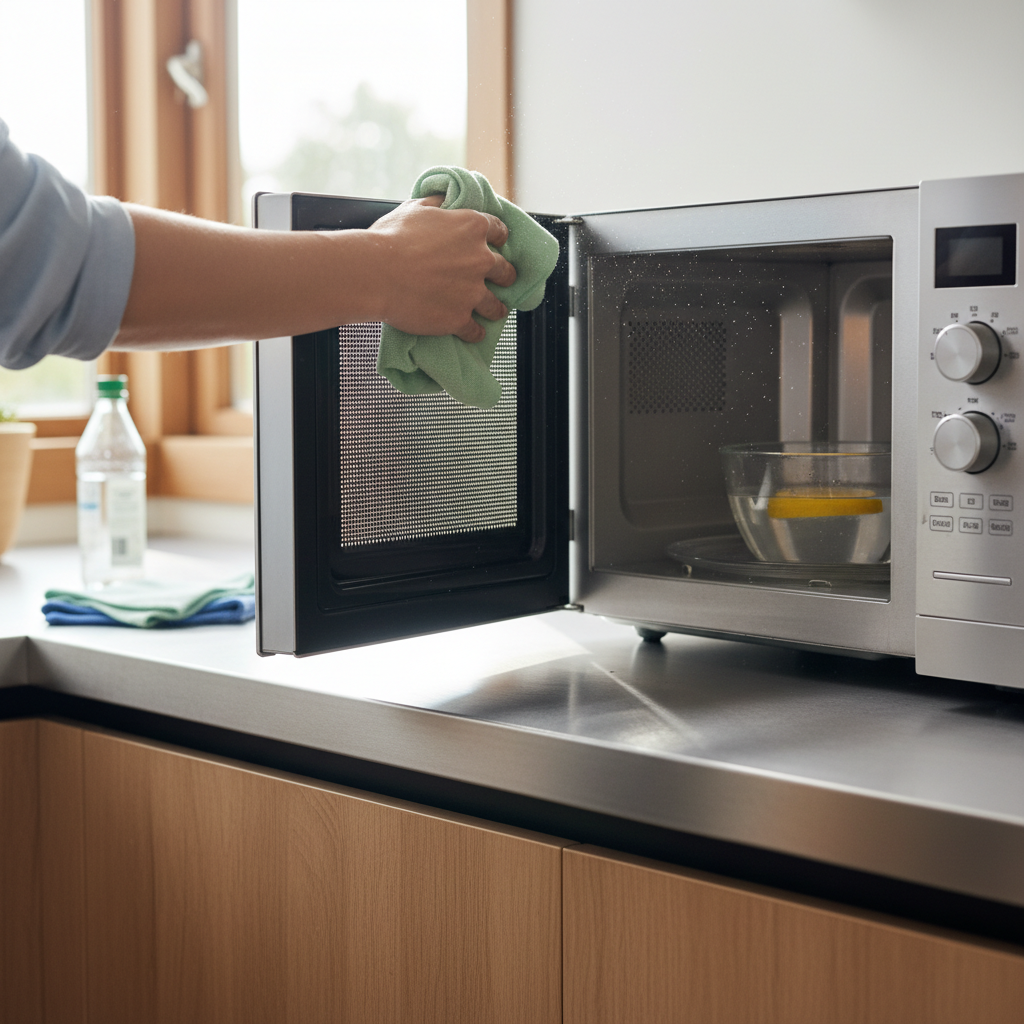
Why Microwaves Fail – The Usual Suspects
Let’s get one thing straight: microwaves aren’t indestructible. They’re complex little machines, and like any appliance, they’re susceptible to problems. The good news is, many common issues are easily preventable or fixable.
One of the biggest culprits? **Food buildup.** That spaghetti sauce explosion you *thought* you cleaned up? It’s still there, slowly baking onto the interior, potentially causing damage. Over time, this buildup can lead to arcing (sparks), and even fires.
Another common issue is **door problems**. Repeated slamming, or simply wear and tear, can misalign the door, preventing it from sealing properly. This isn’t just a convenience issue; it can affect the microwave’s ability to heat food efficiently.
Then there are the **mechanical issues**. The rotating plate motor, the magnetron (the heart of the microwave), and even the control panel can all malfunction. Sometimes these issues are due to age, but often, they’re exacerbated by neglect.
Common Mistakes We All Make (And How to Avoid Them)
We’re all guilty of these things. But recognizing these mistakes is the first step in avoiding them.
* **Not Cleaning Regularly:** This is the big one. We’re busy, and it’s easy to put off cleaning. But those food splatters, as I said, can cause all sorts of problems.
* **Using the Wrong Dishes:** Metal, foil, and even some plastics don’t belong in the microwave. They can cause sparks and damage the appliance.
* **Overloading the Microwave:** Cramming too much food into the microwave can prevent proper heating and strain the components.
* **Ignoring Unusual Noises:** A humming, buzzing, or grinding sound is often a sign of a problem. Don’t ignore it.
* **Slamming the Door:** It might seem harmless, but slamming the door can misalign the door and damage the latching mechanisms.
Simple Maintenance Tips – Your Microwave’s Best Friends
Fortunately, taking care of your microwave doesn’t require a lot of time or effort. Here’s what you need to do:
* **Clean Regularly:** Wipe down the interior *after every use*. Use a damp cloth or sponge with a little dish soap. For tougher messes, try the steam cleaning method (see below).
* **Steam Clean for Stubborn Messes:** Fill a microwave-safe bowl with a cup of water and a tablespoon of vinegar or lemon juice. Heat for 3-5 minutes until it boils and creates steam. Let it sit for a few minutes, and then wipe the interior. The steam loosens the grime, making it much easier to clean.
* **Cover Your Food:** This simple step prevents splatters and makes cleaning much easier.
* **Check the Door Seal:** Make sure the door seals tightly. If the seal is damaged or worn, the microwave won’t heat efficiently.
* **Inspect the Turntable:** Regularly check that the turntable rotates smoothly and that the rollers are clean.
* **Don’t Run Empty:** Never operate the microwave without food or liquid inside. The microwaves have nothing to absorb, potentially damaging the magnetron.
* **Keep the Exterior Clean:** Wipe down the outside of the microwave with a damp cloth to remove any grease or grime.
When to Call a Pro vs. DIY Repairs
Some microwave problems are easy fixes, while others require professional help.
**DIY-Friendly Issues:**
* **Cleaning:** This is always a DIY job.
* **Turntable Problems:** Usually, you can realign the plate or clean the rollers yourself.
* **Door Issues:** Tightening loose screws might solve a door problem.
**When to Call a Professional:**
* **Microwave Not Heating:** This could indicate a problem with the magnetron or other internal components.
* **Sparks and Arcing:** This is a safety hazard and needs immediate attention.
* **Unusual Noises:** If you hear buzzing, humming, or grinding, it’s best to have a professional diagnose the problem.
* **Touchpad Problems:** If the control panel isn’t working, it could be a wiring issue.
Seasonal Relevance – Microwave Care Throughout the Year
Microwave care isn’t just about what you do; it’s also about when you do it.
* **Summer:** With more outdoor cooking, you might be using your microwave less. Give it a thorough cleaning before the heavy cooking season ends.
* **Monsoon:** Humidity can sometimes affect appliances. Ensure your microwave is well-ventilated and that there are no signs of moisture buildup.
* **Winter:** Cold weather won’t directly affect your microwave, but it’s a good time to do a deep clean and check for any issues.
Long-Term Prevention – Habits That Extend Lifespan
* **Invest in a microwave cover:** It’s a small investment that can save you a lot of cleaning time.
* **Read the manual:** Learn the recommended power settings and cooking times for different foods.
* **Unplug when not in use:** This can help protect your microwave from power surges.
* **Get an annual check-up:** If you use your microwave heavily, consider having it professionally inspected once a year.
By following these tips, you can significantly extend the life of your microwave and keep it working efficiently for years to come. Remember, a little care goes a long way. Check out for more home maintenance tips.
In the meantime, if you’re experiencing washing machine issues, this might help you: The Silent Struggles: Decoding Your Washing Machine’s Secrets.
Frequently Asked Questions (FAQs)
Here are some common questions about microwave care:
**Q: How often should I clean my microwave?**
A: Wipe down the interior after *every* use. Deep clean at least once a month, or more often if you use your microwave frequently.
**Q: What’s the best way to clean a microwave?**
A: Steam cleaning with water and vinegar or lemon juice is very effective. Use a damp cloth or sponge to wipe the interior after steaming.
**Q: Can I put metal in my microwave?**
A: No! Metal can cause sparks and damage the appliance.
**Q: My microwave is making a loud buzzing noise. What’s wrong?**
A: This could indicate a problem with the magnetron or another internal component. It’s best to have it checked by a professional.
**Q: How can I prevent food splatters?**
A: Use a microwave-safe cover.
**Q: My microwave isn’t heating. What should I do?**
A: First, check the door to make sure it’s closed properly and the outlet is working. If the problem persists, it may be an internal issue, and you’ll want to contact a professional.
**Q: Should I be worried about radiation from my microwave?**
A: Microwaves are designed to contain radiation. Regular cleaning and checking the door seal can help ensure your microwave is safe. Focus on preventing grease buildup to avoid electrical fires.