
It was a Monday morning, and I was already running late. I threw a load of laundry into the washing machine, slammed the door, and hit the start button. The machine hummed, filled with water, and then… nothing. No spinning, no washing, just a silent, mocking machine full of wet clothes. Sound familiar? We’ve all been there. Washing machines, those unsung heroes of the home, can be temperamental beasts. But understanding their quirks can save you time, money, and a whole lot of frustration.
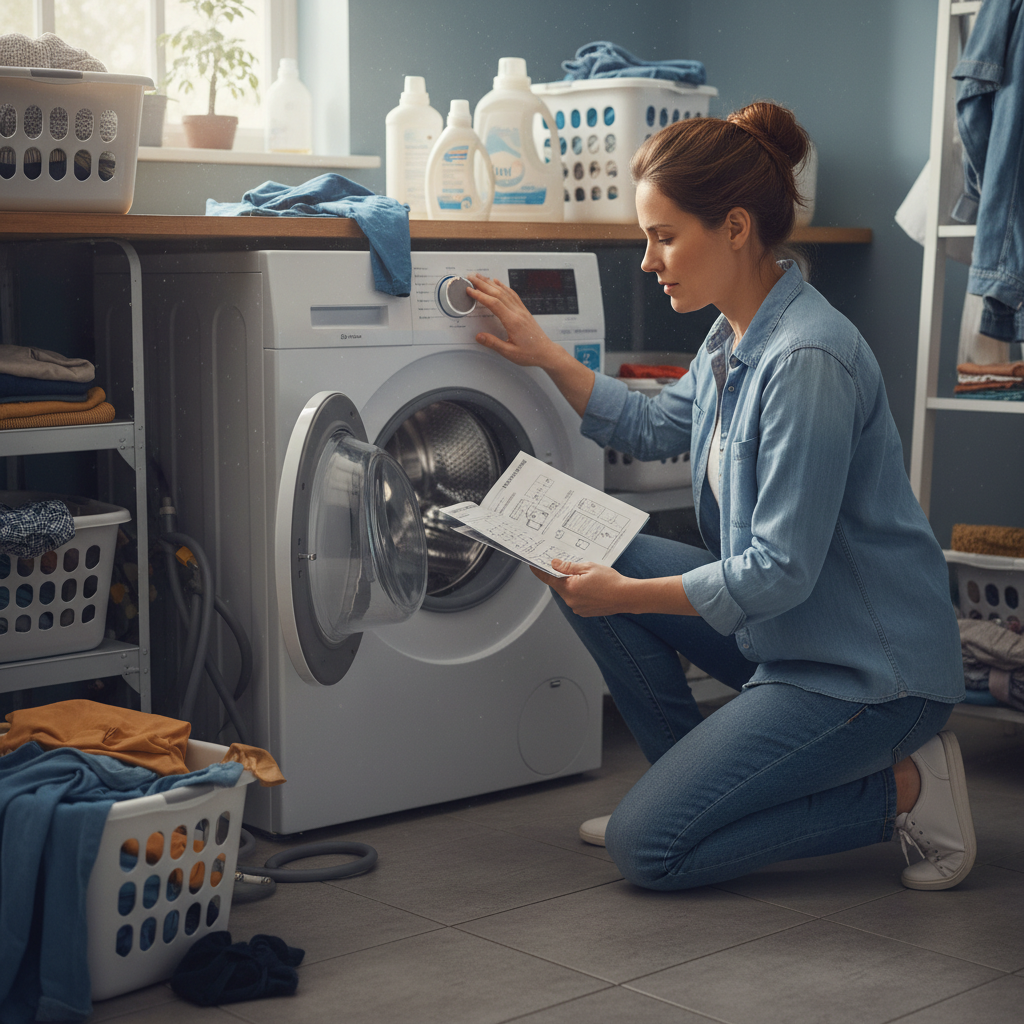
Why Your Washing Machine Acts Up
Washing machines, like any complex appliance, are prone to issues. These problems can range from minor annoyances to major breakdowns. Many issues stem from simple things we do every day, often without realizing the impact. Let’s delve into some common culprits:
1. The Overload Offense
We’ve all been tempted to cram as many clothes as possible into a single load to save time. However, overloading your washing machine is a surefire way to cause problems. This puts undue stress on the motor and can lead to unbalanced loads, causing the machine to shake violently or even stop mid-cycle. Overloading also prevents clothes from moving freely, hindering the cleaning process and leaving your laundry less than fresh.
2. Detergent Dilemmas
Using too much detergent is a surprisingly common mistake. Excess detergent can leave residue, build up in the machine, and even clog the drain. Using the wrong type of detergent for your machine (e.g., standard detergent in a high-efficiency machine) can create excessive suds, which interfere with washing and can lead to leaks. Make sure to always check the manufacturer’s instructions, as the recommended amount of detergent can vary.
3. The Neglectful Neglect
Like any appliance, washing machines require regular care. Failing to clean the machine regularly, inspect hoses, or address minor issues promptly can lead to bigger problems down the line. Mold and mildew can also thrive in a neglected washing machine, especially in front-load models, leading to musty smells and potential health concerns.
Simple Maintenance & Care Tips
Preventing washing machine problems doesn’t require a degree in appliance repair. Here are some simple, practical tips to keep your machine humming along:
- Read the Manual: Seriously, it’s not just for show! Your washing machine’s manual contains valuable information about specific care instructions, recommended detergents, and troubleshooting tips.
- Load Smart: Avoid overloading. Distribute clothes evenly inside the drum to prevent imbalance.
- Detergent Dosages: Use the recommended amount and type of detergent. Consider using a detergent specifically designed for high-efficiency washers if you have one.
- Clean Regularly: Run a cleaning cycle with hot water and white vinegar or a washing machine cleaner every month or two. This helps remove residue and prevent buildup.
- Dry it Out: After each load, leave the washing machine door open to allow the interior to air dry. This helps prevent mold and mildew growth, especially in front-load machines.
- Check Hoses: Inspect the hot and cold-water hoses regularly for cracks, bulges, or leaks. Replace them every three to five years to prevent potential water damage.
- Leveling: Make sure your washing machine is level on the floor. An uneven machine can vibrate excessively and cause wear and tear.
When to DIY vs. Call a Pro
Knowing when to roll up your sleeves and when to call for professional help can save you both time and money. Here’s a quick guide:
- DIY-Friendly Issues:
- Clogged Drain: Check and clean the drain pump filter for lint, coins, or other debris.
- Unbalanced Load: Redistribute clothes evenly in the drum.
- Detergent Build-Up: Run a cleaning cycle with vinegar or a washing machine cleaner.
- Loose Hoses: Tighten connections if you see any leaks.
- Call a Pro If:
- The Machine Won’t Start: Check the power supply and breaker. If the machine still won’t start, the motor, control board, or other internal components could be faulty.
- Excessive Leaking: Persistent leaks could indicate a problem with the pump, hoses, or internal components.
- Strange Noises: Loud banging, grinding, or squealing sounds often indicate a mechanical failure.
- Error Codes: If your machine displays an error code, consult the manual. Some codes indicate serious problems that require professional attention.
Seasonal Washing Machine Wisdom
The seasons can impact your washing machine in subtle ways. Here’s what to keep in mind:
- Summer: With increased outdoor activities, you may find yourself washing more loads, dealing with grass stains, and washing sweaty clothes more frequently. Make sure to clean the machine more often during this season.
- Monsoon: Humidity can exacerbate mold and mildew growth. Ensure the machine is properly ventilated after each use. Consider using a dehumidifier in the laundry room if humidity is a persistent issue.
- Winter: Colder temperatures can affect water flow. Ensure your water supply lines are insulated to prevent freezing, and check the water temperature before starting a wash.
Long-Term Prevention Habits
Building good habits can extend your washing machine’s life and prevent costly repairs. Here are some long-term prevention strategies:
- Use the right detergent: Choose detergents that are appropriate for your machine type (HE vs. standard) and water hardness.
- Avoid Harsh Chemicals: Some chemicals can damage the internal components of your washing machine over time.
- Check Pockets: Before loading clothes, always check pockets for items that could damage the machine or clog the drain.
- Address Issues Promptly: Don’t ignore minor problems. Addressing them quickly can prevent them from escalating into major issues.
- Water Softener: If you have hard water, consider using a water softener to prevent mineral buildup in your machine.
Frequently Asked Questions
Here are some of the most common questions related to washing machines:
- How long should a washing machine last?
Most washing machines are designed to last between 7 and 12 years, but with proper care and maintenance, some can last much longer, even up to 15 years. The lifespan can depend on the brand, model, frequency of use, and maintenance habits.
- What are the signs that my washing machine is wearing out?
Signs include unusual noises, leaks, clothes not getting clean, the machine not draining properly, and frequent breakdowns.
- How often should I clean my washing machine?
It’s recommended to clean your washing machine monthly or every 30 wash cycles.
- Why is my washing machine not draining?
A washing machine may not drain due to a clogged drain hose or pump, a kinked hose, or a malfunctioning pump.
- How do I clean a front-load washing machine?
Clean the rubber gasket, run a cleaning cycle with vinegar or baking soda, clean the detergent trays, and wipe down the remaining parts.
- What type of detergent should I use?
Use the recommended type and amount of detergent for your machine. High-efficiency machines require specific detergents to prevent excess suds.
- My washing machine is shaking too much. What should I do?
Make sure the machine is level, avoid overloading it, and ensure the load is balanced. Check for any shipping bolts that may need to be removed.
- When should I consider replacing my washing machine?
Consider replacing your washing machine if it is frequently breaking down, the repairs are becoming costly, or the machine is no longer cleaning clothes effectively. Consider the cost of repairs vs. the cost of a new machine and its potential energy savings.
Taking care of your washing machine doesn’t have to be a chore. By understanding the common problems, following some simple maintenance tips, and being proactive, you can keep your clothes clean and your laundry routine running smoothly for years to come. And remember, a little prevention is always better than a costly repair!
For more home maintenance tips, visit our homepage.