
It was a chilly evening last winter when I realized something was off with the dryer. The clothes were taking ages to dry, and I just chalked it up to the extra humidity from the heavy winter air. A week later, a strange smell, like burning plastic, filled the laundry room. That’s when I knew something was seriously wrong. I pulled out the lint trap, cleaned it as usual, but the problem persisted. I should have realized then that the issue was much deeper, and now I’m sharing this knowledge with you, so you don’t repeat my mistakes.
Why Your Dryer is More Than a Lint Trap
Most of us think of the dryer as a simple appliance: put in wet clothes, press a button, and *voila*, dry clothes emerge. We diligently clean the lint trap after every load, pat ourselves on the back, and think we’re doing our part. But the truth is, the lint trap is just the first line of defense. A lot of lint escapes this initial barrier, and it’s what happens to that escaped lint that you really need to be aware of.
The Enemy Within: How Lint Builds Up
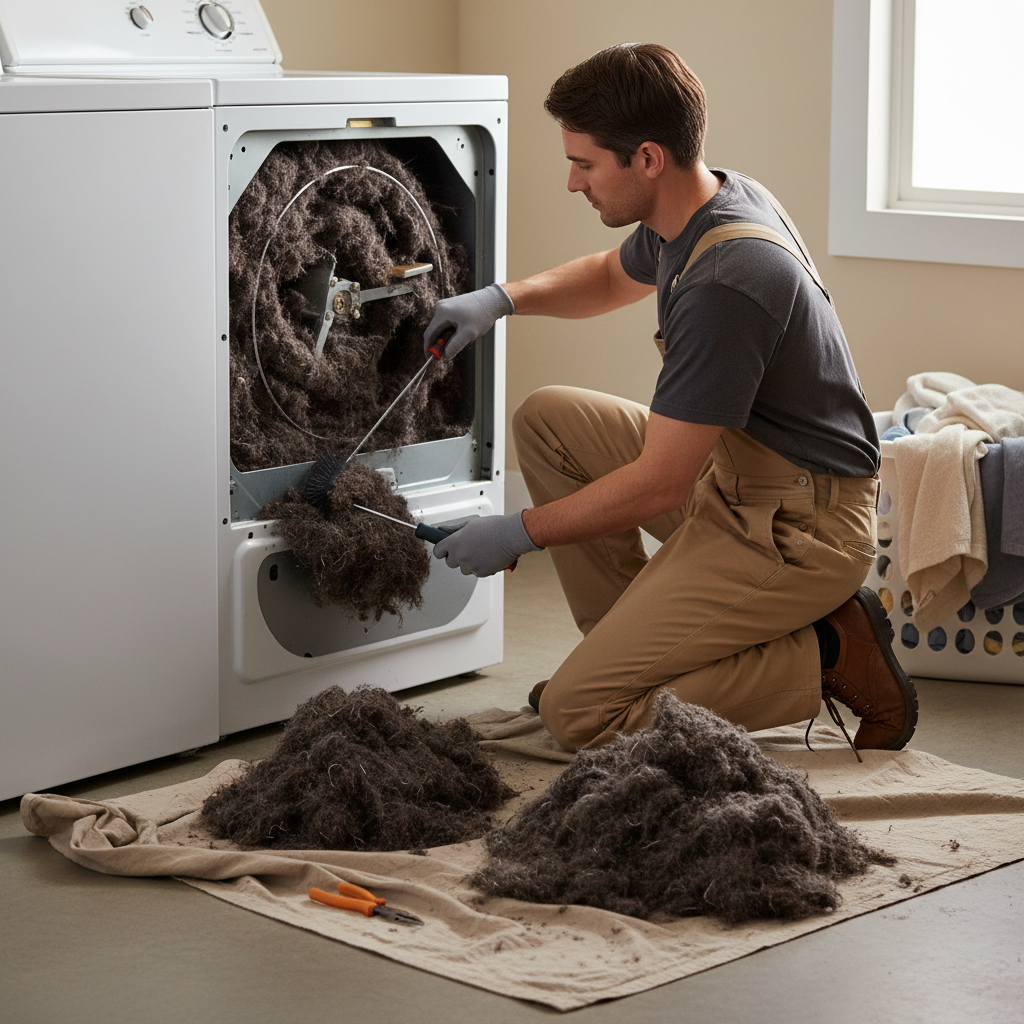
Inside your dryer, hot air circulates to evaporate the moisture from your clothes. As the clothes tumble, tiny fibers and bits of fabric detach, creating lint. While the lint trap catches a good amount, some of this lint is carried through the dryer vent system. Over time, this lint accumulates in the vent, restricting airflow. This restriction is where the real problems begin.
The Fire Hazard: A Hidden Danger
Lint is extremely flammable. When a dryer vent is partially or fully blocked by lint, the hot air can’t escape properly, causing the dryer to overheat. This trapped heat, combined with the highly combustible lint, creates a perfect recipe for a fire. In fact, the U.S. Fire Administration reports approximately 2,900 dryer-related fires each year. These fires can result in injuries, deaths, and significant property damage.
Common Dryer Mistakes That Increase the Risk
We’re all guilty of making a few of these, but awareness is the first step to change:
* **Neglecting the Lint Trap:** This is the most common mistake. Even if you think you’re diligent, make it a non-negotiable habit to clean the lint trap *every single time* you use the dryer.
* **Ignoring Longer Drying Times:** If your clothes are taking longer to dry than usual, it’s a red flag. This could indicate a blocked vent. Don’t ignore it; investigate.
* **Using Improper Venting Materials:** Using plastic or flexible foil vent hoses is a big no-no. They’re prone to crushing, restricting airflow, and are more likely to trap lint. Use rigid metal ductwork for the best results.
* **Overloading the Dryer:** Stuffing too many clothes into the dryer restricts airflow and increases lint buildup. Follow the manufacturer’s recommendations for load size.
* **Skipping Vent Cleaning:** Many people clean the lint trap, but they completely forget about the vent itself. Cleaning the vent is crucial for removing accumulated lint and maintaining proper airflow.
Simple Dryer Maintenance & Care Tips
Here’s how to keep your dryer running safely and efficiently:
* **Clean the Lint Trap Every Time:** This is non-negotiable. Make it part of your routine.
* **Clean the Lint Trap Housing:** Did you know that the area where the lint trap sits can also accumulate lint? Every few months, remove the lint trap and vacuum out the housing.
* **Inspect and Clean the Vent:** This is the most important step beyond the lint trap. How often depends on your usage, but at least once a year is recommended. You can often do this yourself (more on that below).
* **Check the Exterior Vent:** Go outside and inspect the vent opening. Make sure the flap opens fully when the dryer is running, indicating good airflow. Also, clear away any debris like leaves or nests that may be obstructing the vent.
* **Use Dryer Sheets Sparingly:** Dryer sheets can leave a waxy residue on the lint screen, reducing airflow and potentially contributing to lint buildup. Consider using dryer balls instead.
* **Inspect the Exhaust Duct:** Check the exhaust duct behind the dryer for any lint buildup. Use a vacuum to remove any lint or dust.
* **Don’t Forget the Exterior Vent Cover:** The exterior vent cover can also accumulate lint and debris. Clean it regularly to ensure proper airflow.
* **Avoid Flammable Substances:** Don’t dry items that have been in contact with flammable substances like gasoline, cooking oils, or cleaning supplies.
When to Fix it Yourself vs. Call a Professional
Some dryer maintenance tasks are easy to handle yourself:
* **Cleaning the Lint Trap and Housing:** This is a simple, everyday task.
* **Cleaning the Exterior Vent:** This can be done with a brush and vacuum.
* **Inspecting and Cleaning the Vent Hose:** You can disconnect the vent hose from the back of the dryer and clean it with a brush or vacuum.
However, some situations warrant calling a professional:
* **Annual Professional Vent Cleaning:** A professional dryer vent cleaning ensures that all lint is removed from the entire venting system. They have the specialized tools and expertise to reach deeper into the vent.
* **Dryer Isn’t Heating:** If your dryer isn’t heating, it could be a heating element issue or a faulty thermostat. This requires a professional to diagnose and repair.
* **Unusual Noises:** Squealing, grinding, or thumping sounds can indicate worn-out parts. A technician can identify and replace these parts.
* **Electrical Problems:** If you suspect an electrical problem, it’s best to call a qualified electrician.
Seasonal Relevance
* **Summer:** Summer is a good time to inspect the exterior vent for nests and debris.
* **Monsoon:** During the monsoon season, make sure the vent is clear to prevent moisture buildup.
* **Winter:** Dryer fires tend to spike in winter. Be extra diligent about cleaning the vent and lint trap, especially with increased use during colder months.
Long-Term Prevention Habits
* **Regular Cleaning Schedule:** Make a schedule for cleaning the lint trap, vent hose, and exterior vent.
* **Use Metal Venting:** If you have flexible plastic or foil venting, replace it with rigid metal ductwork.
* **Professional Inspections:** Schedule an annual professional dryer vent cleaning and inspection.
* **Be Alert:** Pay attention to any changes in your dryer’s performance, such as longer drying times or unusual smells.
By adopting these habits, you can significantly reduce the risk of a dryer fire and keep your appliance running smoothly for years to come. It’s a small investment of time and effort for a big payoff: peace of mind and a safer home. And if you are still looking for ways to improve the safety of your home, check out The Silent Thief in Your Home: How Small Electrical Habits Drain Your Wallet.
Frequently Asked Questions
**Q: How often should I clean my dryer vent?**
A: It’s recommended to clean your dryer vent at least once a year, or more frequently if you have a large family or use your dryer heavily.
**Q: What are the signs of a clogged dryer vent?**
A: Clothes taking longer to dry, the dryer getting hotter than usual, a burning smell, and lint accumulating around the dryer are all signs of a clogged vent.
**Q: Can I clean my dryer vent myself?**
A: You can clean the vent hose and exterior vent yourself. However, it’s recommended to have a professional clean the entire venting system annually.
**Q: What kind of vent hose should I use?**
A: Use a rigid metal vent hose. Avoid flexible plastic or foil hoses, as they are more prone to trapping lint.
**Q: What should I do if my dryer starts smoking or smelling like burning plastic?**
A: Immediately stop using the dryer and unplug it. Contact a qualified appliance repair technician.
**Q: How do I clean the lint trap housing?**
A: Remove the lint trap and use a vacuum with a hose attachment to remove any lint or debris from the housing.
**Q: Can dryer sheets cause a fire hazard?**
A: Dryer sheets can leave a waxy residue on the lint screen, which can reduce airflow and increase lint buildup. While not a direct cause, they can contribute to the problem.
**Q: Does homeowner’s insurance cover dryer fires?**
A: Generally, homeowner’s insurance covers fires in the home, including those caused by dryers.