
Every morning, you wake up, stumble to the kitchen, and flick on the coffee maker. The aroma fills the air, promising a much-needed jolt. Throughout the day, you use your laptop, watch TV, and maybe even run the air conditioner. These are the obvious energy users, the ones you consciously switch on. But what about the devices that are *always* plugged in, silently siphoning power even when they’re “off”? This is the realm of the phantom load, also known as standby power, and it’s a sneaky culprit in your rising electricity bills.
Why We Ignore the Phantom Menace
We’re all guilty of it. That phone charger permanently perched in the outlet, the TV that’s always ready to spring to life with the press of a button, the microwave with its digital clock perpetually glowing. It’s easy to overlook these little energy vampires. Here’s why:
* **”It’s a small amount.”** Individually, each device uses a tiny bit of power. It’s easy to dismiss it as insignificant.
* **Convenience Factor:** We like things to be ready to go. Unplugging and replugging devices feels like a hassle.
* **Out of Sight, Out of Mind:** If we don’t see it, we don’t think about it. These devices are often tucked away, making them easy to forget.
* **Lack of Awareness:** Many people simply aren’t aware of the extent of phantom load and its cumulative impact.
The Hidden Problems of Always-On Appliances
While seemingly small, the cumulative effect of phantom load is significant. It’s not just about the money; there are other problems to consider:
* **Higher Electricity Bills:** This is the most obvious one. Even a few watts per device, multiplied by 24 hours a day, 365 days a year, adds up quickly. You could be paying for energy you’re not even using.
* **Environmental Impact:** All that wasted energy contributes to your carbon footprint. Less energy consumption means a smaller environmental impact.
* **Increased Risk of Electrical Fires:** While rare, electrical devices can overheat or malfunction, even when in standby mode. Constantly drawing power, even in small amounts, increases the risk.
* **Reduced Appliance Lifespan:** Some experts believe that constantly being plugged in can subtly reduce the lifespan of some appliances.
Common Mistakes Contributing to Phantom Load
Let’s look at some specific examples and the mistakes we often make:
* **Leaving Chargers Plugged In:** Phone, tablet, and laptop chargers continue to draw power even when the device is fully charged. This is one of the biggest culprits.
* **TVs and Entertainment Systems:** Modern TVs, gaming consoles, and sound systems often consume power even when “off” to maintain features like quick start-up or remote control functionality.
* **Cable Boxes and DVRs:** These devices are notorious for consuming significant standby power.
* **Microwaves and Ovens:** Many microwaves and ovens have digital clocks and other features that draw power continuously.
* **Computers and Printers:** Even when shut down, many computers and printers continue to draw power, especially if they are set to wake up automatically or connected to a network.
Simple Habit Changes to Cut the Phantom Load
The good news is, there are easy steps you can take to banish the phantom load and save money and [Internal Link 1: Is Your Wi-Fi a Wi-Fail? Troubleshooting Your Home Network Woes] your home. Here are some simple changes:
* **Unplug, Unplug, Unplug:** The most effective solution is to unplug devices when they’re not in use. This includes chargers, TVs, and other electronics.
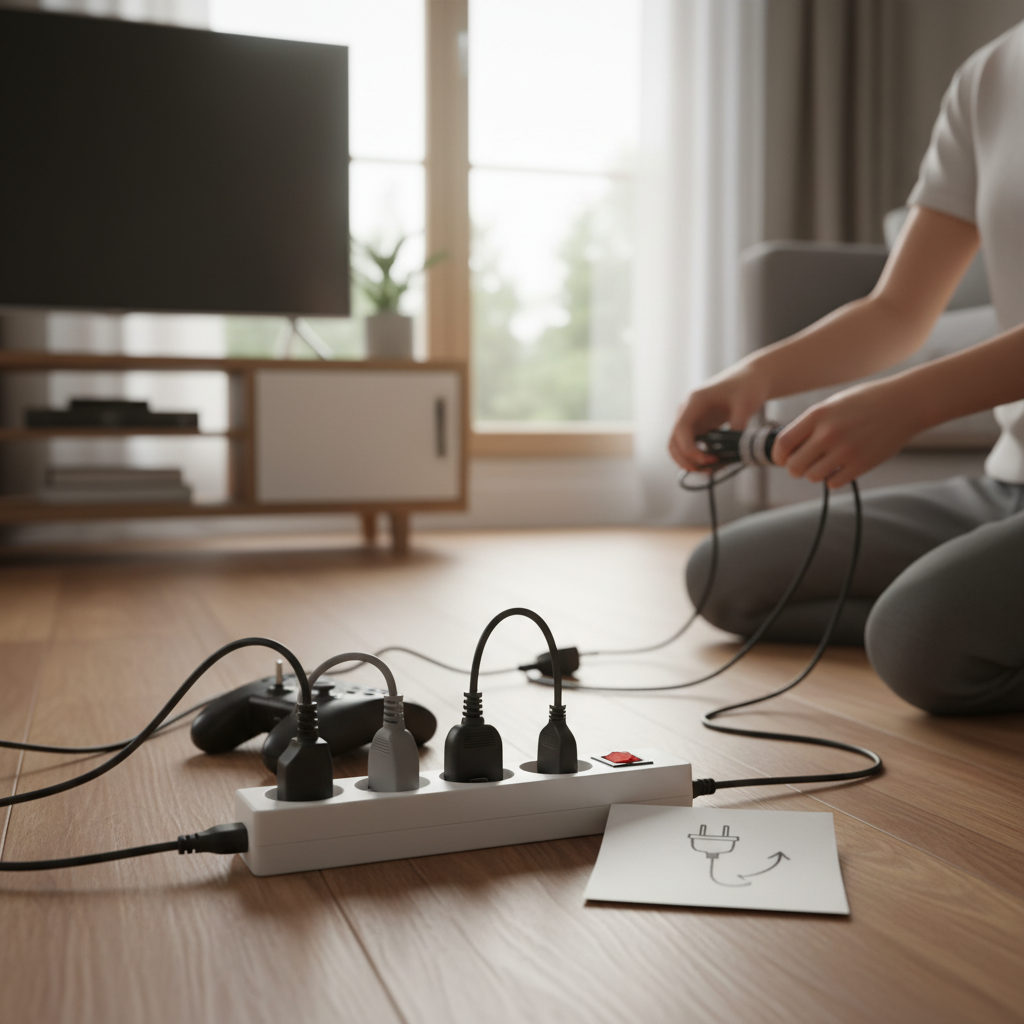
* **Use Power Strips:** Power strips with on/off switches make it easy to cut power to multiple devices at once. Simply flip the switch when you’re done using the devices.
* **Invest in Smart Power Strips:** Smart power strips can detect when a device is in standby mode and automatically cut off the power. Some even allow you to control them remotely.
* **Be Mindful of Your Routines:** Make it a habit to unplug chargers when you’re finished charging your devices. Turn off the TV at the power outlet instead of just using the remote.
* **Choose Energy-Efficient Appliances:** When buying new appliances, look for models with low standby power consumption. Energy Star certified appliances are a good choice.
* **Consider Timers:** For devices you use infrequently, like certain kitchen appliances, use a timer to control when they receive power.
Modern Lifestyle Relevance
In today’s connected world, our reliance on electronic devices is greater than ever. Smartphones, smart TVs, and smart home devices are constantly vying for our attention and our electricity. Reducing phantom load is even more important as our homes become increasingly digitized. It’s a way to take control of your energy consumption in a tech-driven world.
This is also a fantastic habit to teach to children and teenagers. It’s a simple, actionable lesson in energy conservation that they can carry into adulthood.
Long-Term Benefits: Savings, Safety, and Peace of Mind
The benefits of tackling phantom load extend far beyond saving a few dollars on your electricity bill. Here’s a rundown:
* **Significant Cost Savings:** Over time, the savings can be substantial. The exact amount depends on the number of devices and your electricity rates, but it’s often more than you think.
* **Increased Safety:** Reducing the amount of time that devices are drawing power lowers the risk of electrical fires and other hazards.
* **Reduced Environmental Impact:** By consuming less energy, you’re doing your part to reduce your carbon footprint and contribute to a more sustainable future.
* **Peace of Mind:** Knowing that you’re not wasting energy and contributing to a safer home can provide a sense of satisfaction.
* **Extending the Life of Your Appliances:** While not definitively proven, it is widely believed that regularly unplugging your appliances can extend their lifespan.
SEO Optimized FAQs
Here are some frequently asked questions about phantom load:
What is phantom load?
Phantom load refers to the electricity consumed by appliances and electronics when they are turned off or in standby mode. It’s also known as standby power or vampire power.
How much does phantom load cost?
The cost varies depending on the number of devices, their power consumption, and your electricity rates. However, it can easily add up to $100 or more per year, and sometimes even more.
What are the biggest culprits of phantom load?
Common culprits include phone chargers, TVs, cable boxes, DVRs, computers, printers, microwaves, and ovens.
How can I reduce phantom load?
The easiest way is to unplug devices when they’re not in use. You can also use power strips with on/off switches or invest in smart power strips.
Are smart power strips worth it?
Yes, smart power strips are a convenient and effective way to reduce phantom load. They can automatically cut off power to devices in standby mode.
Does it really make a difference to unplug my phone charger?
Yes, it does. Even though a phone charger uses a small amount of power, unplugging it when not in use helps reduce overall phantom load and contributes to energy savings.
Is it safe to leave appliances plugged in?
Generally, yes, it is safe. However, there is a small risk of overheating or malfunction, even when devices are in standby mode. Unplugging appliances when not in use minimizes this risk.
How can I measure the phantom load in my home?
You can purchase a “kill-a-watt” meter, which plugs into an outlet and allows you to measure the power consumption of any device plugged into it. This can help you identify the biggest energy users in your home.
Conclusion
Taking control of your energy consumption doesn’t require a complete overhaul of your lifestyle. It starts with simple habits, like unplugging those chargers and using power strips. By making these small changes, you can significantly reduce your electricity bill, protect your home from potential hazards, and contribute to a more sustainable future. This is a practical, actionable step that anyone can take, making it an excellent addition to a routine of smart habits. So, start today and take back control of your energy usage [Internal Link 2: ].