
Okay, let’s be real. How many of us actually think about electricity when we’re going about our day? We flip switches, plug in chargers, and generally take it for granted. It’s just… there. But what if I told you that electricity is quietly eating into your savings, even when you’re not using anything?
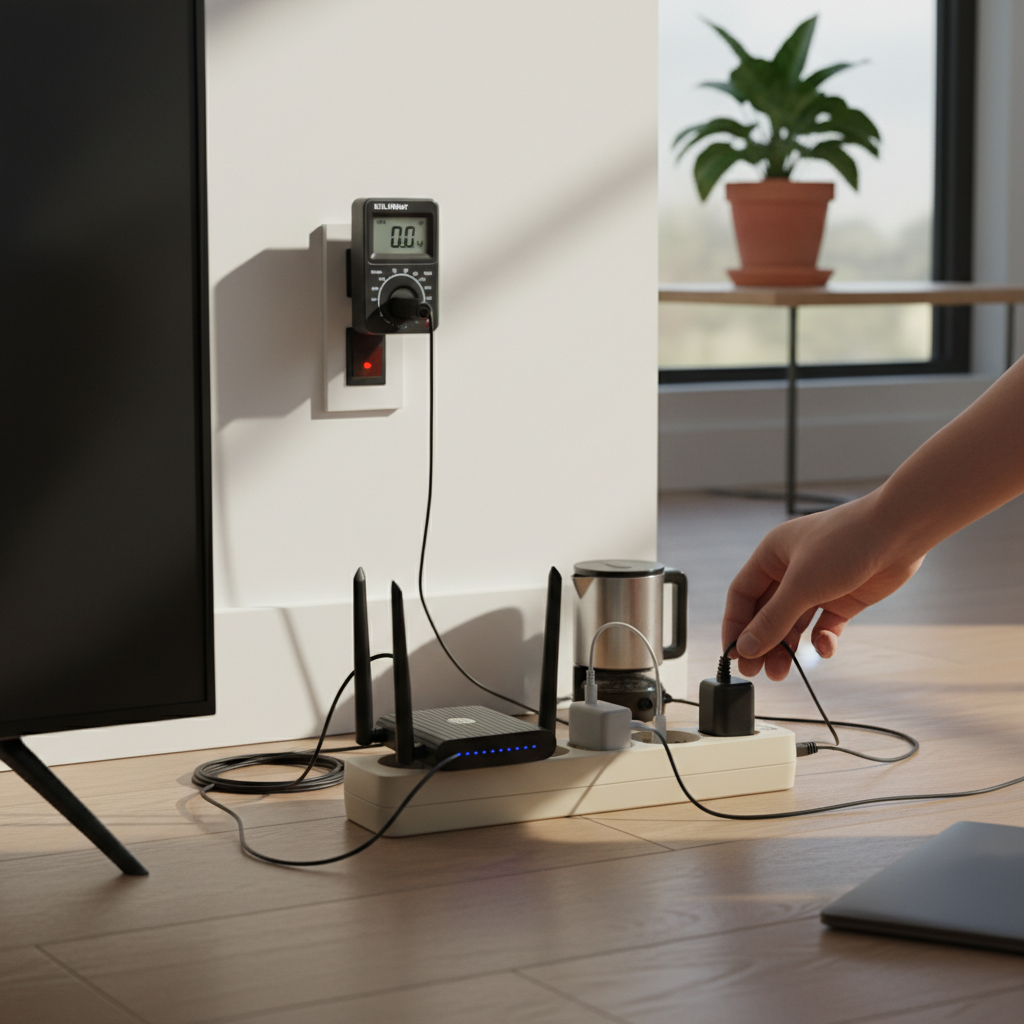
I learned this lesson the hard way. Years ago, I was baffled by my high electricity bills. I wasn’t running multiple AC units or leaving lights on everywhere. Still, the numbers didn’t add up. Then, after some digging (and a little bit of embarrassment), I discovered the sneaky world of “phantom load,” also known as “vampire power.” This is the electricity your devices suck up when they’re turned off but still plugged in.
This article is a deep dive into this often-overlooked area, offering a realistic view of the problem, the common mistakes we all make, and, most importantly, simple changes you can implement right now to make a real difference in your energy bill and your peace of mind.
The Usual Routine: Where Phantom Load Lives
Think about your typical day. You wake up, maybe scroll through your phone (charging overnight, of course). You brew coffee (coffee maker plugged in, ready to go). You head to work, leaving behind a TV, a computer, a microwave, and a host of other gadgets on standby. Evenings are similar – devices plugged in, waiting. This is the breeding ground for phantom load.
This isn’t about blaming anyone. We live in a world of convenience. Our devices are designed to be ready. But that convenience comes at a cost, a hidden one that gradually chips away at your hard-earned money.
Why We Ignore the Invisible Thief
Let’s be honest, it’s easy to ignore. Here’s why:
- “It’s Just a Little Bit”: We tend to think, “It’s just a charger, how much can it really use?” The answer is more than you think, especially when you consider all the devices.
- Out of Sight, Out of Mind: The energy use happens in the background. We don’t see it, we don’t feel it, so it’s easy to forget about it.
- Busy Lives: We’re all stretched thin. Checking and unplugging devices feels like one more thing on an already long to-do list.
- Lack of Awareness: Many people simply don’t know about phantom load. It’s not something we’re taught in school or often discussed in everyday conversations.
I get it. I used to be in the same boat. It’s only when you see the cumulative effect on your bills that the issue becomes undeniable.
The Hidden Problems: Beyond the Bill
The financial impact is the most obvious problem, of course. But there are other hidden costs, too:
- Higher Electricity Bills: This is the big one. Phantom load adds up. Over a month, the cost is noticeable. Over a year, it’s significant.
- Environmental Impact: All that wasted electricity contributes to the demand for power, which often means more reliance on fossil fuels. This increases greenhouse gas emissions and environmental problems.
- Device Wear and Tear: Constantly plugged-in devices can generate heat, which can, over time, shorten their lifespan.
- Fire Hazard: While rare, there is a risk, however small, of a device overheating or causing a fire when left plugged in.
These aren’t scare tactics. It’s about understanding the full picture so you can make informed decisions.
Common Mistakes We All Make
We’re all guilty of these at some point:
- Leaving Chargers Plugged In: Phone chargers, laptop chargers, tablet chargers – they’re major culprits. They continue to draw power even after your devices are fully charged.
- Leaving Electronics on Standby: TVs, gaming consoles, computers, and even some kitchen appliances often have a standby mode. They’re waiting for a remote signal, consuming energy in the process.
- Ignoring Power Strips: Many people use power strips, which is good. But if you leave the power strip turned on, it still draws some power.
- Not Checking Appliances: Some older appliances, like refrigerators and older TVs, can be particularly power-hungry, even when idle.
- Lack of Awareness about energy usage: Simply not being aware of how much energy your appliances and devices use is a big one.
The good news? These are all fixable mistakes.
Simple Habit Changes: Taking Back Control
Here’s what I learned and what worked for me. These changes are easy to implement and can make a big difference.
- Unplug Chargers: This is the easiest step. Unplug chargers when you’re not using them. Make it a habit – unplug your phone charger when you take it off the charger and before you leave your home.
- Use Smart Power Strips: These power strips have a master switch that cuts off power to all connected devices when the master device is turned off. Some even sense when a device is in standby mode and cut the power automatically.
- Unplug Devices When Not in Use: For devices you don’t use regularly, unplug them. This is especially true for things like blenders, coffee makers, and printers.
- Turn Off and Unplug TVs: Don’t just use the remote. Turn off the TV completely and unplug it, especially if you won’t be using it for an extended period.
- Monitor Your Bills: Keep an eye on your energy bills. Track your usage over time. If you see a sudden spike, it’s time to investigate.
- Consider Energy-Efficient Appliances: When it’s time to replace an appliance, choose an Energy Star-rated model. These are designed to be more energy-efficient, even in standby mode.
- Regular Device Maintenance: Keep your devices in good working order. Over time, devices can develop faults that lead to increased electricity usage.
- Awareness is Key: Educate yourself. Learn about the devices in your home and how much electricity they use.
Modern Lifestyle Relevance: Balancing Convenience and Savings
We live in a world that demands convenience. But that doesn’t mean we have to sacrifice our financial and environmental well-being. These small changes fit seamlessly into modern life:
- Smart Home Integration: Many smart home systems allow you to control power outlets remotely or schedule them to turn off at certain times.
- Focus on Key Devices: Identify the devices that consume the most energy in standby mode. Focus your efforts on those first.
- Make It a Family Affair: Talk to your family about phantom load and why it matters. Make it a team effort.
- Little Steps, Big Impact: Don’t try to change everything at once. Start with one or two habits and build from there.
Long-Term Benefits: Savings, Safety, and Peace of Mind
The benefits go beyond just saving money:
- Reduced Electricity Bills: This is the most obvious and immediate benefit. Over time, the savings can be substantial.
- Increased Device Lifespan: By reducing heat generation, you may extend the life of your devices, saving you money on replacements.
- Reduced Environmental Impact: Every kilowatt-hour saved is a win for the environment.
- Improved Home Safety: Reducing the potential for electrical fires adds peace of mind.
- A Sense of Control: Taking control of your energy consumption gives you a greater sense of financial stability and environmental responsibility.
Frequently Asked Questions (FAQ)
Here are some common questions and realistic answers, based on my own experiences and research:
- How much money can I actually save?
The savings vary depending on your household, the number of devices you have, and your electricity rates. However, even a small reduction in phantom load can save you tens or even hundreds of dollars per year. The best way to know is to start taking the steps. - Are smart power strips worth it?
Yes, absolutely. They’re a convenient and effective way to reduce phantom load. Look for models with features like auto-shutoff and surge protection. - Do I need to unplug everything?
No, that’s not practical. Focus on the devices that consume the most energy in standby mode and those you don’t use regularly. - How can I tell which devices are the biggest energy hogs?
There are devices that can measure the energy consumption of your devices. You can also often find the energy usage information on the device itself or in the manual. - Is it safe to unplug appliances like refrigerators?
No, you shouldn’t unplug appliances that need to run continuously, like refrigerators or freezers. These appliances are designed to be plugged in all the time. But, older refrigerators may use more electricity, which is worth considering when you are buying a new one. - What about the power button on my computer?
Even when your computer is shut down via the power button, it’s still drawing a small amount of power. The best approach is to shut down your computer and turn off the power strip if you’re not using it. - Does it really make a difference?
Yes, it does. While the impact of each individual device might seem small, they add up. Reducing phantom load is a simple step you can take to save money and protect the environment. - What if I forget?
Don’t beat yourself up! Everyone forgets sometimes. The key is to make these habits a part of your routine. Every unplugged device is a step in the right direction.
Taking control of your electricity consumption is about more than just saving money. It’s about being mindful of our impact, making small changes that add up, and creating a home that is both comfortable and efficient. It’s a journey, not a destination. And it starts with a single unplug.