
We all have that one appliance we take for granted. For many of us, it’s the washing machine. It’s a workhorse, a laundry-slinging champion that often gets little appreciation until it… stops. I remember one Saturday morning, I went to move the laundry from the washer to the dryer, and *nothing*. The machine was dead. No lights, no sounds, just a load of sopping wet clothes. After a bit of troubleshooting, it turned out to be a simple issue. But it taught me a valuable lesson: a little care goes a long way. This isn’t just about fixing problems; it’s about understanding how to keep your washing machine running smoothly for years to come.
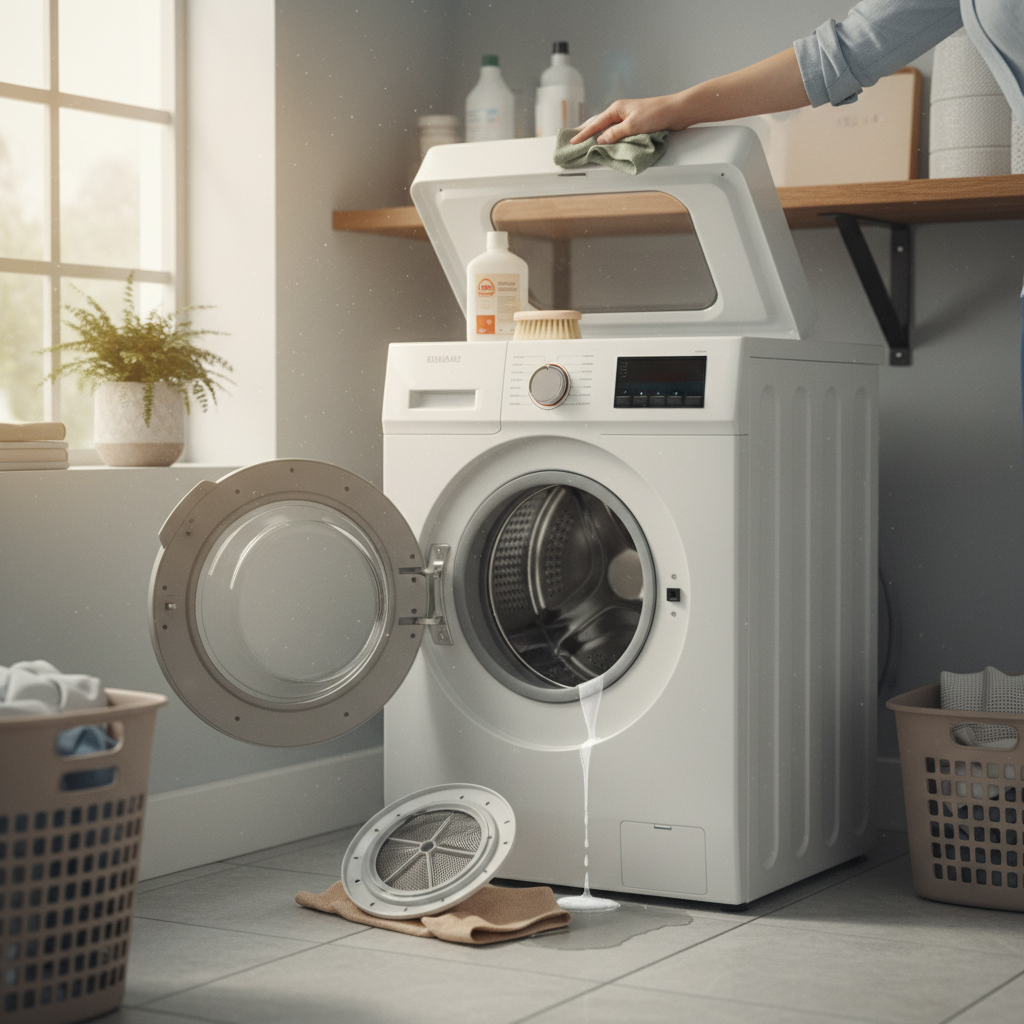
## Why Washing Machines Fail: The Usual Suspects
Washing machines, like any complex machine, have their weak points. Understanding these common culprits can help you prevent problems before they start.
* **Overloading:** This is probably the most common mistake. Stuffing the drum to the brim puts a strain on the motor, belts, and bearings. It also prevents clothes from moving freely, reducing cleaning effectiveness.
* **Too much detergent:** More soap doesn’t equal cleaner clothes. Excess detergent creates too many suds, which can leave residue and build-up, and can also lead to leaks and damage. Always use the recommended amount and consider switching to a high-efficiency (HE) detergent if you have an HE machine.
* **Neglecting cleaning:** Washing machines, ironically, need to be cleaned. Detergent residue, mineral build-up from hard water, and even mold can accumulate, leading to odors, reduced performance, and potential damage to components.
* **Ignoring small problems:** A small leak, a strange noise, or a slightly off-kilter spin cycle may seem minor, but they can be warning signs of bigger issues. Catching these early can save you money and headaches down the road.
* **Not leveling the machine:** An unbalanced machine can cause excessive vibration and damage internal components.
## Common Mistakes People Make (And How to Avoid Them)
We all make laundry mistakes. Here’s a look at some of the most common ones, along with practical solutions:
* **Using the wrong detergent:** Using the wrong type of detergent, especially in HE machines, can lead to excessive suds and damage. Always use the type recommended by your machine’s manufacturer.
* **Ignoring the door seal:** Front-load washing machines have a rubber door seal (gasket) that’s prone to mildew and mold. Regularly wipe it down to prevent this.
* **Forgetting to clean the lint filter:** Yes, even washing machines have lint filters! These need to be cleaned regularly to maintain performance.
* **Not checking pockets:** Coins, keys, and other small items can wreak havoc on your machine. Always check pockets before you toss clothes in the wash.
* **Overlooking hose inspections:** The hoses that supply water to your machine can crack and leak over time. Inspect them regularly for signs of wear and tear.
## Simple Maintenance & Care Tips: Your Laundry Superhero Checklist
Taking good care of your washing machine doesn’t require a lot of time or effort. Here’s a simple checklist to keep things running smoothly:
* **Clean the machine monthly:** Run an empty cycle with a washing machine cleaner or a mixture of white vinegar and baking soda. This will help remove detergent buildup, odors, and mineral deposits.
* **Clean the detergent dispenser:** Remove and clean the dispenser drawer regularly to prevent blockages.
* **Wipe down the door seal:** If you have a front-load machine, wipe down the door seal after each load to prevent mold and mildew.
* **Check and clean the lint filter:** Clean the lint filter regularly, as directed in your machine’s manual.
* **Inspect hoses:** Check the water inlet hoses and drain hose for cracks, leaks, or bulges every few months. Replace them if you see any damage.
* **Keep the machine level:** Make sure your washing machine is level and balanced to prevent excessive vibration.
* **Use the correct amount of detergent:** Follow the manufacturer’s instructions for the correct amount of detergent.
* **Leave the door open:** After a wash cycle, leave the washing machine door open for a while to allow the interior to dry and prevent mold and mildew growth.
## When to DIY vs. When to Call a Professional
Knowing when to tackle a problem yourself and when to call a professional can save you a lot of time and money.
**DIY:**
* **Cleaning the machine:** Regular cleaning cycles with vinegar and baking soda are easy to do yourself.
* **Cleaning the detergent dispenser:** This is a simple, quick task.
* **Checking and cleaning the lint filter:** Most lint filters are easy to access and clean.
* **Wiping down the door seal:** A simple wipe-down with a cloth.
* **Checking and tightening hoses:** If you spot a loose connection, try tightening it yourself.
**Call a Professional:**
* **Major leaks:** If you see water leaking from the machine, it’s best to call a professional to diagnose the problem.
* **Unusual noises:** Grinding, clanking, or other unusual noises could indicate a serious mechanical problem.
* **The machine won’t start:** Electrical problems are best left to a professional.
* **The machine isn’t draining:** This could be a clogged pump or a more complex issue.
* **The drum won’t spin:** This could be a problem with the motor, belt, or other internal components.
* **Complex repairs:** If a repair looks complicated, or if you’re not comfortable with the work, it’s always best to call a professional. Motor repair, for example, can be expensive.
Washing machine repair costs can range from $150 to $500, with an average of around $220. Motor repair can be particularly costly, ranging from $250 to $700. Sometimes, if the repair cost exceeds 50% of the cost of a new machine, it makes sense to replace it.
## Seasonal Relevance: Keeping Your Washer Happy Year-Round
* **Summer:** During the summer months, you might be washing more frequently due to outdoor activities and warmer weather. Make sure you are not overloading your machine and clean it more often if needed.
* **Monsoon:** Humidity can exacerbate mold and mildew growth. Make sure to wipe down the door seal and leave the door open after each wash.
* **Winter:** Cold weather can sometimes affect the hoses. Check them regularly for leaks or cracks.
## Long-Term Prevention Habits: Building a Laundry Legacy
Beyond the basic maintenance, here are a few long-term habits that will help extend the life of your washing machine:
* **Use good quality detergent:** The right detergent will minimize build-up.
* **Avoid overloading:** This is crucial for preventing wear and tear on the motor and other components.
* **Address problems promptly:** Don’t ignore small issues. The sooner you address a problem, the less likely it is to become a major one.
* **Consider a water softener:** If you have hard water, a water softener can help prevent mineral build-up in your machine.
* **Read the manual:** Your washing machine’s manual contains valuable information about maintenance, troubleshooting, and recommended detergents.
If you’re looking to save money, check out the options presented in “The Silent Shower Thief: How Your Morning Routine is Draining Your Wallet and What You Can Do” for potential utility savings.
By following these tips, you can keep your washing machine running smoothly for years to come.
## Frequently Asked Questions
* **How often should I clean my washing machine?**
It’s generally recommended to clean your washing machine once a month, or more often if you wash frequently or notice odors.
* **What can I use to clean my washing machine?**
White vinegar and baking soda are effective and safe for most machines. Washing machine cleaner tablets are another option.
* **How do I clean the detergent dispenser?**
Remove the dispenser drawer and rinse it under warm water. You can also use a mild detergent to clean it.
* **What are the signs of a failing washing machine?**
Unusual noises, leaks, clothes not getting clean, or the machine not starting are all signs of a potential problem.
* **Can I overload my washing machine?**
Yes, overloading can damage your machine.
* **How often should I inspect my washing machine hoses?**
Inspect your hoses every few months for cracks, leaks, or bulges.
* **What type of detergent should I use?**
Use the type of detergent recommended by your machine’s manufacturer. Look for HE detergent for HE machines.
* **When should I consider replacing my washing machine instead of repairing it?**
If the repair cost is more than 50% of the cost of a new machine, or if the machine is very old, it might be time for a replacement.