
I get it. We’re all glued to our phones. That little rectangle is our connection to the world, our entertainment, our work, and, let’s be honest, our escape. And because we’re so attached, keeping that battery topped up feels like a constant battle. But those charging habits we’ve all adopted – the ones we barely think about – are often the source of some surprising problems.
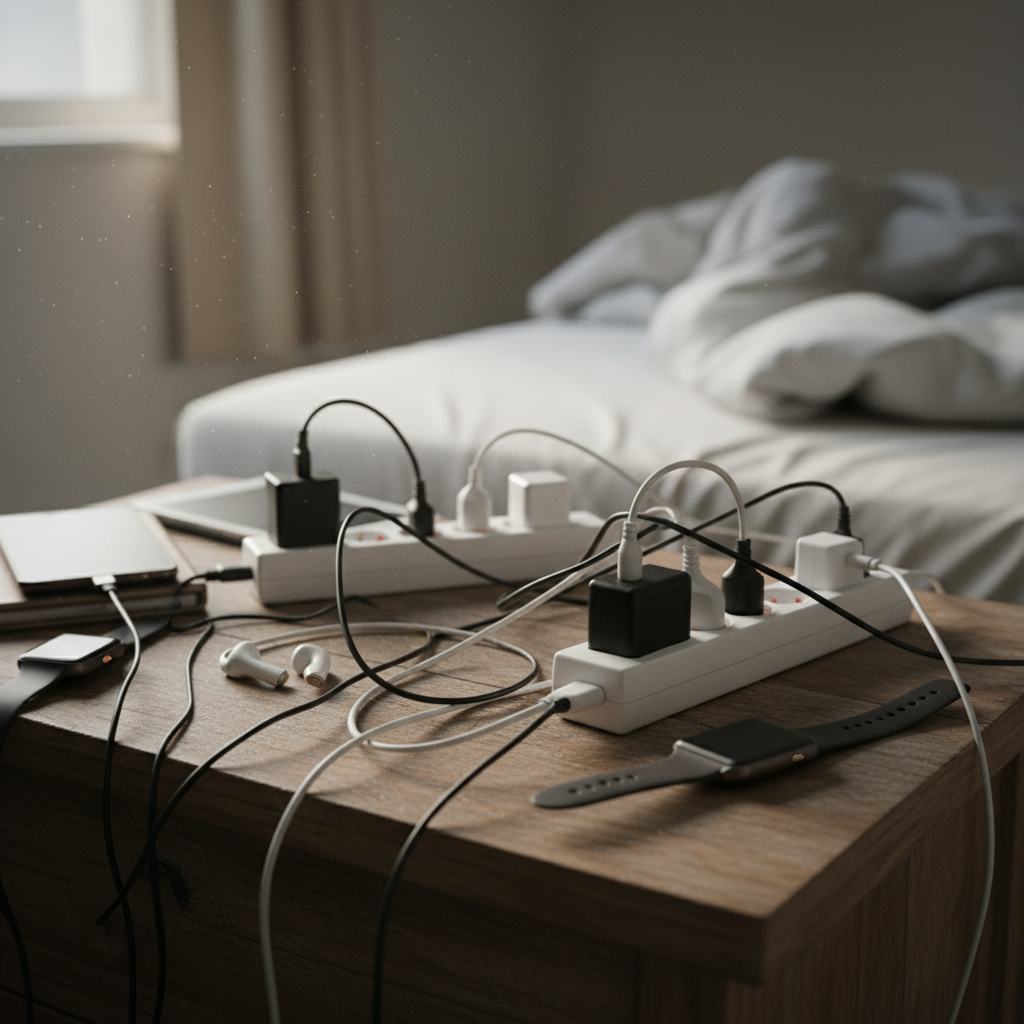
Let’s rewind to a typical weekday. You wake up, grab your phone, and it’s almost dead. You plug it in while you get ready, and then you unplug it to go to work. Throughout the day, it gets plugged in at your desk, in your car, maybe even at a coffee shop. By the time you get home, you’re back to square one, plugging it in again for the night.
The Convenience Trap: Why We Ignore Our Charging Habits
This routine is so ingrained, so convenient, that we rarely stop to question it. Our phones have become extensions of ourselves, and we prioritize keeping them alive above all else. Here’s why we tend to ignore the long-term consequences of our charging habits:
- Convenience: The primary driver. We charge whenever and wherever we can to avoid the dreaded low-battery anxiety.
- Lack of Awareness: We’re simply not aware of the potential drawbacks. It’s not something we’re taught or often discussed.
- “It’s Just a Phone” Mentality: We think, “It’s just a phone. What’s the big deal?” We underestimate the cumulative impact of these habits.
- Technological Advances: Modern phones and chargers are designed to be more efficient, leading us to believe we don’t need to worry.
The Hidden Costs: What You’re Really Paying For
While a single instance of overcharging might seem insignificant, the cumulative effects can be surprising. Here’s a breakdown of the hidden costs:
1. Electricity Bills
This is the most obvious, yet often overlooked, expense. Leaving your phone plugged in all night, or constantly topping it up throughout the day, consumes electricity. While a single phone charger uses a relatively small amount of power, multiple devices, charging constantly, add up over time. It may seem like pennies, but those pennies turn into dollars over months and years.
2. Battery Degradation
Lithium-ion batteries, which power most of our devices, have a limited lifespan. Constant charging and discharging cycles, especially in ways that generate heat, wear them down faster. Overcharging, even with modern safety features, can contribute to this degradation. This means your phone’s battery will hold less charge over time, and you’ll be forced to replace it sooner than you’d like. The same applies to laptops, tablets, and other rechargeable gadgets.
3. Financial Losses in the Long Run
The habit of constantly charging your devices also has financial repercussions. If your device’s battery degrades quicker due to poor charging habits, it may require earlier and more frequent replacements, costing you money. The more your devices need to be replaced, the more you spend.
4. Safety Concerns
While rare, there’s always a slight risk of overheating or even fire when charging devices, particularly if you’re using a low-quality charger or if the device is damaged. Leaving a phone charging overnight, especially on a bed or other flammable surface, increases this risk. It is best practice to keep chargers away from water and direct sunlight, and to avoid charging devices in extremely hot conditions.
5. Environmental Impact
The constant demand for electricity to charge our devices contributes to overall energy consumption. This, in turn, can increase the demand for power plants, which can have environmental consequences. The production of new devices also requires resources and creates electronic waste when they’re eventually discarded.
Common Charging Mistakes We All Make
Let’s be honest, we’ve all been guilty of these:
- Leaving Chargers Plugged In: Even if nothing is connected, chargers still draw a small amount of power.
- Charging Overnight: This is the classic. You plug it in before bed and unplug it in the morning.
- Using Cheap Chargers: These can be less efficient and may lack important safety features.
- Charging in Extreme Temperatures: Heat is bad for batteries. Avoid charging in direct sunlight or very cold environments.
- Not Unplugging when Fully Charged: Even with modern cut-off technology, it’s best to unplug when full to reduce unnecessary electrical consumption.
Smart Changes: Simple Habits for a Better Outcome
The good news is, making small adjustments to your charging routine can make a big difference. Here’s what you can do:
- Unplug Chargers: When you’re not actively charging a device, unplug the charger from the wall.
- Charge Strategically: Charge your devices when you need to, and unplug them when they’re full. Consider charging them during off-peak hours to save money if your electricity plan offers it.
- Use Quality Chargers: Invest in reputable chargers that meet safety standards.
- Monitor Battery Health: Check your device’s battery health periodically to see if it’s degrading faster than normal.
- Consider Wireless Charging: Some wireless chargers are more efficient than others. Do some research to find energy-efficient options.
- Use Smart Plugs: These allow you to set timers for your chargers, so they automatically turn off after a set time.
- Consolidate Charging: Use multi-port chargers to charge multiple devices at once, which can be more efficient than using multiple chargers.
These small changes may seem inconsequential, but they contribute to a greener lifestyle and better financial management.
Modern Lifestyle Relevance
Our busy lives demand constant connectivity, but that doesn’t mean we have to sacrifice efficiency and responsibility. By being mindful of our charging habits, we can strike a balance between staying connected and minimizing our environmental impact and cost.
As remote work becomes more common, and we spend more time at home, our charging habits become even more critical. Now, more than ever, we need to be aware of how much power we use, and what we can do to reduce unnecessary consumption.
Moreover, embracing smart home technology can help. Smart plugs, energy monitors, and other devices give you greater control over your energy consumption, allowing you to optimize your charging habits without sacrificing convenience.
Long-Term Benefits: Savings, Safety, and Peace of Mind
The long-term benefits of mindful charging extend beyond just saving a few dollars on your electricity bill. They encompass several important areas:
- Financial Savings: Over time, the accumulated savings on your electricity bill can be substantial, especially if you have multiple devices and family members.
- Extended Device Lifespan: By preventing battery degradation, you can extend the life of your devices, saving you money on replacements.
- Increased Safety: Reducing the risk of overheating and fire provides peace of mind.
- Environmental Responsibility: By reducing your electricity consumption, you contribute to a smaller carbon footprint and a more sustainable lifestyle.
- Improved Habits: Being mindful of your energy consumption fosters a more responsible mindset that can extend to other areas of your life, like water usage or waste reduction.
Frequently Asked Questions
1. Does leaving my phone plugged in overnight damage the battery?
While modern smartphones have built-in safeguards to prevent overcharging, consistently charging overnight can still contribute to battery degradation over time, since it’s constantly at 100%. It is generally best practice to unplug your phone once it is fully charged.
2. Is it safe to use a cheap, generic charger?
Using cheap chargers is generally not recommended. They may lack the safety features found in reputable chargers, potentially leading to overheating, damage to your device, or even fire. Always choose chargers from trusted brands that meet safety standards.
3. How can I tell if my phone’s battery is degrading?
Most smartphones have a battery health indicator in their settings. Check the battery health periodically. You may notice your phone doesn’t last as long on a full charge, or the battery percentage drops rapidly. These are indicators that your battery may be degrading.
4. Does fast charging damage my battery?
Fast charging generates more heat than standard charging, which can potentially accelerate battery degradation over time. However, modern fast-charging technology is designed to minimize the impact. While it is safe to use, consider using standard charging sometimes to limit the heat generated.
5. Can I use a charger with a higher wattage than what my device requires?
Yes, but the device will only draw the power it needs. It’s safe to use a charger with a higher wattage than your device’s requirements. The device will regulate the power intake. Make sure to check the output voltage of the charger to make sure it is compatible with the device, and avoid using chargers from untrustworthy brands.
6. How do I dispose of old chargers?
Do not throw old chargers in the regular trash. They contain electronic components that can be recycled. Check with your local recycling center for e-waste disposal programs.
7. What is phantom load, and how does it relate to charging?
Phantom load is the electricity consumed by devices that are plugged in, but not actively in use. Chargers, even when not connected to a device, still draw a small amount of power. To reduce phantom load, unplug chargers when they are not in use.
8. How much money can I really save by changing my charging habits?
The amount you can save depends on your usage, the number of devices you charge, and your electricity rates. However, even small changes can lead to noticeable savings over time. If you own multiple devices, or live in a house with several people, those savings will be even more significant. Also, it can help make your home safer, saving you money in the long run.