
Let’s face it: our washing machines are unsung heroes. They tackle the dirty work, week in, week out, often without a second thought from us. But just like any hardworking appliance, your washing machine needs a little TLC to keep it running smoothly and avoid those mid-cycle breakdowns that always seem to happen at the worst possible time. I remember a particularly frustrating Saturday when my machine decided to take a permanent vacation mid-rinse cycle, leaving me with a mountain of soggy laundry and a serious headache. It was then I learned some valuable lessons about washing machine care – lessons I’m happy to share to save you the hassle.
Why Washing Machines Go Wrong
Before diving into the “how,” let’s understand the “why.” Washing machines, while relatively simple in their function, are complex machines with several components working in tandem. Over time, these parts can wear down, get clogged, or simply give out due to overuse or improper care.
Here’s a quick rundown of common culprits:
* **Buildup:** Detergent residue, fabric softener, and hard water minerals can accumulate inside the machine, leading to clogs and reduced efficiency.
* **Mechanical Wear and Tear:** Belts, pumps, and motors are subject to wear and tear. Overloading the machine, for instance, puts extra stress on these components, shortening their lifespan.
* **Leaks:** Hoses, seals, and the drum itself can develop leaks over time due to age or damage.
* **Electrical Issues:** Modern washing machines rely on electronic components, which can fail due to power surges, age, or moisture.
Common Mistakes We Make
We’re all guilty of these at some point. Avoiding these common errors can significantly extend the life of your machine:
* **Overloading:** Cramming too many clothes into the machine strains the motor, and prevents clothes from being properly cleaned.
* **Using Too Much Detergent:** This seems counterintuitive, but excess detergent can lead to buildup, which reduces the friction needed for cleaning and can put extra wear and tear on the machine.
* **Ignoring the Machine:** We tend to “set it and forget it,” but regularly cleaning your machine and checking for potential issues can save you from costly repairs down the line.
* **Not Addressing Problems Quickly:** A small leak or strange noise might seem minor, but it can quickly escalate into a major issue.
* **Neglecting the Drain Filter:** This filter catches lint, small objects, and debris. Ignoring it leads to drainage problems.
Simple Maintenance and Care Tips
Here’s the practical stuff. Following these tips can make a huge difference in your washing machine’s health:
* **Use the Right Amount of Detergent**: Always measure and use the correct amount of detergent, following the manufacturer’s instructions. High-efficiency (HE) machines require special, low-sudsing detergents.
* **Clean the Machine Regularly**: Run a “clean washer” cycle (if your machine has one) monthly, or run an empty hot water cycle with a cup of white vinegar or a washing machine cleaner.
* **Clean the Detergent Dispenser**: Soap scum loves to build up in the detergent drawer. Pull it out and rinse it weekly.
* **Clean the Drain Filter**: This is the machine’s dirt trap, and you should clean it monthly. Refer to your owner’s manual for how to access and clean it.
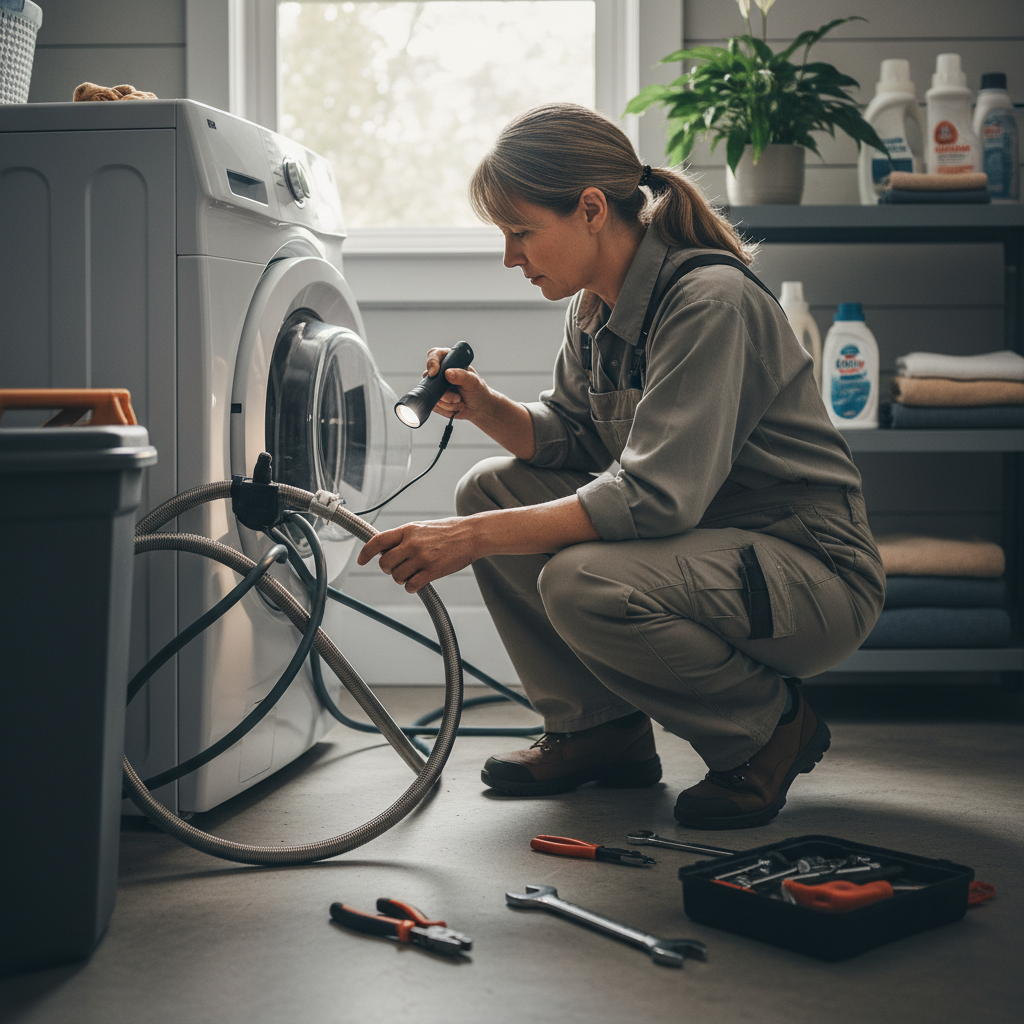
* **Check the Hoses**: Inspect the water inlet hoses and drain hose for cracks, leaks, or bulges. Replace them every 3-5 years, even if they look okay.
* **Wipe Down the Door Seal**: For front-load washers, wipe the rubber door seal after each wash to prevent mildew growth.
* **Leave the Door Open**: After each wash, leave the washing machine door slightly ajar to allow the interior to dry and prevent odors and mold.
* **Level the Machine**: Ensure your washing machine is level to minimize vibrations during the spin cycle.
When to Fix it Yourself vs. Call a Professional
Some issues you can tackle on your own, while others require expert help. Here’s a quick guide:
**DIY (Do It Yourself):**
* Cleaning the detergent dispenser and drain filter.
* Wiping down the door seal.
* Checking for and clearing clogs in the drain hose.
* Leveling the machine.
**Call a Professional:**
* If the machine won’t drain.
* If the machine is leaking water.
* If the machine makes unusual noises like grinding, banging, or squealing.
* If the drum won’t spin.
* If the machine won’t start.
* Any electrical issues.
When in doubt, it’s always best to err on the side of caution and call a qualified appliance repair technician. Attempting to fix complex issues yourself can void your warranty or cause further damage.
Seasonal Relevance
While washing machine care isn’t strictly seasonal, a few considerations can be useful:
* **Summer**: During the hotter months, mold and mildew can grow more quickly. Pay extra attention to cleaning the door seal and leaving the door ajar.
* **Monsoon**: High humidity can also encourage mold growth. Ensure proper ventilation in your laundry area.
* **Winter**: Colder temperatures don’t typically affect washing machines directly, but be mindful of frozen pipes that could affect water supply.
Long-Term Prevention Habits
These habits will keep your washing machine in top shape for years to come:
* **Read the Manual**: Familiarize yourself with your machine’s specific instructions and maintenance recommendations.
* **Use Quality Detergent**: Choose a detergent that’s appropriate for your machine type (HE or standard) and always use the recommended amount.
* **Don’t Overload**: Stick to the manufacturer’s load recommendations to avoid stressing the motor and other components.
* **Address Issues Promptly**: Don’t ignore strange noises, leaks, or reduced cleaning performance. Early intervention can prevent minor problems from becoming major ones.
Your washing machine is a workhorse, and with the right care, it can provide years of reliable service. By following these simple tips, you can keep your laundry routine running smoothly and avoid those inconvenient breakdowns. If you’re looking for other ways to keep your home running smoothly, check out this guide on unmasking leaky faucets and water waste.
Frequently Asked Questions
**Q: How long should a washing machine last?**
A: Most washing machines are designed to last 7-12 years. However, with proper maintenance and care, you can often extend their lifespan.
**Q: What are the signs that my washing machine needs repair?**
A: Common signs include unusual noises (grinding, banging, squealing), water leaks, the drum not spinning or agitating, and clothes not coming out clean.
**Q: How often should I clean my washing machine?**
A: Clean the detergent dispenser and drain filter monthly, and wipe down the door seal after each load. Run a “clean washer” cycle or an empty hot water cycle with vinegar or a washing machine cleaner monthly.
**Q: What happens if I use too much detergent?**
A: Using too much detergent can lead to a buildup of residue inside the machine, which can reduce cleaning performance and potentially damage the machine over time.
**Q: How do I prevent mold and mildew in my washing machine?**
A: Always wipe down the door seal, leave the door ajar after each wash, and run the “clean washer” cycle regularly.
**Q: Can I fix a washing machine myself?**
A: Some basic maintenance tasks, such as cleaning the dispenser and filter, can be done yourself. However, for more complex issues like leaks or unusual noises, it’s best to call a qualified appliance repair technician.
**Q: What type of washing machine lasts the longest?**
A: Top-load washers are generally considered to be more durable due to their simpler mechanics, however, both top-load and front-load washers can last around 10 years with proper care. Premium brands like Speed Queen and Miele often have longer lifespans.
**Q: When should I replace my washing machine?**
A: Consider replacing your washing machine if it’s over 8 years old, requires frequent repairs, or if the cost of repairs exceeds 50% of the cost of a new machine.