
We all have routines, right? Wake up, make coffee, check the news, and head off to work. Maybe you come home, unwind with some TV, cook dinner, and then it’s bedtime. But how often do you think about the little things – the habits that seem insignificant but could be costing you a surprising amount of money?
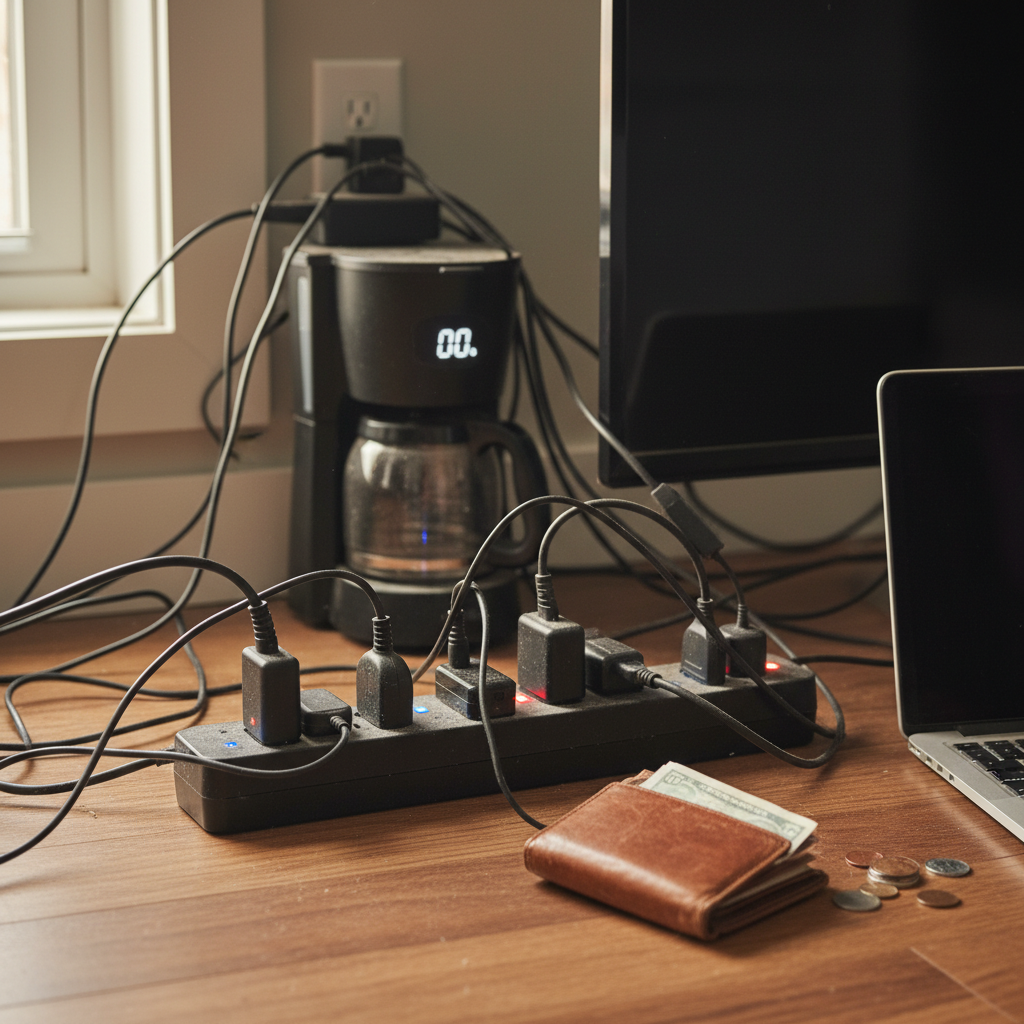
One such habit? Leaving your electronics plugged in, even when they’re off. We’re talking about TVs, computers, phone chargers, gaming consoles, and everything in between. It’s a classic example of a seemingly harmless action with some hidden costs. Let’s delve into why this happens, what it’s costing you, and how you can easily fix it.
The Invisible Thief: Phantom Loads Explained
This sneaky energy consumption is often called a “phantom load” or “vampire power.” These are the devices that continue to draw electricity even when they appear to be switched off. Think of your TV in standby mode or your phone charger still plugged into the wall after your phone is fully charged. Even though they’re not actively *doing* anything, they’re still sipping power.
Why does this happen? Many devices have features that require a constant supply of electricity, such as remote controls, digital clocks, or the ability to quickly power on. These features are convenient, but they come at a price. According to recent data from the U.S. Energy Information Administration (EIA), the average U.S. household consumes roughly 886 kWh of electricity per month. With the national average electricity rate at 18.05 cents per kWh as of February 2026, the monthly bill could be around $159.93, or approximately $1,919 per year.
Why We Ignore the Phantom Menace
So, why do we let this happen? There are several reasons:
- Convenience: It’s easier to leave things plugged in. Unplugging and plugging devices can seem like a hassle, especially when we’re in a hurry.
- Out of Sight, Out of Mind: These devices aren’t doing anything obviously, so we don’t think about them.
- Lack of Awareness: Most people simply don’t realize how much these phantom loads add up over time.
The Hidden Problems: More Than Just the Bill
The most obvious problem is, of course, the cost. However, the true cost goes beyond just a few extra dollars each month. Here’s a deeper look:
- Increased Electricity Bills: Phantom loads contribute to your overall energy consumption, increasing your monthly electricity bill. According to some estimates, these loads can account for as much as 10% of your total energy use.
- Environmental Impact: The energy wasted by phantom loads contributes to your carbon footprint. When you waste electricity, you’re contributing to the demand for more energy, which often means more reliance on fossil fuels.
- Wear and Tear: Constantly plugged-in devices can experience wear and tear over time, potentially shortening their lifespan.
Common Mistakes and How to Avoid Them
Recognizing the mistakes is the first step toward change. Here are some of the most common ones:
- Leaving Chargers Plugged In: Phone chargers, laptop chargers, and other small device chargers are often left plugged in indefinitely.
- Ignoring Standby Modes: TVs, gaming consoles, and other entertainment devices are often left in standby mode, which still consumes power.
- Not Using Power Strips: Many people don’t use power strips, which can make it easier to switch off multiple devices at once.
Simple Habit Changes for Big Results
The good news is that tackling phantom loads is easy. Here are some simple habit changes that can make a big difference:
- Unplug Chargers When Not In Use: Make it a habit to unplug phone and laptop chargers when your devices are fully charged.
- Use Power Strips: Plug multiple devices into a power strip and switch it off when you’re not using them. This is especially helpful for entertainment centers and home offices.
- Unplug Appliances: Consider unplugging appliances that you don’t use frequently, such as coffee makers, blenders, and toasters.
- Choose Energy-Efficient Devices: When buying new electronics, look for Energy Star-certified models, which are designed to use less power.
- Be Mindful of “Sleep” or “Standby” Settings: Even though you might not always switch off your devices completely, make sure to enable the energy-saving “sleep” or “standby” settings.
The Modern Lifestyle and Energy Awareness
In today’s connected world, our reliance on electronic devices is greater than ever. With more people working from home and spending more time indoors, our energy consumption habits are more critical than ever.
The ease of modern life often leads us to overlook these small details. However, being mindful of your energy consumption is not only good for your wallet but also for the environment. Adopting energy-conscious habits has become even more important as the average residential electricity rate has increased over the years.
Long-Term Benefits: Savings, Safety, and Peace of Mind
Changing these habits might seem like a small thing, but the long-term benefits are substantial:
- Financial Savings: You’ll see a noticeable decrease in your monthly electricity bill, which can add up to significant savings over a year.
- Increased Safety: Unplugging devices can reduce the risk of electrical fires caused by faulty appliances or power surges.
- Environmental Responsibility: You’ll be contributing to a more sustainable lifestyle by reducing your energy consumption.
- Peace of Mind: Knowing that you’re not wasting energy and contributing to a greener future can give you a sense of satisfaction.
Frequently Asked Questions
Here are some of the most common questions people have about phantom loads and energy savings:
- How much does it cost to leave a TV plugged in?
The cost varies depending on the TV model and how much you use it. However, even in standby mode, most TVs consume some amount of power. Over a year, this can add up to $10-$20 or more.
- Do all electronics use phantom power?
Most electronics use at least a small amount of phantom power. The amount varies depending on the device and its features. Devices with digital clocks, remote controls, or the ability to quickly power on tend to use more.
- Is it okay to leave my phone charger plugged in?
It’s generally safe to leave a phone charger plugged in, but it still draws a small amount of power, even when your phone isn’t connected. Unplugging it when not in use is a good habit.
- Are smart plugs a good solution?
Yes, smart plugs are an excellent solution. They allow you to control the power supply to your devices remotely and can help you easily eliminate phantom loads. You can also automate their use to turn off devices at certain times of the day.
- How can I tell which devices are using the most phantom power?
You can use a “kill-a-watt” meter to measure the energy consumption of individual devices. These meters plug into an outlet, and you plug the device into the meter. This will show you exactly how much power the device is using.
- Does turning off a device at the switch eliminate phantom loads?
Yes, turning off a device at the switch usually eliminates phantom loads. The switch cuts off the flow of electricity to the device.
- How much can I save by unplugging devices?
The savings depend on your habits and the number of devices you have. However, you can realistically save $50-$100 or more per year by unplugging devices or using power strips.
- Where can I find additional tips on saving energy?
You can find helpful tips on and also by reading related articles like The Unseen Culprit: Gas Safety Habits That Could Be Costing You.
Small changes in our daily routines can have a significant impact. By becoming more aware of the electricity we consume, we can make informed choices that benefit our finances, our safety, and the environment. It’s not about making drastic changes, but about incorporating simple habits that add up over time. So, start today. Unplug those chargers, switch off those power strips, and watch your savings – and your peace of mind – grow.