
# Keeping Your Oven Humming: A Homeowner’s Guide to Happy Baking
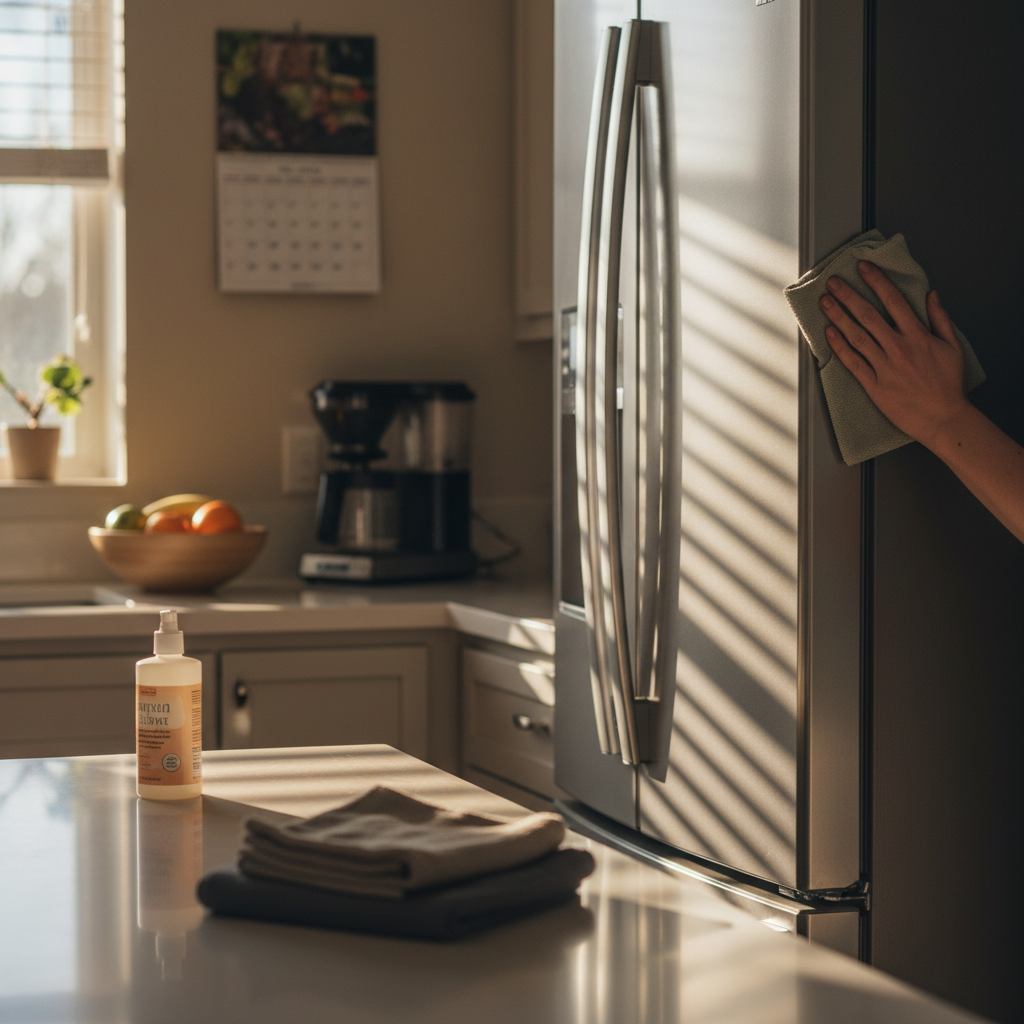
Picture this: Sunday afternoon, the aroma of a roast chicken fills your kitchen, and you’re eagerly anticipating a delicious meal. But then, the oven starts acting up. Maybe the chicken takes twice as long to cook, or perhaps you smell something burning. It’s a familiar scenario, isn’t it? As someone with years of experience keeping a home running smoothly, I’ve seen my share of oven issues. And trust me, a malfunctioning oven can throw a real wrench in your meal plans.
This guide isn’t about the technical jargon. Instead, it’s a practical look at your oven, common problems, simple fixes, and how to keep it working well for years to come. Because let’s face it, a reliable oven is a kitchen essential.
## Why Ovens Go Wrong: The Usual Suspects
Ovens, like any appliance, aren’t immune to wear and tear. Over time, things break down. Heat, grease, and general use take their toll. Here’s a rundown of why your oven might be giving you grief:
* **Heat & Time:** Electric ovens typically last 13-15 years, while gas ovens may last 15-17 years. Usage frequency and maintenance affect lifespan.
* **The Element of Heat:** Heating elements, the heart of your oven’s cooking power, eventually burn out.
* **Temperature Troubles:** Thermostats can become inaccurate, leading to uneven cooking or incorrect temperatures.
* **Door Drama:** The oven door seal (gasket) can wear out, causing heat to escape.
* **Grease and Grime:** Built-up food and grease can cause smoke, odors, and even fire hazards.
* **Electrical Issues:** Loose wiring or component failures can prevent the oven from working.
## Common Mistakes That Lead to Oven Problems
It’s easy to make mistakes that shorten your oven’s life or lead to problems. Here are some of the most common:
* **Neglecting Cleaning:** Not cleaning your oven regularly is a big no-no. Food spills and grease buildup over time, making it harder to clean.
* **Using Harsh Chemicals:** Many commercial oven cleaners contain harsh chemicals that can damage the oven’s interior and create fumes.
* **Ignoring the Self-Cleaning Feature:** If your oven has a self-cleaning function, use it! It simplifies the cleaning process, but remember it won’t replace a deep clean.
* **Overloading the Oven:** Cramming too many dishes into the oven restricts airflow and leads to uneven cooking.
* **Ignoring Warning Signs:** Don’t put off addressing strange noises, smells, or temperature issues. These are often early indicators of a problem.
## Simple Oven Care & Maintenance: Your Action Plan
Taking care of your oven doesn’t require a lot of time or effort. Here’s what you can do to keep it running smoothly:
* **Wipe Up Spills Immediately:** Clean spills as soon as they happen while the oven is still warm but not hot.
* **Regular Cleaning:** Give your oven a quick wipe-down after each use and a more thorough cleaning at least monthly.
* **Clean the Racks Separately:** Remove the racks and clean them separately. Soak them in soapy water.
* **Check the Door Seal:** Inspect the door gasket for any damage or wear. Replace it if necessary.
* **Use Oven-Safe Cookware:** Avoid using cookware that isn’t oven-safe to prevent damage.
* **Avoid Oven Liners:** Do not line the bottom of your oven with foil.
**Maintenance Schedule:**
* **Weekly:** Clean spills and crumbs.
* **Monthly:** Wipe down the interior. Test the oven’s temperature.
* **Quarterly:** Test oven temperature with a thermometer to ensure accuracy.
* **Annually:** Schedule a professional inspection.
## When to DIY vs. When to Call a Pro
Some oven issues are easy to fix. Others require professional help. Here’s a general guide:
**DIY:**
* **Cleaning:** Regular cleaning is something you can easily handle yourself.
* **Replacing the Oven Light Bulb:** This is a simple task that usually involves unscrewing the old bulb and screwing in a new one.
* **Checking the Circuit Breaker:** If your oven isn’t turning on, check the circuit breaker.
**Call a Pro:**
* **Electrical Problems:** If you suspect an electrical issue, call a qualified technician.
* **Gas Leaks:** If you smell gas, turn off the oven and call a professional immediately.
* **Heating Element Replacement:** Replacing a heating element can be tricky, so it’s often best left to a professional.
* **Thermostat Issues:** If your oven’s temperature is off, a technician can test and calibrate the thermostat.
* **Major Mechanical Problems:** If you hear strange noises, see smoke, or have any other major issues, it’s best to call for appliance repair services.
## Seasonal Oven Considerations: Summer, Monsoon, and Winter
Your oven’s needs might change with the seasons. Here’s a quick look:
* **Summer:** Avoid using your oven excessively on hot days to keep your kitchen cool.
* **Monsoon:** Ensure proper ventilation when using the oven.
* **Winter:** With the holidays in winter, it is a great time to ensure your oven is ready for baking.
**Autumn Oven Maintenance:**
* Deep clean the oven.
* Verify the accuracy of the oven’s temperature settings.
* Check all cooking functions.
## Long-Term Prevention: Habits for a Happy Oven
Beyond regular maintenance, adopting a few habits can significantly extend your oven’s life and prevent problems:
* **Avoid Slamming the Door:** Gently close the oven door to prevent damage to the hinges and seal.
* **Use the Right Cookware:** Ensure you’re using oven-safe cookware.
* **Read the Manual:** Familiarize yourself with your oven’s specific instructions and features.
* **Schedule Annual Maintenance:** A professional inspection once a year can catch minor problems before they become major issues.
## Oven FAQs: Your Burning Questions Answered
Here are some of the most common questions about oven care and maintenance:
**1. How often should I clean my oven?**
The general guideline is to clean your oven every three months. If you cook frequently, you may need to clean it more often.
**2. What can I use to clean my oven?**
For regular cleaning, use a damp cloth or sponge with mild detergent. For tougher jobs, you can use baking soda and water or a commercial oven cleaner.
**3. When should I replace my oven?**
Ovens typically last 10-15 years. If your oven is over 15 years old, consider replacing it. Look for signs like inconsistent temperature, excessive noise, or gas issues.
**4. What are some of the common oven problems?**
Common problems include uneven heating, failure to heat, door issues, and strange noises.
**5. Should I use the self-cleaning function?**
Yes, if your oven has a self-cleaning function, use it. However, don’t rely on it as a substitute for regular cleaning.
**6. What are the signs my oven needs repair?**
Uneven cooking, inconsistent temperature, failure to heat, strange noises, and unusual odors are all signs that your oven needs repair.
**7. How do I extend my oven’s lifespan?**
Clean your oven regularly, inspect and replace faulty parts promptly, avoid slamming the door, and schedule professional maintenance as needed.
**8. What are some of the oven cleaning mistakes I should avoid?**
Avoid using harsh chemicals, not letting the oven cool down, and neglecting regular cleaning.
Keeping your oven in good working order doesn’t have to be a chore. By following these simple tips and addressing problems promptly, you can keep your kitchen’s workhorse humming and enjoy years of delicious meals. For more insights on appliance care and other helpful tips, visit our [Homepage](). If you’re struggling with a clogged dishwasher, learn how to get your dishes sparkling clean with our guide: [The Curious Case of the Clogged Dishwasher: A Homeowner’s Guide to Sparkling Clean Dishes]().