
We all have them: those little things we do every day, without a second thought. They’re part of our routine, our comfort zone. But sometimes, these seemingly harmless habits can have a sneaky side, especially when it comes to the electricity we use in our homes. Today, let’s shine a light on some of those everyday electrical habits that might be costing you more than you think, both in terms of your wallet and your safety.
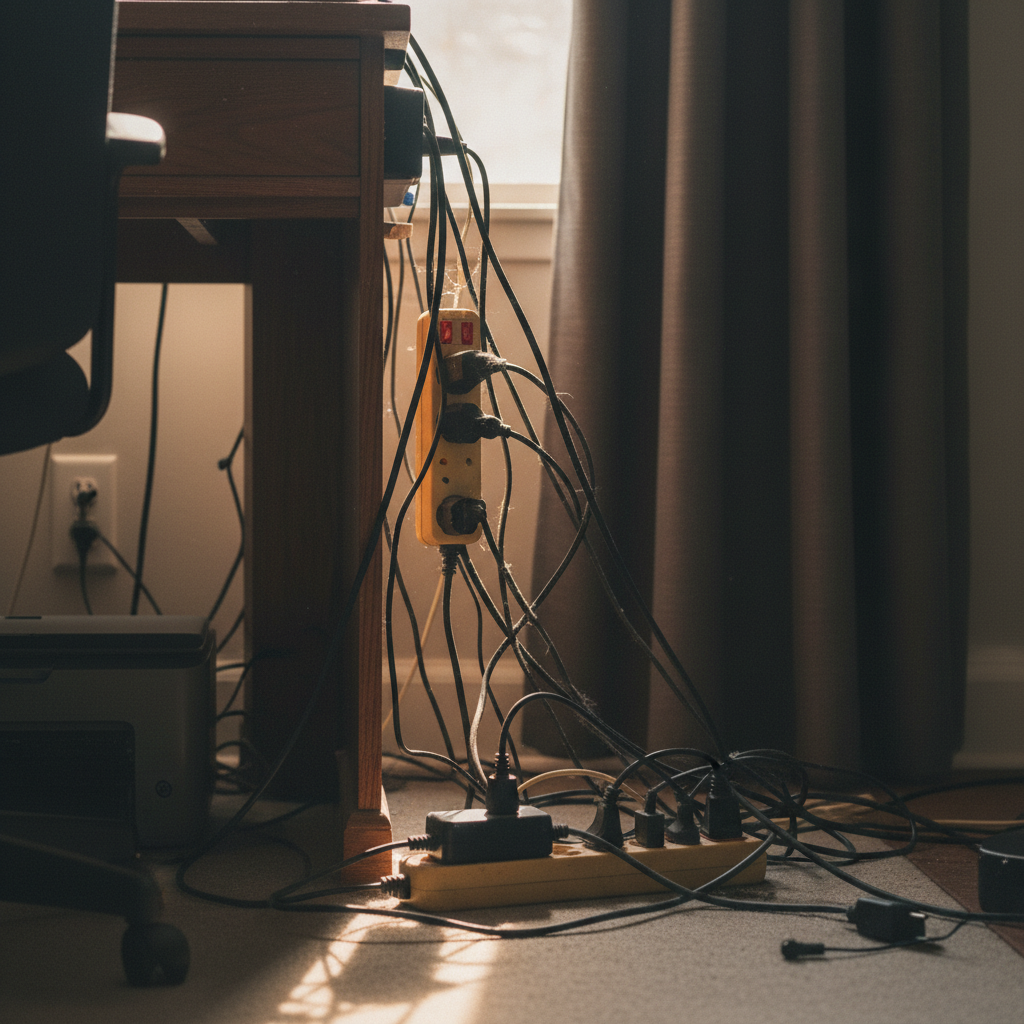
The Plug-In Parade: A Habit We Barely Notice
Think about your day. You wake up, maybe you charge your phone overnight. You use a coffee machine in the morning. Throughout the day, you might charge a laptop, watch TV, and use various appliances for cooking and cleaning. Many of these devices are plugged in all the time, even when we’re not using them. It’s a normal part of modern life. We plug things in, we unplug things when we need to, and that’s that. But this simple habit of leaving things plugged in is where our story begins.
Why We Ignore the “Phantom Load”
Why do we tend to overlook the electricity drain of plugged-in devices? Honestly, it’s because it’s so easy. Unplugging things feels like a hassle. We tell ourselves it’s just a little bit of electricity, it can’t make a difference. We don’t see the immediate impact, so it’s easy to dismiss. This is especially true of devices that don’t have a visible power button, like phone chargers and some appliances. We assume that because they’re “off,” they’re not using power. However, this is not the case. It is referred to as “phantom load” or “vampire energy”.
The Hidden Problems of Always-On Electronics
So what’s the big deal with leaving things plugged in? Well, a lot, actually.
- The Money Drain: Even when turned off, many electronics continue to draw power. It might be a small amount per device, but it adds up over time. Consider the chargers for your phone, laptop, and tablet; the TV, the microwave, and even the cable box. All these devices, when left plugged in, are slowly but steadily using electricity. Over a year, this “phantom load” can add a surprising amount to your electricity bill. The Department of Energy suggests examining your consumption at 3 AM. If it’s not significantly less than your usage at 7 PM, “you might have ‘vampire loads’”.
- Fire Hazard: Another concern is the potential for fire. Over time, electrical cords and devices can develop faults. Leaving devices plugged in increases the risk of overheating, especially if the device is old or the wiring is worn. Faulty wiring can lead to electrical fires, which spread rapidly and cause severe injuries or fatalities. According to the National Fire Protection Association, faulty or damaged wiring is a major cause of home electrical fires.
- Shortened Lifespan: Constantly drawing power, even in small amounts, can also shorten the lifespan of your electronics. The internal components are always under a slight strain, which can lead to premature failure.
Common Mistakes We Make
Let’s face it; we all make mistakes. Here are some of the most common ones when it comes to electrical habits:
- Ignoring the “Off” Switch: Many of us assume that if a device is “off,” it’s not using power. But as we’ve discussed, that’s often not true.
- Overloading Outlets: Plugging too many devices into a single outlet is a recipe for disaster. It can cause the outlet to overheat, increasing the risk of fire. Using extension cords and power strips without understanding their limitations is also a common mistake.
- Ignoring Damaged Cords: We often overlook frayed or damaged cords, thinking they’re no big deal. But damaged cords are a serious hazard and a major cause of electrical fires.
- Not Unplugging During Thunderstorms: Power surges during thunderstorms can damage or destroy electronics. Failing to unplug sensitive devices during a storm is a mistake that can be costly.
Making Simple Changes for a Safer Home
The good news is that correcting these habits is easy. Here are some simple habit changes you can start today:
- Unplug, Unplug, Unplug: Make it a habit to unplug devices when you’re not using them, especially chargers, TVs, and entertainment systems. Even better, plug multiple devices into a power strip and switch the power strip off when they’re not in use.
- Inspect Your Cords: Regularly check your cords and devices for any signs of damage. If you see fraying, cracks, or exposed wires, replace them immediately.
- Use Surge Protectors: Protect your sensitive electronics from power surges with surge protectors. This is especially important for computers, TVs, and other expensive devices.
- Be Mindful of Outlet Usage: Avoid overloading outlets. If you need more outlets, have an electrician install them.
- Smart Plugs: If you want to take it to the next level, consider using smart plugs. These plugs allow you to control devices remotely and set schedules to turn them on and off automatically.
Relevance to Modern Lifestyles
In today’s tech-driven world, we rely on electronics more than ever. Smartphones, laptops, smart TVs, and smart home devices have become essential parts of our lives. These devices, along with their chargers and accessories, consume electricity even when not in use. By adopting mindful electrical habits, we can enjoy the convenience of modern technology without the associated risks and costs. Embracing smart home technology, like smart plugs and energy monitors, can further enhance our ability to manage and reduce energy consumption.
Long-Term Benefits: Savings, Safety, and Peace of Mind
The long-term benefits of adopting these simple electrical habits are significant.
- Cost Savings: Reducing phantom load and other wasteful habits can significantly reduce your electricity bill. Over a year, the savings can be substantial, especially with rising energy costs.
- Increased Safety: By eliminating potential fire hazards and reducing the risk of electrical shock, you’re creating a safer home environment.
- Peace of Mind: Knowing that you’re taking steps to protect your home and family from electrical dangers provides invaluable peace of mind.
- Environmental Impact: Reducing energy consumption also contributes to a more sustainable lifestyle. By using less electricity, you’re reducing your carbon footprint.
Frequently Asked Questions
Let’s address some common questions:
- How much does “phantom load” really cost? It varies depending on the number of devices and your electricity rates, but it can easily add $50-$100 or more to your annual bill.
- Are smart plugs worth it? Yes, smart plugs can be a great investment. They allow you to control devices remotely and set schedules, making it easier to manage energy consumption.
- Should I unplug appliances during a thunderstorm? Absolutely. Unplugging sensitive electronics during a thunderstorm is a simple and effective way to protect them from power surges.
- How often should I inspect my electrical cords? Inspect your cords regularly, at least once a month. Look for any signs of damage and replace them immediately if needed.
- What if I see sparks coming from an outlet? If you see sparks, smell burning, or notice any other signs of electrical problems, immediately turn off the breaker and contact a qualified electrician. This is a serious safety hazard.
- Can I fix electrical problems myself? No. Electrical work should always be done by a licensed electrician. Attempting to fix electrical problems yourself can be very dangerous.
- What are some other ways to save on my electric bill? Switch to LED lighting, use natural lighting whenever possible, and be mindful of your thermostat settings. These simple changes can collectively result in significant savings. You can also consider energy-efficient appliances, though the initial cost may be higher.
- Where can I find help with my electrical wiring? If you suspect any issues with your electrical wiring, it’s best to contact a qualified and licensed electrician. They can perform inspections, identify potential hazards, and make necessary repairs to ensure the safety of your home and family.
Taking control of your electrical habits is a simple but impactful way to improve your daily life. It’s about being mindful, taking small steps, and creating a safer, more efficient home. The small changes you make today can lead to big rewards in the long run. By paying attention to the details and adopting these simple strategies, you can reduce your electricity bill and protect your home and family. Remember to stay informed and address any electrical issues promptly. It’s a small investment that can make a big difference, offering you both financial savings and peace of mind. To ensure your home is running efficiently and safely, you might find related articles such as Unclogging the Drain: A Homeowner’s Guide to Clear Pipes and a Happy Home helpful. For more information, visit .